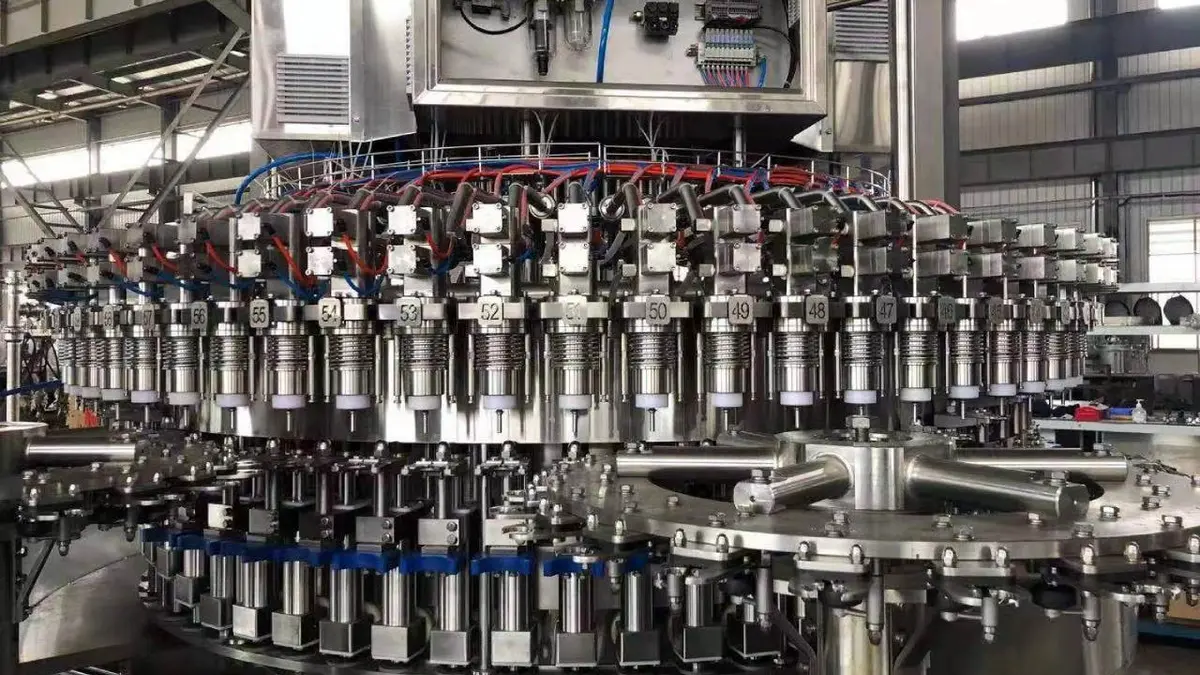
For most high-acid or properly acidified products that can tolerate heat exposure in the package, hot fill is often the simpler shelf-stable route. For low-acid products, heat-sensitive formulations, or products where ambient filling and lighter package formats matter, aseptic processing may be the better fit—but it requires much tighter control of the sterile system.
The central distinction in aseptic processing vs hot fill is not simply fill temperature. Hot fill places product into the container while hot, closes it, and then cools the package. Aseptic processing sterilizes the product and package separately, then fills and seals them in a controlled sterile environment. That difference affects the product formulation, container choice, equipment cost, sanitation program, validation burden, and operating discipline.
A quick comparison
| Factor | Hot fill | Aseptic processing |
|---|---|---|
| Basic preservation approach | Product is filled hot, sealed, then cooled | Sterile product is filled into a separately sterilized package in a sterile zone |
| Typical product fit | High-acid and acidified foods and beverages that tolerate thermal exposure | Products needing extended ambient shelf life, including many low-acid or heat-sensitive products |
| Package requirement | Must withstand filling heat, sealing conditions, and cooling | Must be compatible with package sterilization and maintain a reliable hermetic seal |
| Filling environment | Hygienic filling environment, with process control centered on thermal treatment and package handling | Controlled aseptic environment with sterile barriers and closely managed air, surfaces, utilities, and package transfer |
| Product quality tradeoff | More thermal load can affect delicate flavors, color, or texture | Can reduce post-process heat exposure, but product still receives a validated sterilizing heat treatment |
| Equipment complexity | Usually lower than a full aseptic system | Higher, with sterile product handling, package sterilization, and aseptic filling controls |
| Operational burden | Important thermal, closure, cooling, and sanitation controls | Extensive validation, documentation, training, maintenance, and change control requirements |
How the hot fill process works
A hot fill process heats the product, fills it while it remains hot, applies the closure, and then cools the container. Depending on the package and process design, the filled container may be held or inverted so the hot product contacts selected internal package surfaces and the closure area.
The process is widely associated with fruit beverages, juices, sauces, jams, purees, and similar products where acidity and formulation support this preservation method. It is also common for products that need a shelf-stable distribution model but do not justify the capital and operating complexity of an aseptic line.
The actual heating profile, hold conditions, fill temperature, closure handling, cooling profile, and shelf-life target must be established for the individual product and package. For acidified foods, processors should work from an appropriately developed and scheduled process and verify applicable regulatory obligations. A general hot-fill recipe should not be transferred from one product to another without technical review.
What hot fill packaging must handle
Hot fill packaging must tolerate several stresses at once:
- The package must resist deformation during filling and cooling.
- The closure and sealing system must remain reliable at elevated product temperatures.
- The container must protect the product from oxygen, light, moisture, or other external factors where those barriers matter.
- The label, adhesive, sleeve, ink, and secondary packaging must remain compatible with the cooling and handling sequence.
- The package geometry must support stable filling, capping, cooling, conveying, and case packing.
Glass and certain heat-resistant plastic containers are common hot-fill options. Standard lightweight containers may not be suitable, particularly where heat causes paneling, distortion, poor thread finish performance, or closure leakage. Package suppliers should confirm intended hot-fill use rather than relying on resin family alone.
How the aseptic filling process works
In an aseptic filling process, the product is thermally treated to achieve commercial sterility, then transferred through a closed sterile path to the filler. Packaging material or containers are sterilized separately. The sterile product enters the sterile package, the package is hermetically sealed, and the finished product is discharged without the product needing to be hot-filled into the container.
Aseptic processing is often associated with ultra-high-temperature treatment, but the exact process design depends on the product, particle characteristics, viscosity, heat-transfer behavior, package format, and required commercial shelf life. It is not simply a conventional filler with a higher sanitation standard. The entire sterile chain matters.
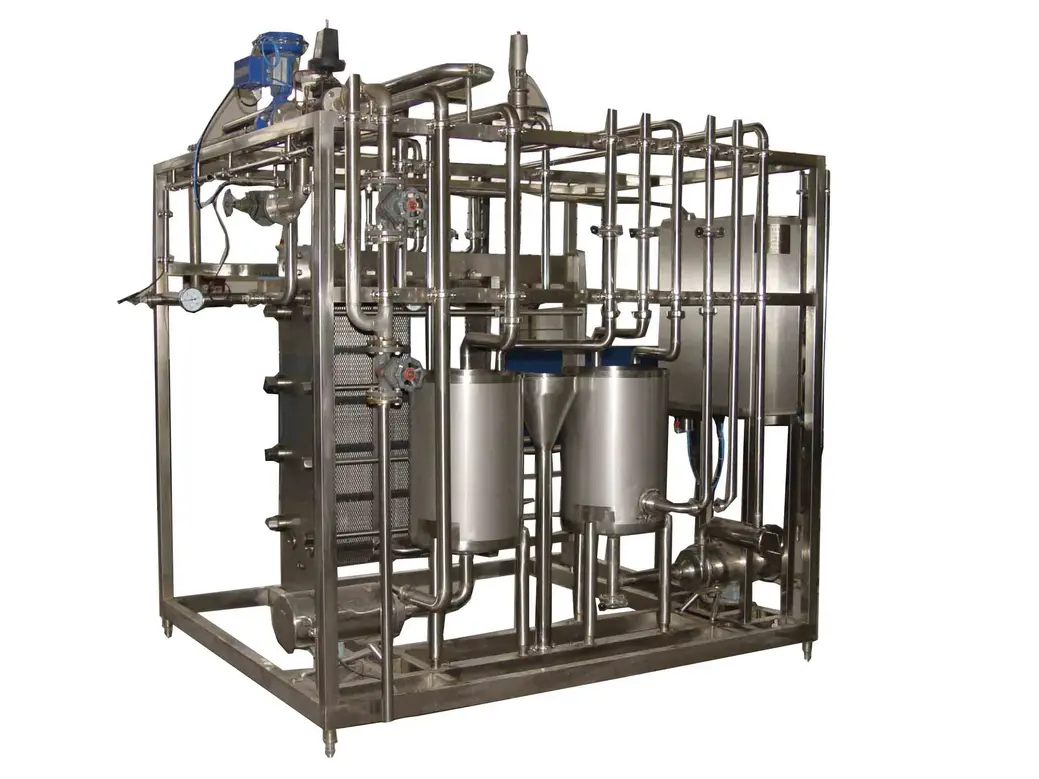
Source: lomfiller
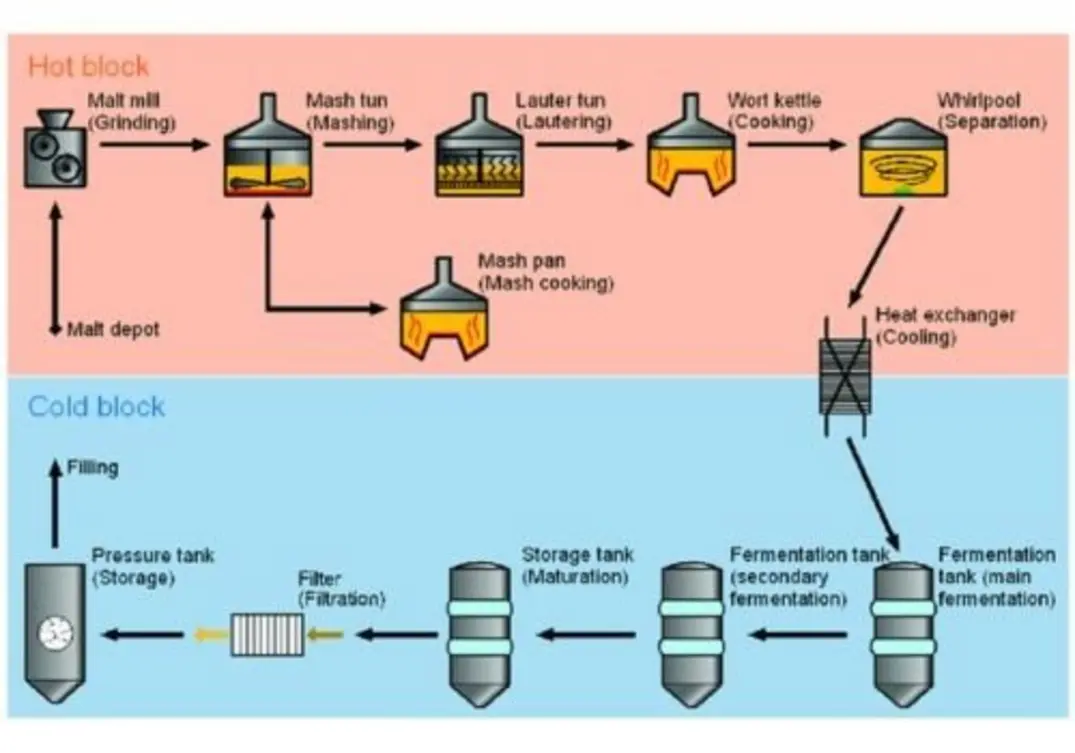
An aseptic line commonly includes:
- Product preparation and batching equipment
- Thermal processing equipment, often with regeneration and controlled holding sections
- Sterile surge or balance capacity where required by the line design
- Sterile piping, valves, instruments, and transfer systems
- A package sterilization system
- An aseptic filler with protected filling and sealing areas
- Sterile air or other validated environmental-control systems
- Downstream inspection, coding, packing, and traceability equipment
The package may be a preformed bottle, carton, pouch, cup, or another format designed for aseptic handling. Material selection is not just a question of shelf appearance or barrier performance. It also depends on how the package is sterilized, how it moves through the filler, seal integrity, compatibility with the product, and the package supplier’s validated operating window.
Why aseptic lines demand more validation and discipline
The largest practical difference between aseptic processing and hot fill is the consequence of losing sterile control. In hot fill, the product’s heat and the filled-package sequence are integral to the preservation approach. In aseptic filling, product sterility must be maintained after thermal treatment until final sealing.
That means aseptic systems require a robust approach to:
- Equipment commissioning and acceptance testing
- Sterilization of product-contact circuits and filling components
- Sterile boundary definition and monitoring
- Package sterilization verification
- Instrument calibration and critical-control documentation
- Sterile air, utility, and environmental controls where relevant
- Process interruptions, restarts, and extended downtime procedures
- Product, package, ingredient, and equipment change management
Aseptic validation is not a one-time installation task. Formula changes, viscosity changes, a different closure, altered package material, line modifications, or a revised cleaning procedure can all require review. Quality assurance, process engineering, operations, maintenance, and product development should be involved before equipment is specified—not after the line is installed.
Product characteristics that drive the decision
Acidity and preservation route
Product acidity is one of the first selection questions. Hot fill is commonly used for high-acid and acidified products, while many low-acid products require a different validated preservation approach. However, acidity alone does not select the line.
A manufacturer must also consider water activity, ingredients, particulates, viscosity, oxygen sensitivity, intended shelf life, storage conditions, and the likely effects of formulation variation. The applicable food-safety requirements should be confirmed with a qualified process authority and the relevant regulatory agencies.
Heat sensitivity
Both systems use thermal processing, but they expose the product to heat differently. Hot fill can impose additional thermal exposure after the product reaches the container. That may be acceptable for sauces and fruit preparations but can be less attractive for products with delicate flavor notes, unstable colors, fragile emulsions, or sensitive nutritional targets.
Aseptic systems can be advantageous when the goal is to minimize the total quality impact associated with package-stage heat exposure. This does not eliminate the need to validate the product’s required thermal treatment.
Viscosity and particulates
Thicker products and products containing pieces, fibers, seeds, or particulates need particular attention. They can change heat-transfer performance, pumping behavior, filling accuracy, and cleanability. A product that runs well through a conventional hot-fill filler may not necessarily be suitable for a given aseptic processing system.
Ask equipment suppliers and process specialists to evaluate the actual product, including worst-case viscosity, particle size distribution, batch variation, and start-up or shutdown conditions. Pilot work may be needed before committing to a process route.
Packaging and line-selection constraints
Choose hot fill when these conditions apply
Hot fill is often the practical choice when:
- The product is compatible with a validated hot-fill-hold process.
- The formula and sensory profile can tolerate the thermal load.
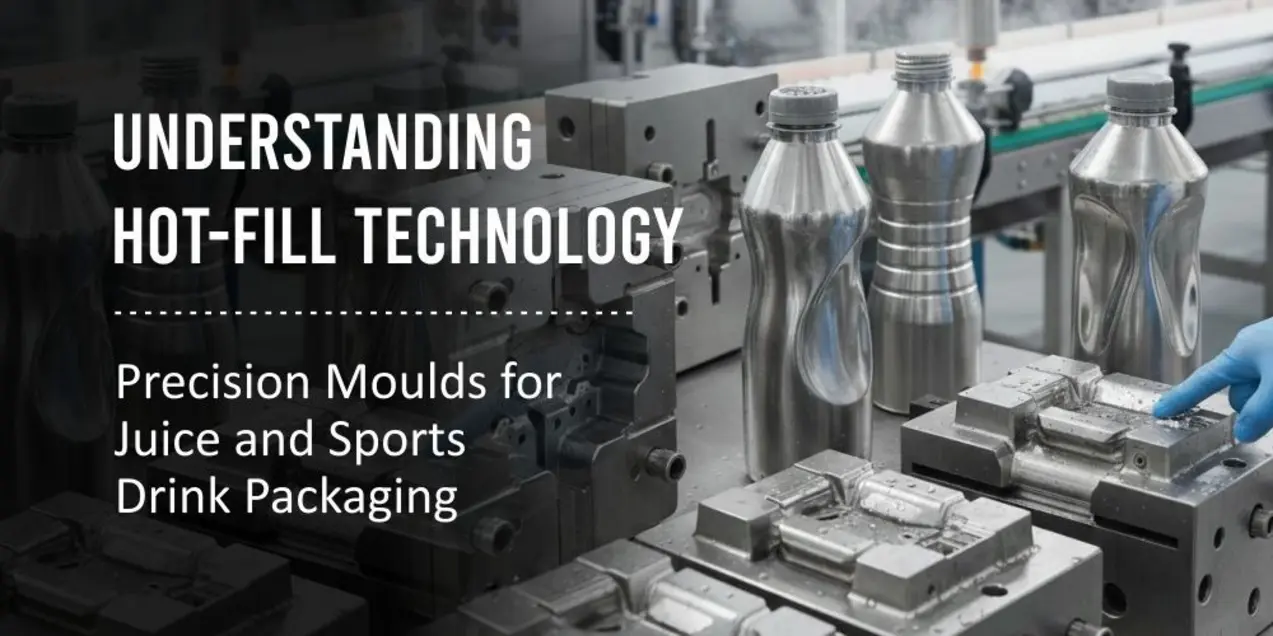
- A heat-resistant bottle, jar, or other suitable container is acceptable.
- The production team wants a comparatively straightforward shelf-stable operation.
- Capital availability, floor space, and technical support do not support a full aseptic installation.
- The product portfolio is centered on acidic beverages, sauces, fruit products, or similar formulations.
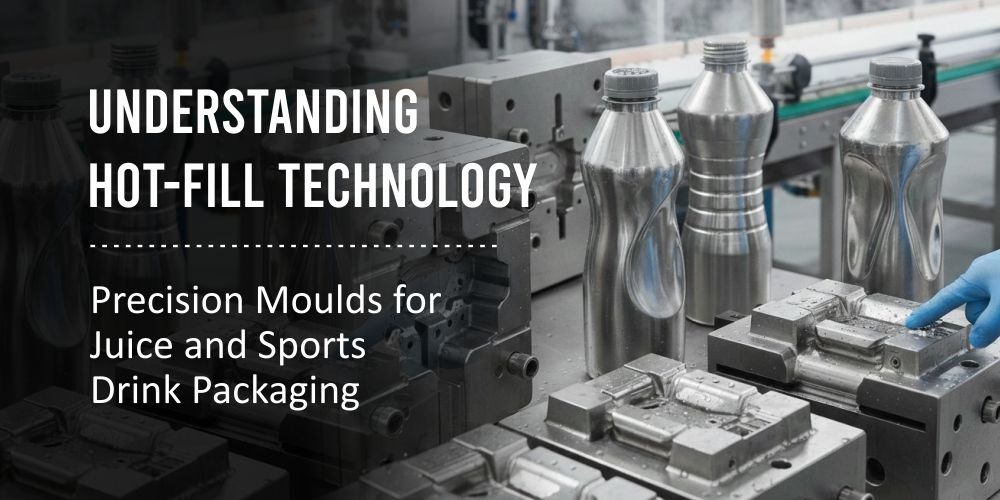
Source: awantipolymoulds
Choose aseptic processing when these conditions apply
Aseptic processing is more likely to fit when:
- The product requires a sterile low-acid preservation route.
- The business needs ambient distribution without relying on hot-filled package handling.
- Product quality benefits from reduced thermal exposure after treatment.
- The intended package format is designed for aseptic filling rather than hot-fill heat resistance.
- The company can support higher capital cost, specialized maintenance, validation work, and a mature quality system.
- The line will run enough volume or product value to justify the additional complexity.
Cleaning, changeovers, and maintenance
Both systems require hygienic design and disciplined cleaning. Aseptic equipment adds the need to establish and preserve sterility after cleaning and sterilization. Dead legs, valve design, gaskets, seals, instruments, filler components, and product-contact surfaces need careful attention because they can affect cleanability and sterile integrity.
When comparing equipment proposals, ask more than whether the filler meets a target speed. Request a clear description of:
- Cleaning-in-place and sterilization procedures
- Required utilities and utility quality
- Changeover steps and expected intervention points
- Product recovery and startup losses
- Sterile hold and shutdown limits
- Spare-parts strategy for valves, seals, and filling components
- Operator access for inspection and maintenance
- Data collection, alarms, batch records, and traceability
- Service availability and technical response expectations
A low purchase price can become expensive if the system is difficult to clean, requires long restarts, has limited local support, or cannot accommodate planned package changes.
A practical decision checklist
Before selecting hot fill or aseptic packaging equipment, document the answers to these questions:
- What preservation route is appropriate for the product formulation?
- What shelf life and distribution conditions are required?
- How does the product respond to the necessary heat treatment?
- Does the product contain particulates, high viscosity, foam, pulp, or unstable emulsions?
- Which package formats are commercially necessary, and can they tolerate hot fill or aseptic sterilization?
- What level of validation, quality staffing, training, and documentation can the facility sustain?
- What are the expected batch sizes, line speeds, changeover frequency, and production days?
- Does the plant have adequate space, utilities, drainage, air handling, and maintenance access?
- What happens during a line stop, package jam, utility interruption, or extended shutdown?
- Has a qualified process authority reviewed the product and intended process?
The bottom line
Hot fill is generally the more direct option for compatible acidic or acidified shelf-stable products and heat-resistant packaging. It can provide a practical route for sauces, fruit products, and many beverages when the validated process and package are well matched.
Aseptic processing offers greater flexibility for products and packages that benefit from sterile ambient filling, but it is a system-wide commitment rather than a filler upgrade. The decision should be based on product safety requirements, quality goals, package compatibility, operating capability, and the organization’s ability to validate and maintain the process over its full lifecycle.
References
- Hot Fill vs Cold Fill vs Aseptic Filling: Key Differences - Victorystar. (n.d.). https://shvictorystar.com/blog/aseptic-cold-filling-vs-hot-filling
- Hot Fill vs Aseptic: Choosing the Right Food Packaging Method. (n.d.). https://blog.icpg.co/hot-fill-vs-aseptic-packaging-best-fit-food-product?hs_amp=true
- 9 critical considerations for aseptic food processing | CRB. (n.d.). https://www.crbgroup.com/insights/aseptic-food-processing
- Hot Fill vs Aseptic: Choosing the Right Food Packaging Method. (n.d.). https://blog.icpg.co/hot-fill-vs-aseptic-packaging-best-fit-food-product
- Hot Fill vs Cold Fill Juice: Process, pH & Shelf Life (2026) - Masstech. (n.d.). https://masstechx.com/blog/hot-fill-vs-cold-fill-juice
- Producing Shelf-Stable Acidified Foods Using Hot-Fill-Hold | CAES Field Report. (n.d.). https://fieldreport.caes.uga.edu/publications/C1328-02/producing-shelf-stable-acidified-foods-using-hot-fill-hold
- Aseptic filling & processing of biologics – Single Use Support. (n.d.). https://www.susupport.com/blogs/manufacturing-processes/aseptic-filling-processing-of-biologics
- Aseptic processing - Wikipedia. (n.d.). https://en.wikipedia.org/wiki/Aseptic_processing