A successful beverage co-packer scale-up starts before ingredients arrive at the plant. The co-packer needs more than a bench recipe: it needs a controlled manufacturing package that explains what the product is, how it must be made, which equipment it can run on, how it will be packaged, and which results determine whether the run is acceptable.
The practical objective is not to reproduce a small kitchen batch exactly. It is to create a repeatable commercial process that delivers the intended sensory profile, physical stability, fill performance, and safety and regulatory controls on the co-packer’s actual equipment. A formula that tastes right in a small blender can still fail in a large mix tank, through a thermal process, at a carbonator, or on a high-speed filler.
Start with a production-ready formula basis
A commercialization formula should be expressed in a format that can be scaled, checked, and revised without ambiguity. Avoid directions such as “add sweetener to taste” or “blend until smooth.” Those may be useful during development, but they do not provide enough control for commercial production.
Give the co-packer a master formula with:
- Ingredient names, supplier names where required, and internal ingredient codes if used
- Formula percentages or a defined batch basis
- Target finished-batch volume or mass
- Ingredient addition quantities, including processing aids where applicable
- Ingredient order of addition
- Required ingredient form, such as liquid, powder, concentrate, puree, extract, or syrup
- Allowable substitutions and ingredients that cannot be substituted without written approval
- Expected yield and any known losses from filtration, transfers, foaming, or retained product
The formula should distinguish between the amount added to the batch and the finished-product target. This matters where a product may lose volume during processing, where carbonation changes final package volume, or where solids are removed by filtration.
Also identify the formula version clearly. A co-packer should not be deciding whether it has received version 1.3 or version 1.4 after materials are ordered. Control the document date, version number, and approval status.
Build ingredient specifications, not just an ingredient list
Commercial beverage equipment compatibility is often determined by ingredient behavior rather than by the ingredient name itself. “Citrus flavor,” “protein,” or “fruit puree” does not describe the processing risk well enough.
For each significant ingredient, provide the applicable specification and certificate requirements. The detail needed will vary, but useful information can include:
- Supplier and approved source
- Ingredient identity and declaration information
- Physical form and storage requirements
- Typical solids, acidity, color, flavor strength, or other functional attributes relevant to the formula
- Particle size, pulp level, fiber content, or sediment potential
- Allergen status and cross-contact information
- Required lot documentation and shelf-life expectations
- Handling requirements, including whether the ingredient must be pre-dispersed, screened, thawed, or protected from light
This is especially important for ingredients that can vary from lot to lot, such as juices, botanical extracts, dairy or plant proteins, hydrocolloids, emulsions, and fruit preparations. A formula may be commercially sound only if it uses a defined grade of an ingredient from an approved source.
Ingredient supply should be checked early. A component available in small development quantities may not be available at the co-packer’s purchase volume, lead time, or required documentation level. Any alternate source should be evaluated as a formula change, not treated as a routine purchasing decision.
Convert the recipe into a process specification
The formula tells the plant what goes into the beverage. The process specification tells the plant what happens to it.
A useful beverage process specification follows the material from receiving through finished-goods release. It identifies each major operation, the equipment involved, the required sequence, and the controls that affect the product.
Typical steps may include:
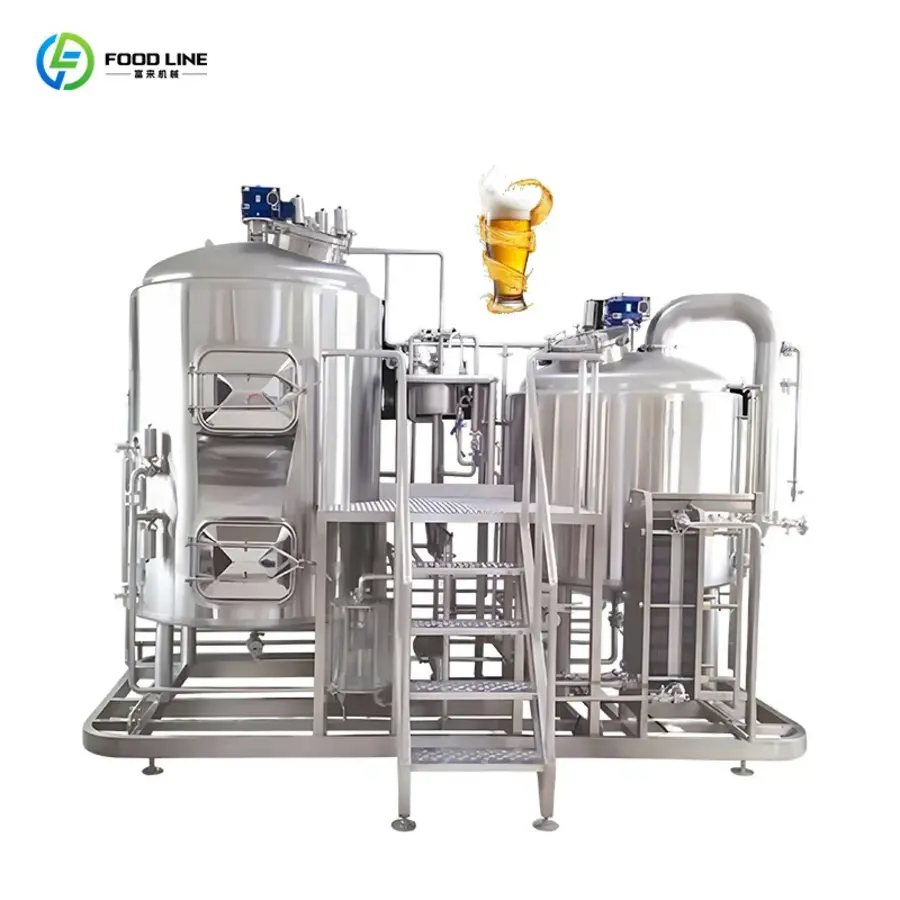
- Water preparation and batching. State the required water quality assumptions, batch order, mixing approach, and whether ingredients are added into a vortex, pre-slurried, or introduced through a powder-induction system.
- Hydration, dissolution, or blending. Identify ingredients that need time or shear to disperse. Some gums, proteins, mineral systems, and powdered flavors can form lumps or foam if added incorrectly.
- Homogenization, filtration, or deaeration. Specify whether these steps are required, optional, or prohibited. A product with an emulsion or suspended material may require a defined mechanical treatment to remain uniform.
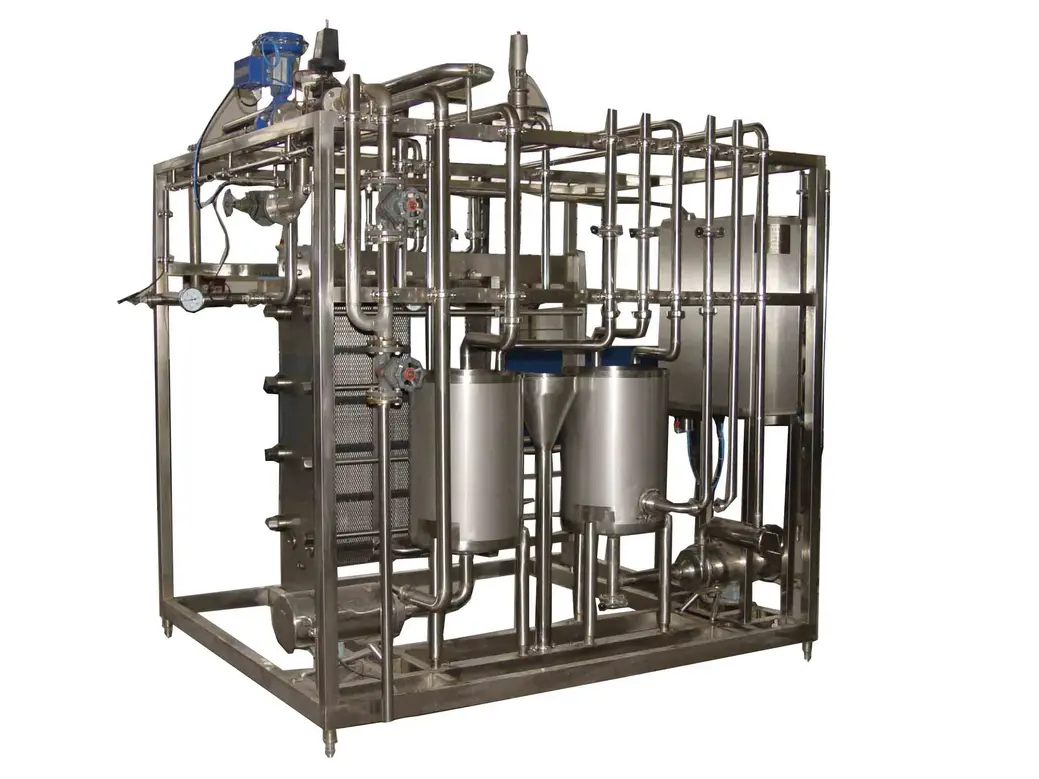
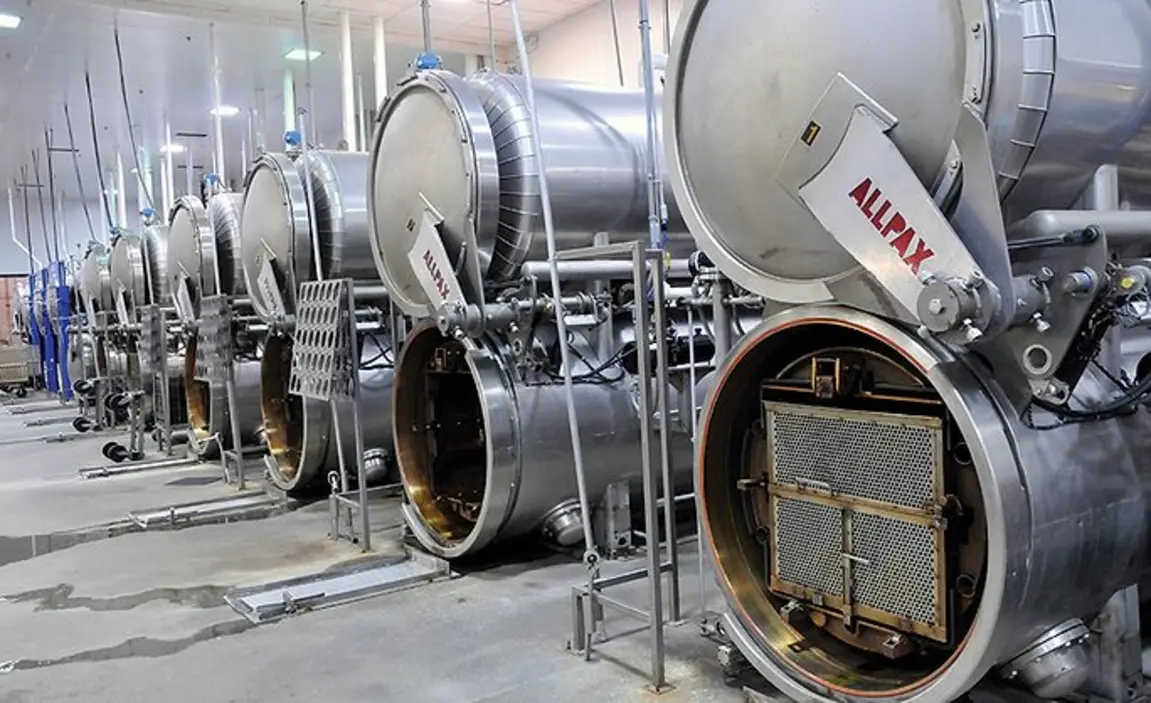
- Thermal processing or other preservation step. Identify the intended process category and provide the relevant product and package information to the qualified process authority or other appropriate technical resource. Do not assume that a bench method transfers directly to a commercial heat exchanger, hold tube, retort, tunnel, or aseptic system.
- Cooling, carbonation, or final adjustment. Define when acid, flavor, sweetener, or carbonation is added if that timing affects flavor, stability, or equipment operation.
- Filling and closure. State package type, target fill condition, closure requirements, coding, label application, and secondary packaging configuration.
For safety-sensitive products, the commercial process must be verified for the actual formula, package, equipment, and operating method. This can include review of product acidity, water activity where relevant, thermal treatment, container closure, and storage conditions. The applicable requirements depend on the product and market. Brands should work with the co-packer, a qualified process authority where needed, and appropriate regulatory resources rather than relying on a generalized process description.
Define critical quality attributes before the trial
A production trial is hard to judge if the only instruction is “make it taste like the sample.” Establish measurable and observable acceptance criteria before scheduling the run.
Critical quality attributes commonly include:
| Area | Examples of what to define |
|---|---|
| Sensory | Flavor balance, aroma, color, sweetness perception, mouthfeel, aftertaste |
| Physical stability | Sediment, separation, ring formation, haze, foaming, particle distribution |
| Product composition | Target soluble solids, acidity, pH where applicable, density, viscosity, carbonation where applicable |
| Package performance | Fill appearance, closure or seam performance, label adhesion, coding legibility, package damage |
| Finished presentation | Headspace appearance, clarity or expected cloudiness, uniformity between packages |
Use targets, acceptable ranges, test methods, and sample timing where these have been established. If a target has not been validated, label it as developmental rather than presenting it as a finished specification.
The co-packer should also know which attributes are release-critical and which are optimization goals. For example, a slight color difference may be acceptable during development, while package integrity, process compliance, or a defined pH control may require formal disposition procedures. The exact controls should be established by qualified technical personnel for the product.
Check equipment fit before committing to a production date
The right co-packer is not simply one with a filler that accepts your package. Equipment fit must cover the full process.
Ask about the actual production path:
- Can the mixing system disperse your powders, emulsions, pulps, or functional ingredients?
- Is the available shear level appropriate for the product, or could it damage texture or create excess foam?
- Can the product pass through pumps, filters, heat exchangers, valves, and filler bowls without plugging, separating, or losing intended texture?
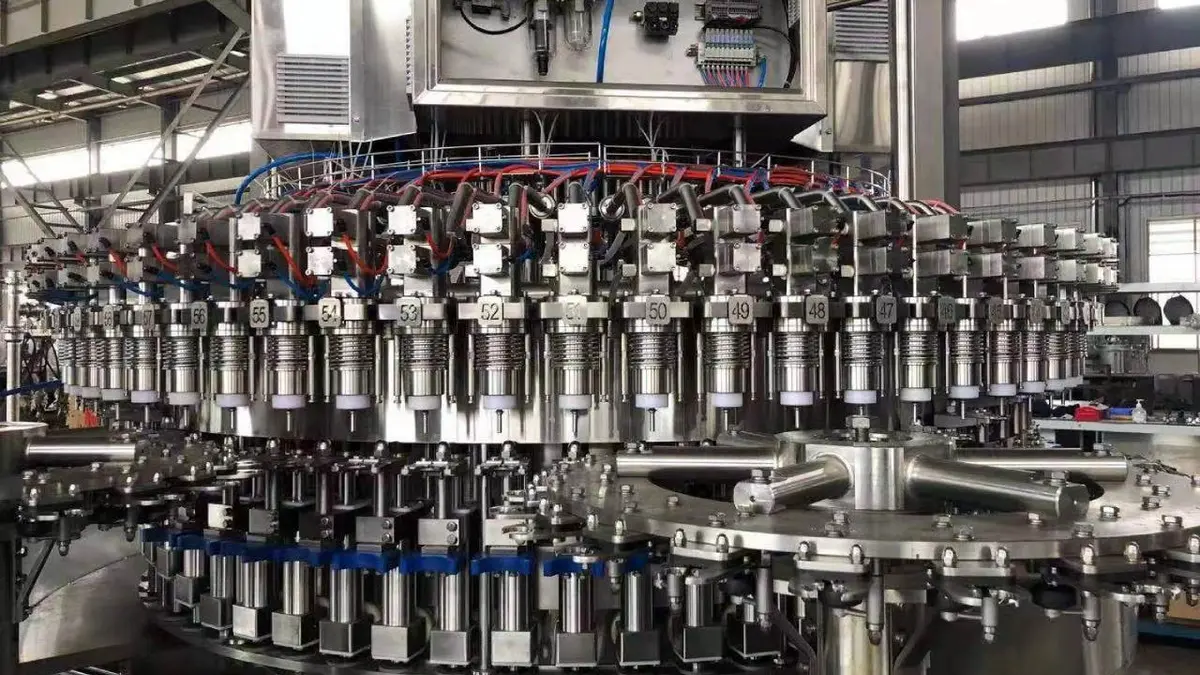
- Does the facility have the necessary homogenization, carbonation, deaeration, thermal processing, or aseptic capability?
- Is the filling line designed for the package material, size, closure, label, and case configuration?
- Are minimum run sizes, line speeds, and changeover requirements practical for the product’s launch plan?
A beverage containing fibers or particulates may be compatible with one filler but not another. A highly foaming product may slow filling. A thick beverage may require different pumping and heat-transfer considerations than a clear, low-viscosity drink. Products with sensitive flavors or unstable emulsions may also change during holding, recirculation, or thermal exposure.
Request a discussion with the people responsible for operations and quality, not only commercial sales. The useful outcome is a written list of equipment limitations, expected adjustments, material requirements, and trial risks.
Prepare the package as part of the process
Package selection affects both line performance and product preservation. Supply current specifications for the container, closure, label, shrink sleeve if used, carton, tray, and pallet pattern.
Confirm practical details such as container dimensions, closure type, label stock, artwork status, code location, case count, and the intended storage and distribution environment. The co-packer should verify that the package can run on its depalletizing, rinsing or air-rinsing, filling, capping or seaming, labeling, coding, case-packing, and palletizing equipment.
Do not treat package sourcing as separate from formula commercialization. A change in bottle, can, closure, liner, label adhesive, or carton can affect line efficiency, appearance, and product protection. For products requiring a scheduled process or other formal process review, package changes may require technical reassessment.
Plan the co-packer production trial as a learning run
A trial should answer defined questions. It is not merely a small commercial order.
Before the trial, agree on:
- Trial objective and success criteria
- Formula and process version to be used
- Materials, quantities, ownership, delivery dates, and receiving requirements
- Required technical documentation and approvals
- Sampling plan during batching, processing, filling, and finished-goods inspection
- Who can authorize an in-process adjustment
- Which changes require written approval before implementation
- Product disposition if results fall outside the agreed development targets
- Retained-sample, stability, and follow-up testing plan
During the run, record actual blend notes rather than relying on memory. Useful observations include ingredient addition behavior, mixing time needed for uniformity, foam control, transfer losses, filter performance, hold time, product temperature at key stages, filler behavior, package rejects, yields, and sensory changes from beginning to end of the run.
A small pilot or validation run can reduce the risk of committing large volumes to an unproven process. It also gives both parties data to determine whether the formula, process, package, or production scale needs adjustment before routine manufacturing.
Review results and issue a controlled next version
The trial is complete only after results are reviewed against the agreed criteria. Compare batch records, in-process observations, finished-product testing, retained samples, package inspection, and any stability work that is still underway.
Separate findings into three groups:
- Process corrections: changes needed to make the existing formula run consistently, such as revised addition order or mixing method.
- Formula corrections: changes to ingredients or ratios needed to restore flavor, stability, appearance, or manufacturability.
- Package corrections: changes needed to improve filling, closure, labeling, handling, or finished presentation.
Document every approved change in the next formula and process version. An informal note from a trial can easily become an undocumented plant practice, creating variation on later runs.
A practical pre-trial checklist
Before authorizing commercial production, confirm that the co-packer has the current approved versions of:
- Master formula and ingredient specifications
- Process flow and process specification
- Product quality targets and test methods
- Safety, regulatory, allergen, and labeling documentation applicable to the product
- Package and artwork specifications
- Supplier approvals and ingredient documentation requirements
- Trial protocol, sampling plan, and change-approval process
- Finished-product storage, distribution, and shelf-life validation plan
The central discipline in beverage formulation commercialization is clarity. When the formula, materials, process, quality expectations, and package requirements are documented together, the co-packer can assess whether its line is suitable and plan a meaningful trial. When those elements remain scattered across kitchen notes, supplier emails, and packaging files, scale-up problems are more likely to appear during the most expensive part of development: the commercial run.
References
- Finding the Right Beverage Co-Packer: Your Guide to Scaling Production - Ekos. (n.d.). https://www.goekos.com/blog/finding-the-right-beverage-co-packer-your-guide-to-scaling-production
- Beverage Formulation to Co-Packing - United Food Labs. (n.d.). https://unitedfoodlabs.com/2025/07/24/beverage-formulation-to-co-packing
- THC Beverage Co-Packer | Commercial Production and Scale. (n.d.). https://www.nextlevelleaf.com/blog/thc-beverage-manufacturing/thc-beverage-co-packer
- Considerations for working with a food and beverage co-packer. (n.d.). https://www.supplysidesj.com/packaging/considerations-for-working-with-a-food-and-beverage-co-packer
- How to Scale Food Product to Co-Packer, Step by Step – Co-Packing Express. (n.d.). https://copackingexpress.com/how-to-scale-food-product-to-co-packer
- Beverage Bottling | Small Batch Beverage Co-Packer. (n.d.). https://www.bevsource.com/services/beverage-validation/small-scale-pilot-beverage-production-solutions
- Beverage Bottling | Small Batch Beverage Co-Packer. (n.d.). http://bevsource.com/services/beverage-validation/small-scale-pilot-beverage-production-solutions
- Beverage Bottling | Small Batch Beverage Co-Packer. (n.d.). http://www.bevsource.com/services/beverage-validation/small-scale-pilot-beverage-production-solutions