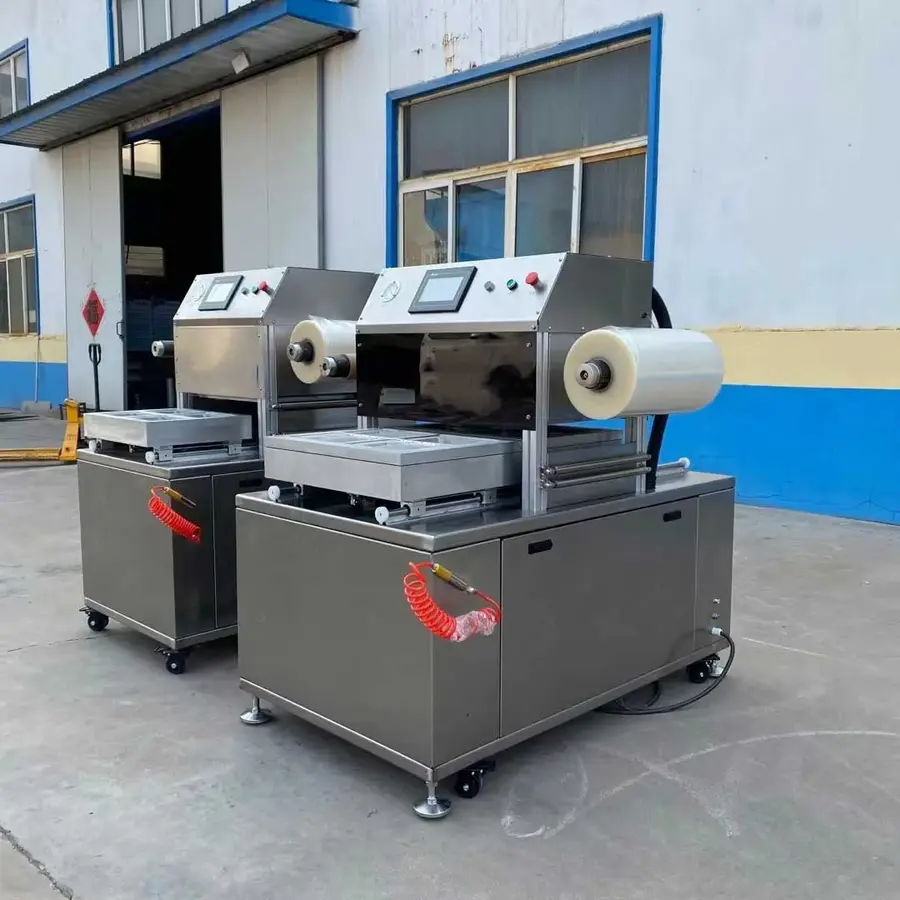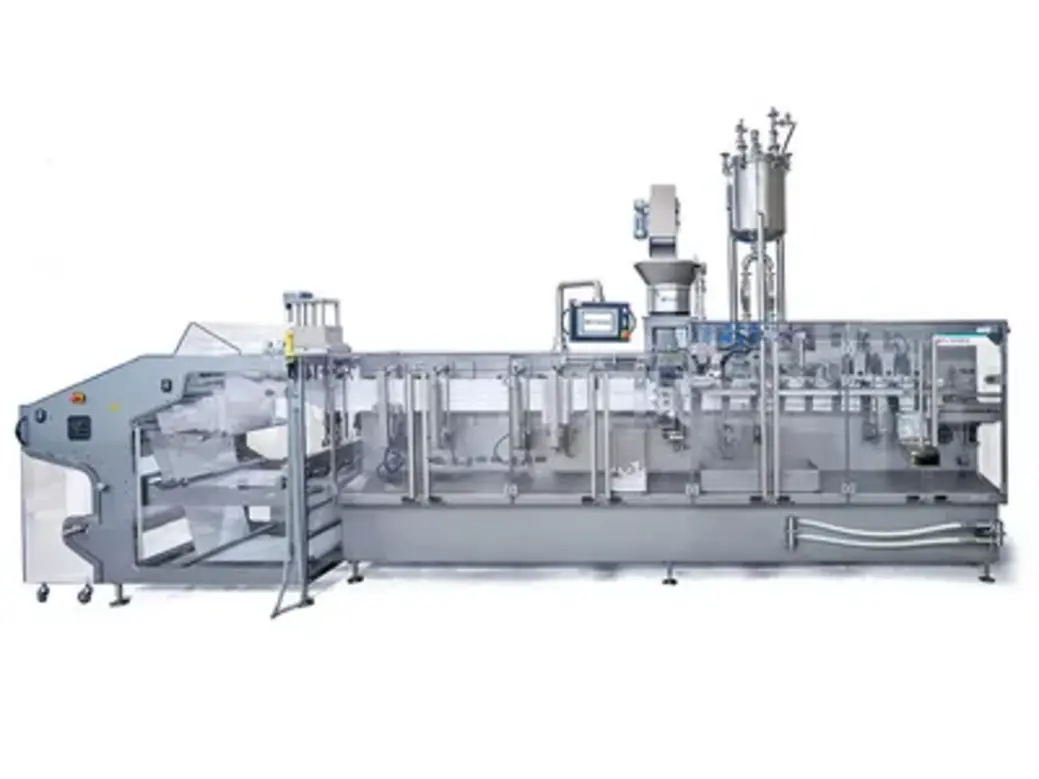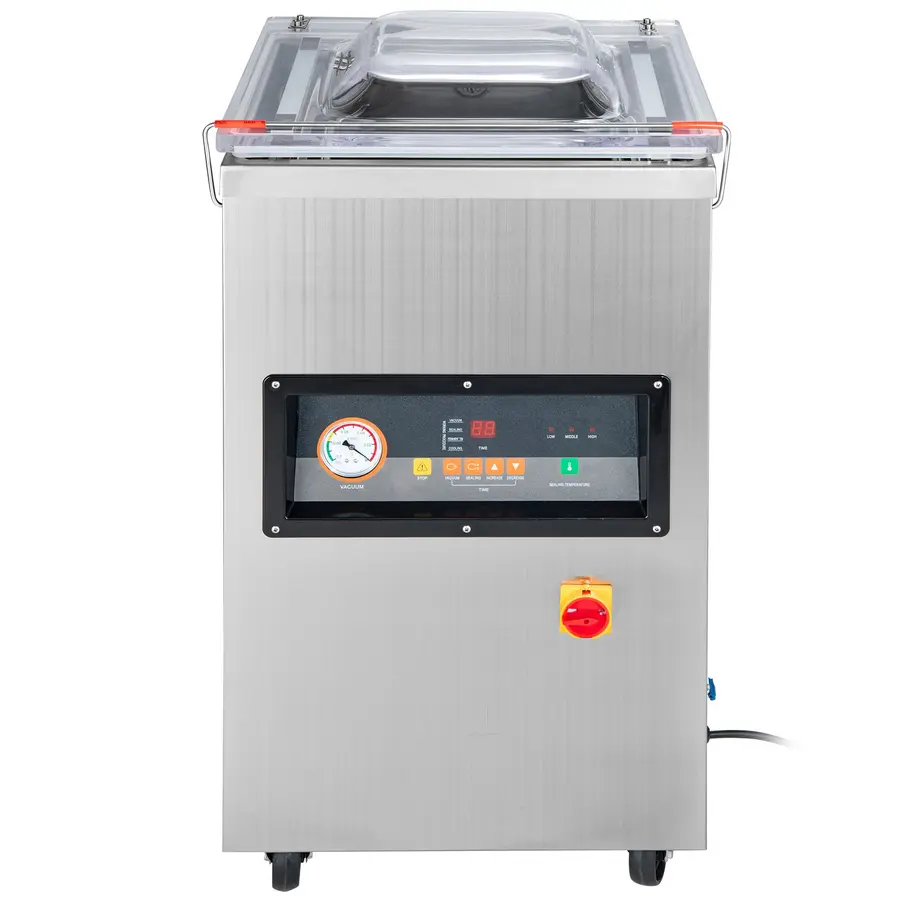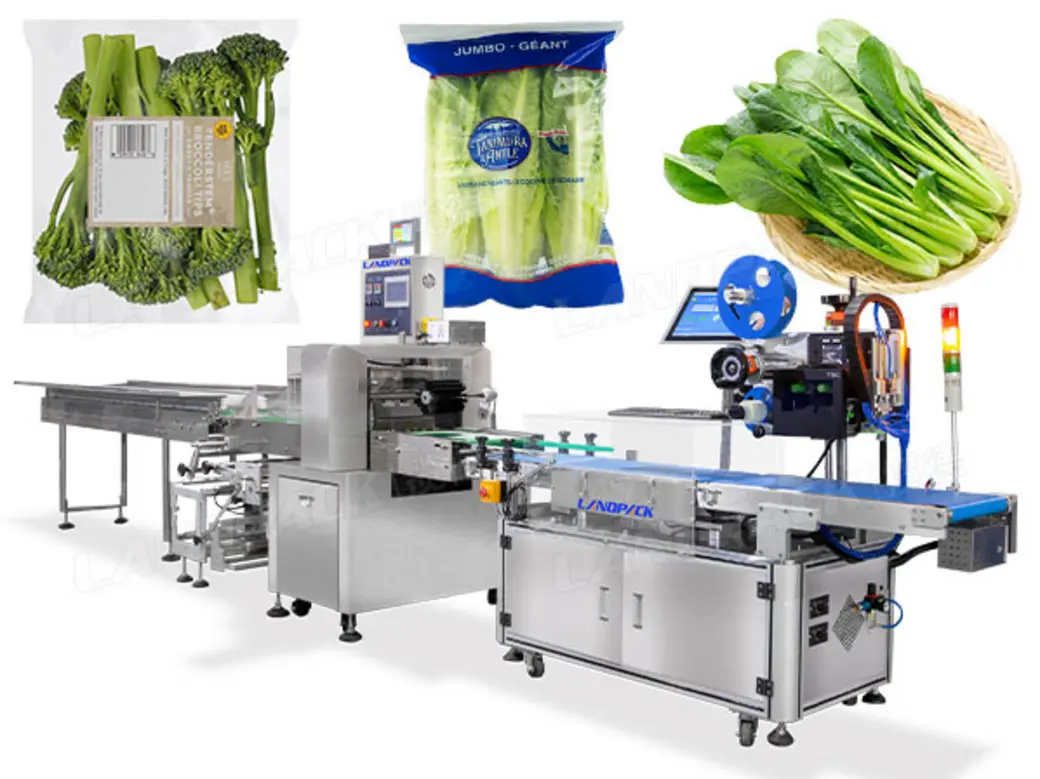
Individual wrapping can extend cucumber shelf life because it slows moisture loss, which is often the first visible quality problem in cucumbers. The packaging decision is not simply “plastic or no plastic.” It is a balance among moisture retention, product appearance, seal reliability, condensation risk, distribution conditions, material use, and the amount of produce likely to be lost before sale.
For cucumber flow wrapping shelf life, the practical objective is to apply the least material that consistently protects the cucumber through the real supply chain. That requires matching film properties and thickness to the cucumber, then running the flow wrapper with stable seals and gentle product handling. A thinner film that tears or leaks is not a reduction success; neither is a perfectly sealed package that creates unacceptable quality during storage.
Why wrapping changes cucumber quality
Cucumbers have a high water content and can lose firmness, gloss, and saleable appearance relatively quickly when exposed to dry air and handling. A close-fitting film sleeve or flow wrap creates a barrier that reduces water-vapor transfer from the product to its surroundings. It can also limit surface scuffing and soil pickup during packing, distribution, and retail handling.
Published storage research has found that individually shrink-wrapped cucumbers retained quality longer than unwrapped fruit under the study conditions. Commercial outcomes will vary substantially with cultivar, harvest maturity, temperature history, relative humidity, handling, retail display, and packaging specification. Packers should use research as a reason to test—not as a substitute for validating their own supply chain.
Wrapping also changes the atmosphere and humidity immediately around the cucumber. That can be helpful, but it means the pack must be designed rather than selected solely by gauge or unit price. Film permeability, pack tightness, condensation behavior, and seal quality all affect the result.
The cucumber flow-wrapping process
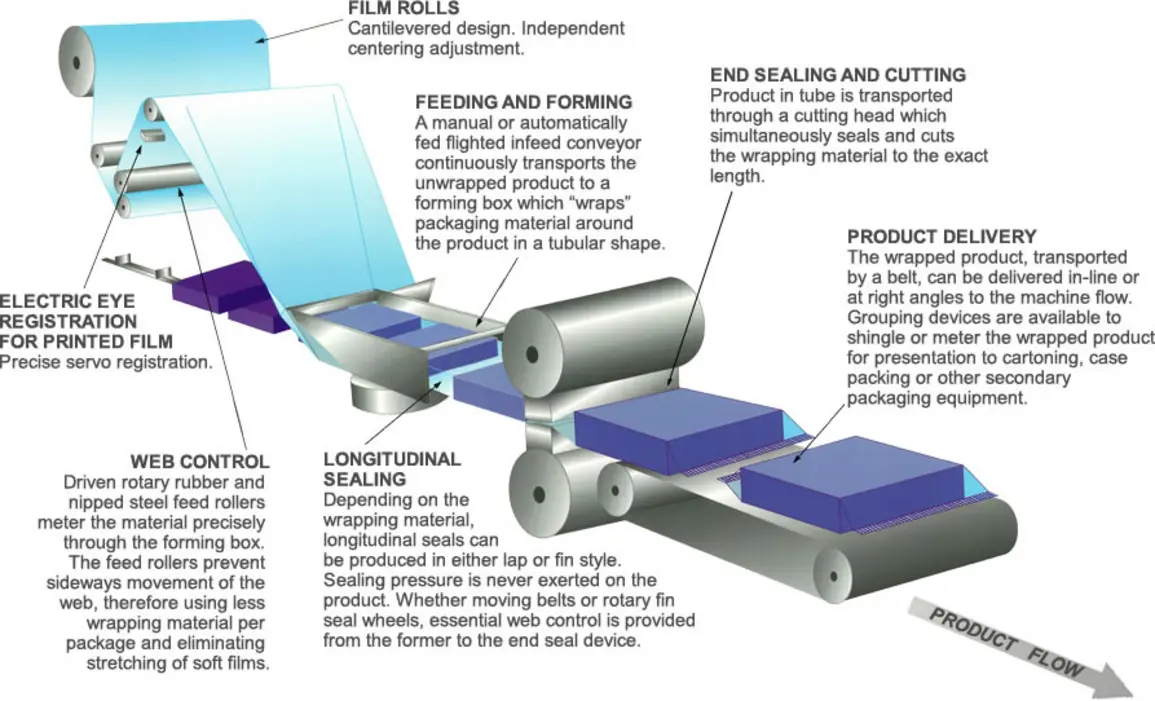
A typical line follows this sequence:
- Receive and sort cucumbers. Remove fruit with damage, decay, extreme curvature, or dimensions outside the packaging range.
- Wash or prepare as required by the facility process. Product must be in the expected surface condition before wrapping.
- Dry the cucumber surface. Free surface water makes sealing and pack appearance harder to control.
- Orient and space product. Infeed equipment presents each cucumber to the wrapper at a consistent pitch.
- Form and seal the film. The wrapper draws film around the product, makes a longitudinal seal, then produces end seals and cuts the pack apart.
- Inspect finished packs. Check for open seals, film damage, poor registration, trapped product, and inconsistent pack length.
- Case pack and hold under the intended distribution conditions. Packaging cannot compensate for poor temperature management or rough handling after packing.
Source: cdn.sigmaequipment
The exact line arrangement depends on cucumber length, shape variation, required output, and whether the operation packs one cucumber per pack or multiple units. Long English-style cucumbers are commonly handled individually, while smaller products may be grouped when the retail format supports it.
Start with the product, not the film roll
Before evaluating fresh produce flow wrap film, define the operating window of the product.
Product dimensions and variability
Measure the practical range, not just the nominal specification. Include length, diameter, curvature, stem-end shape, and surface texture. A pack sized too closely around the largest fruit can put stress on the film and seals. A pack with excessive unused film can look loose, consume more material, and make product control less stable.
Surface moisture and temperature
Film sealing is usually more consistent when cucumbers enter the wrapper with controlled surface dryness. Water on the seal area can interfere with seal formation, create visual defects, or contribute to condensation in the finished pack. The appropriate washing, drying, holding, and temperature controls should be established through the facility’s food-safety plan, equipment instructions, and applicable regulatory requirements.
Handling sensitivity
Cucumbers can be marked by aggressive guides, unsuitable belt transfers, abrupt stops, and poorly timed lugs. Packaging film will conceal some minor cosmetic variation, but it cannot reverse compression marks or abrasion created upstream. Review transfers before assuming the wrapper is responsible for all finished-pack defects.
Select film by performance requirements
Many cucumber packs use polyolefin-based films, but the right structure depends on the product and the supply chain. A film supplier should provide technical data and samples appropriate for the wrapper and intended pack format.
Key film questions include:
- Moisture barrier: Does the film reduce water loss enough to maintain acceptable firmness and appearance?
- Gas transmission: Is the film’s permeability appropriate for the packaged cucumber and expected storage conditions?
- Seal range: Can the material form reliable seals across normal line variation without excessive heat input?
- Puncture and tear resistance: Can it withstand stem ends, sharp handling points, case packing, and retail handling?
- Optical properties: Does it provide the required clarity, gloss, anti-fog behavior, and print performance?
- Machinability: Does it track well, release properly from sealing surfaces, and run consistently at the required line speed?
- End-of-life fit: Is the material compatible with the recycling or recovery options available in the target market?
A film with tailored permeability may help maintain quality, but it should be evaluated as part of the entire pack system. Film performance on a supplier sample may differ after actual production variation, distribution vibration, retail lighting, and consumer handling.
Film thickness reduction: use a controlled trial
Reducing gauge can lower resin use and packaging cost, but only if the thinner film continues to protect the product and run reliably. The most useful approach is a staged comparison rather than a plant-wide switch.
A practical reduction trial
- Establish a baseline using the current film: material use, waste, seal defects, downtime, pack damage, and product quality at the end of expected distribution.
- Choose one thinner candidate film with comparable sealing and barrier characteristics where possible.
- Run it on normal production equipment with ordinary operators and representative cucumbers.
- Inspect packs immediately after wrapping and after realistic handling, case packing, and storage.
- Compare seal failures, punctures, rejects, machine stoppages, film breaks, cucumber dehydration, condensation, color change, and retailer or customer feedback.
- Expand the trial only when the total result is acceptable—not merely when film consumption falls.
The relevant metric is total system performance. A small decrease in film weight can be outweighed by higher product loss, line downtime, or a rise in rejected packs.
Set up the flow wrapper for stable seals
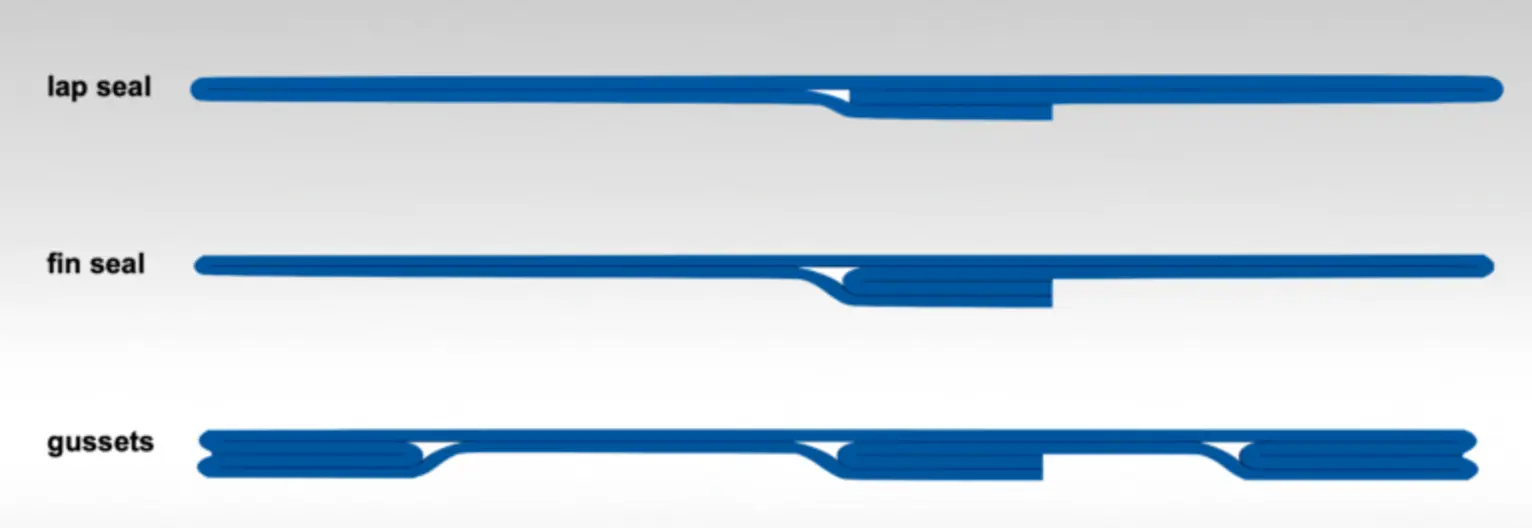
A cucumber flow wrapper normally makes two critical seal types: the longitudinal fin seal and the crosswise end seals. Both need adequate strength and appearance, but the settings must be developed for the specific film, machine, product dimensions, and operating environment.
Source: greenercorp
Control the main seal variables
Seal performance is influenced by several interacting conditions:
| Control area | What to watch | Typical symptom when unstable |
|---|---|---|
| Sealing temperature | Enough energy for the film structure without overheating | Weak seals, distortion, burn-through, or sticking |
| Dwell and pressure | Consistent contact time and sealing-jaw force | Intermittent openings or uneven seal texture |
| Product timing | Cucumber centered away from end-seal jaws | Product caught in seal, crushed ends, frequent rejects |
| Film tracking and tension | Straight film travel without excess pull | Wandering fin seal, wrinkles, inconsistent pack length |
| Jaw and former condition | Clean, aligned, undamaged contact surfaces | Marked film, incomplete seals, repeatable defects |
| Surface condition | Dry, clean seal area and product surface | Contaminated or visually poor seals |
Do not treat a seal-temperature adjustment as the universal correction. If seals are inconsistent, first check film identification, roll orientation, tension, tracking, jaw alignment, sealing-surface cleanliness, product position, and actual machine condition. Follow the machine manufacturer’s operating instructions and use qualified maintenance personnel for adjustments that involve guarding, electrical systems, pneumatics, or heated sealing assemblies.
Perforation: useful only when validated
Perforation is sometimes considered when pack humidity, gas exchange, or condensation needs adjustment. It is not automatically beneficial. Holes can reduce the protective moisture barrier that makes individual wrapping valuable in the first place, and the optimum pattern depends on the product, film, pack geometry, and storage conditions.
If perforation is under consideration, compare unperforated and perforated packs under representative distribution and display conditions. Assess weight loss, firmness, visual dehydration, condensation, decay, pack integrity, and consumer presentation. The package should be validated by the packer’s technical and food-safety teams; applicable packaging and produce requirements should be confirmed with relevant official guidance and customers.
Common problems and likely causes
Loose, baggy packs
Check pack-length setting, film width, product spacing, cucumber size range, and film tension. A very loose pack may use unnecessary material and can look poorly controlled at retail.
Film punctures near cucumber ends
Inspect stem scars, sharp product features, transfer points, case-packing contact, and film toughness. Increasing thickness may help, but correcting sharp mechanical contact points may solve the problem with less material.
Open or split end seals
Check product timing first. Then review the film seal window, jaw pressure and alignment, contamination on seal surfaces, and whether the film has changed. Preserve samples by time, lane, operator, and roll so defects can be traced.
Wrinkled fin seals
Look for poor forming-box setup, uneven film tension, misaligned rollers, contamination, or excessive variation in cucumber diameter. A wrinkle that crosses the seal area may compromise appearance or integrity.
Condensation inside packs
Review product surface dryness, temperature differences between product and packing area, storage conditions, film properties, and whether perforation has been validated. Do not assume that changing only film thickness will resolve condensation.
Release checklist for a new cucumber package
Before full implementation, confirm that the pack has passed a documented review:
- Cucumbers fit the chosen film width and pack length across the real size range.
- The line runs at the planned production rate without unacceptable breaks, tracking problems, or reject levels.
- Fin and end seals remain intact after normal packing, handling, and transport simulation or actual distribution trials.
- The package protects quality through the intended shelf-life window.
- The film structure, print, labeling, and disposal claims meet customer and market requirements.
- Product and package testing are reviewed by the appropriate quality, engineering, procurement, and food-safety personnel.
- Operators have clear start-up checks, defect standards, roll-change procedures, and escalation instructions.
The strongest cucumber packaging program is not the heaviest film or the lowest-gauge film. It is the validated combination of cucumber condition, film properties, wrapper setup, seal control, and distribution discipline that delivers acceptable quality with the least avoidable material use.
References
- That thin wrap isn’t about plastic - it’s about protecting food. …. (n.d.). https://www.facebook.com/plasticpackagingnamibia/posts/that-thin-wrap-isnt-about-plastic-its-about-protecting-foodan-unwrapped-cucumber/921276183563875
- Effect of shrink wrap packaging for maintaining quality of cucumber during storage. (n.d.). https://pmc.ncbi.nlm.nih.gov/articles/PMC3550898
- SleekWrapper i 65 to Flow Wrap Whole Cucumber. (n.d.). https://www.paxiom.com/youtube-video/sleekwrapper-i-65-to-flow-wrap-whole-cucumber
- Packaging cucumbers for a more sustainable food system | Amcor. (n.d.). https://www.amcor.com/insights/educational-resources/cucumbers-sustainable-packaging
- Why English Cucumbers Are Wrapped in Plastic. (n.d.). https://www.facebook.com/JessicaYeeGavin/videos/why-are-english-cucumbers-wrapped-in-plastic/2229118414298461
- Why is a plastic wrap used around an organic cucumber?. (n.d.). https://www.hhc.earth/knowledge-base/articles/why-is-a-plastic-wrap-used-around-an-organic-cucumber
- To wrap or to not wrap cucumbers?. (n.d.). https://www.empa.ch/documents/56164/19450914/2021.07.29_Cucumber+packaging+LCA_Preprint_V1.pdf/44baa51d-e218-4c85-a970-03d6e6edc86e
- Cucumber - Wikipedia. (n.d.). https://en.wikipedia.org/wiki/Cucumber