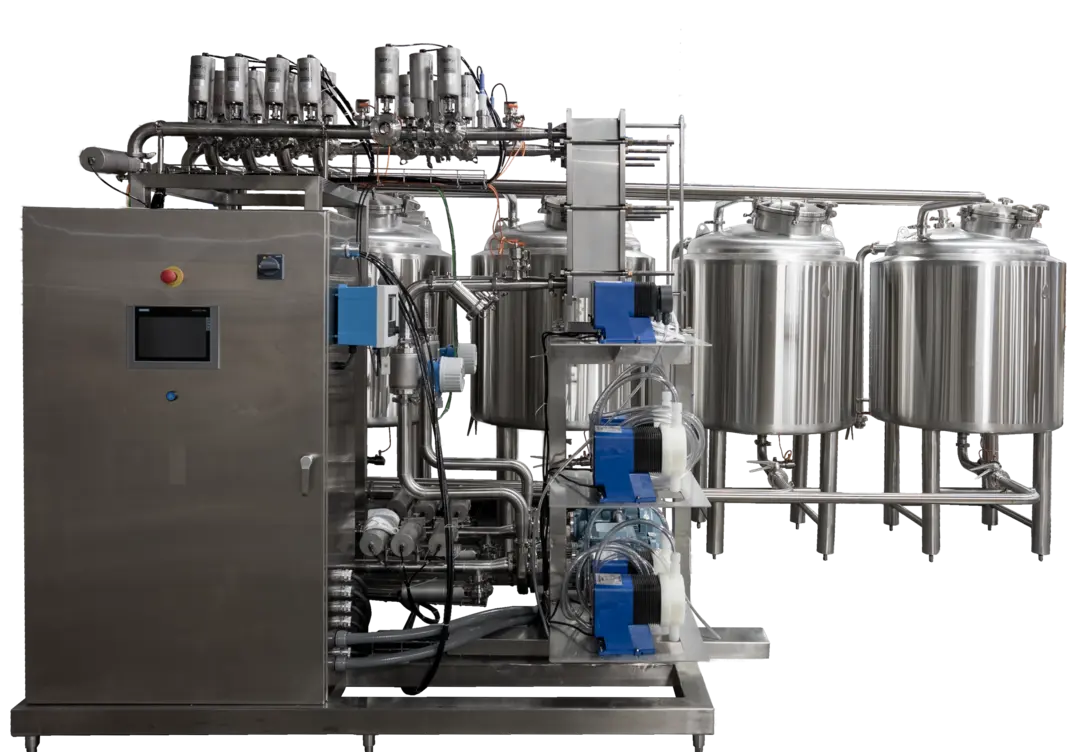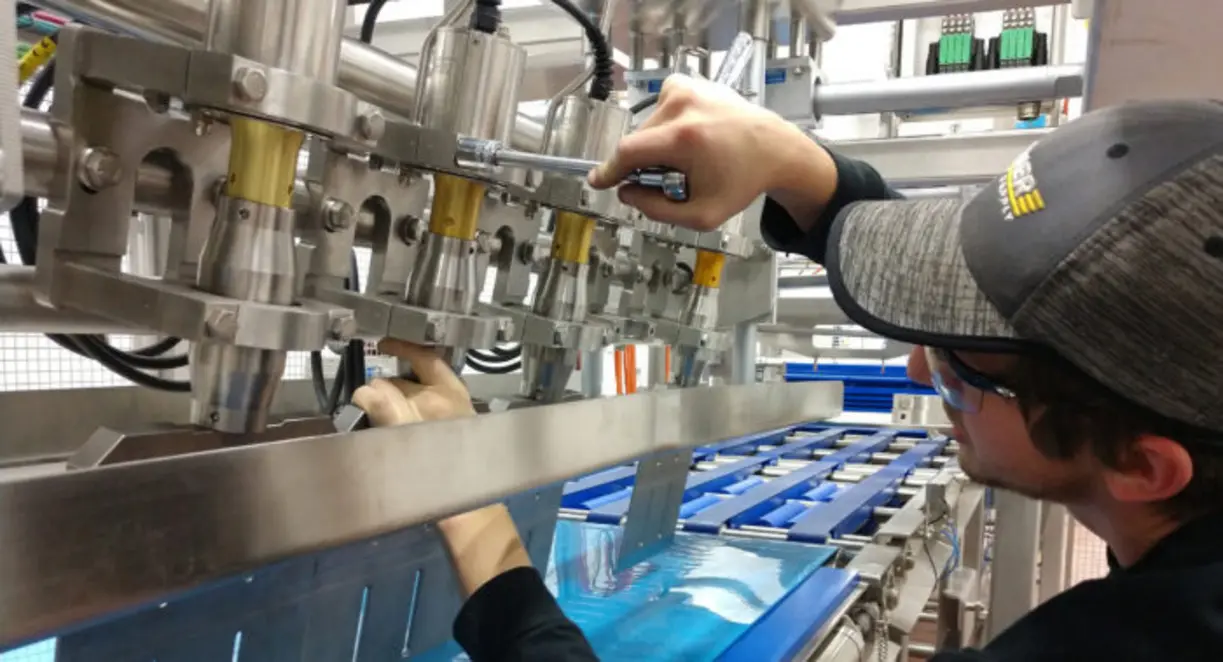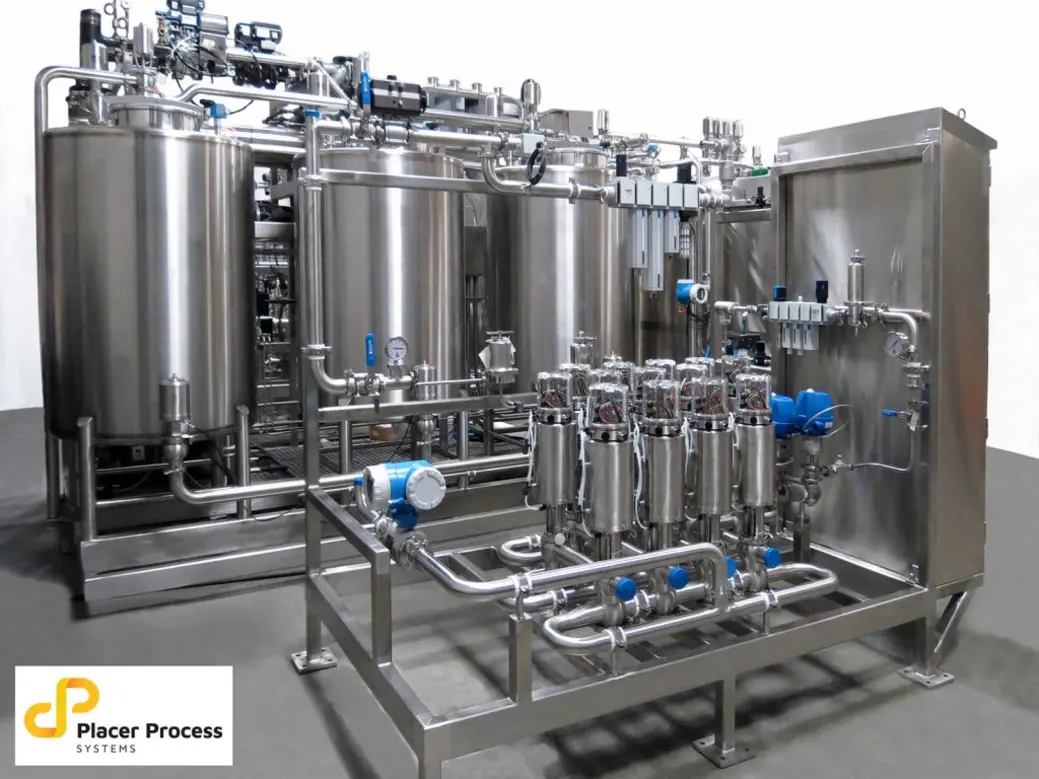
A food plant should not select explosion-proof electrical equipment simply because an area is wet, and it should not select a washdown enclosure simply because combustible dust may be present. These products address different hazards. Explosion-proof or other hazardous-location equipment is selected to prevent electrical equipment from igniting a classified flammable gas, vapor, or dust atmosphere. Washdown-rated equipment is selected to resist water, cleaning exposure, corrosion, and contamination traps.
The practical decision starts with a zone-by-zone assessment: identify whether a hazardous location has been formally classified, then identify how each location is cleaned and exposed to moisture. Where both conditions exist, the installation may need hardware that satisfies both the hazardous-location listing and the environmental demands of the area. Neither rating should be assumed from the other.
Start with two separate questions
Before choosing an enclosure, cable fitting, conduit body, disconnect, motor, or junction box, ask:
- Can an ignitable atmosphere be present under the conditions defined for this location? This is a hazardous-location question.
- Will the equipment be exposed to water jets, foam, chemicals, condensation, or corrosive residues? This is an ingress, cleanability, and corrosion-resistance question.
A dry ingredient handling area may present a combustible-dust concern while seeing little direct washdown. A raw-meat processing room may receive frequent washdown but have no classified atmosphere. A facility can also have both conditions in adjacent areas, or in the same area, depending on the materials and process.
The classification decision should come from the plant’s documented hazardous-area assessment and the applicable electrical code, rather than from an equipment catalog or a general description such as “dusty” or “wet.” In the United States, the authority having jurisdiction, qualified electrical professionals, and the facility’s safety team should be involved in defining the location and approving the installation approach.
The core distinction: containment versus ingress protection
| Equipment or practice | Primary problem addressed | What it does not establish by itself |
|---|---|---|
| Explosion-proof enclosure | Ignition risk from an internal ignition event in a classified gas or vapor location | Suitability for repeated high-pressure washdown, sanitation design, or corrosion resistance |
| Dust-ignitionproof or other dust-rated equipment | Ignition risk associated with a classified combustible-dust location | Suitability for all water or chemical-cleaning conditions |
| Washdown-rated enclosure | Water ingress, cleaning exposure, and often corrosion resistance | Approval for a hazardous location |
| NEMA 4X enclosure | Environmental protection associated with its rating, including corrosion resistance under defined conditions | Hazardous-location classification or explosion-proof construction |
| IP-rated enclosure | Degree of protection against solid-object and water ingress under its test code | Hazardous-location approval, material compatibility, or sanitary design |
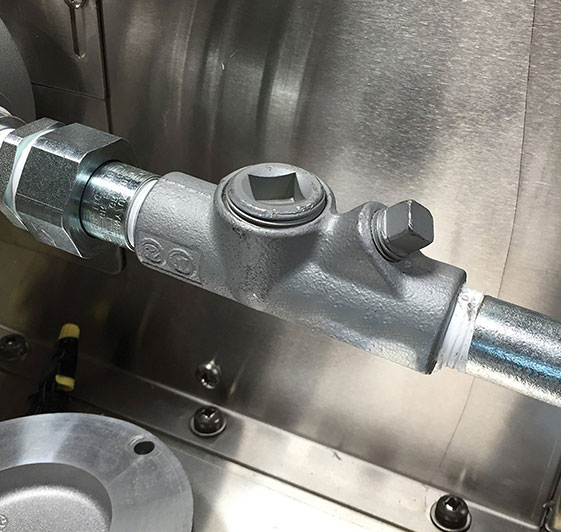
| Conduit sealing fitting | Limits passage of gases, vapors, or flames through a conduit system where required | A substitute for correctly listed equipment or a general waterproofing solution |
| Gasketed fitting or cord grip | Helps maintain an enclosure’s environmental seal when correctly selected and installed | Explosion-proof or dust-ignitionproof protection unless specifically listed for that duty |
A NEMA or IP designation is useful, but it must be read for what it is. It describes defined enclosure protection characteristics; it does not automatically mean that the enclosure is accepted for a particular Class, Division, Zone, group, or temperature code. Likewise, a heavy cast hazardous-location enclosure can be suitable for an ignition-risk application yet remain difficult to clean or vulnerable to corrosion if its material, seals, entries, and mounting details are wrong for a washdown room.
Identify the actual food-plant hazard
Wet and sanitation-exposed areas
In washdown zones, selection usually centers on water entry, chemical exposure, corrosion, drainage, and cleanability. Typical considerations include:
- The direction, pressure, and frequency of water exposure.
- Whether foam, sanitizer, alkaline cleaner, acid cleaner, or other agents contact the enclosure and fittings.
- Condensation and temperature cycling around refrigeration, cooking, or cooling equipment.
- Stainless steel grade, polymer compatibility, and corrosion performance for the cleaning regime.
- Sloped surfaces, minimal ledges, accessible mounting, and avoidance of debris-catching geometry.
- The complete assembly: door gasket, hinges, operator devices, cable glands, conduit entries, viewing windows, and mounting penetrations.
A stainless NEMA 4X enclosure is often considered for corrosive washdown conditions, but the enclosure rating is only one part of the design. A poorly selected cable gland or an unsealed knockout can defeat the intended protection. Verify the component ratings, installation instructions, and chemical compatibility for the plant’s actual cleaning program.
Combustible dust areas
Food ingredients can create combustible-dust hazards in certain handling operations. Examples may include milling, conveying, screening, bag dumping, blending, or collection activities involving dry powders. The fact that a material is organic or food-grade does not determine whether an area is classified.
A qualified assessment should consider the material, particle characteristics, dust release points, housekeeping, ventilation, equipment configuration, and credible operating conditions. If the location is classified, the electrical equipment must match the identified classification. This may involve equipment listed for the applicable dust location rather than equipment casually described as “explosion-proof.”
Flammable gas or vapor areas
Some food and beverage operations use or generate materials that can create a flammable gas or vapor concern. These situations require their own classification review. An enclosure appropriate for a dust location may not be appropriate for a gas or vapor location, and vice versa.
The designation on the equipment must be read against the documented location classification. Verify the class or zone system used, division or zone, material group, temperature limitations, ambient conditions, and any special installation requirements.
Selecting enclosures: use the intersection of requirements
The right choice is often not “explosion-proof versus washdown.” It is the listed and documented solution that meets every applicable requirement.
A useful selection sequence is:
- Map the location. Mark equipment positions relative to open product, washdown boundaries, dust-release points, drains, steam, refrigeration, and traffic routes.
- Confirm the hazard classification. Use the facility’s approved drawings and current process information. Escalate changed ingredients, solvents, dust controls, ventilation, or equipment layouts for review.
- Define environmental exposure. Record water exposure, cleaning method, chemical products, corrosion history, condensation, and physical impact risk.
- Select the protection method. In a classified area, use equipment listed for the specific location or another permitted protection technique designed as a system, such as intrinsically safe or purged equipment where applicable.
- Check the complete assembly. The enclosure, operators, viewing hardware, conduit hubs, glands, plugs, drains, and cable entries must preserve the intended protection.
- Review sanitation and maintainability. Confirm that mounting and routing do not create inaccessible soil traps or make cleaning impractical.
- Document installation details. Maintain equipment markings, drawings, installation instructions, inspection records, and approved modifications.
Source: sureall-light
Conduit and fittings: the connection is part of the rating
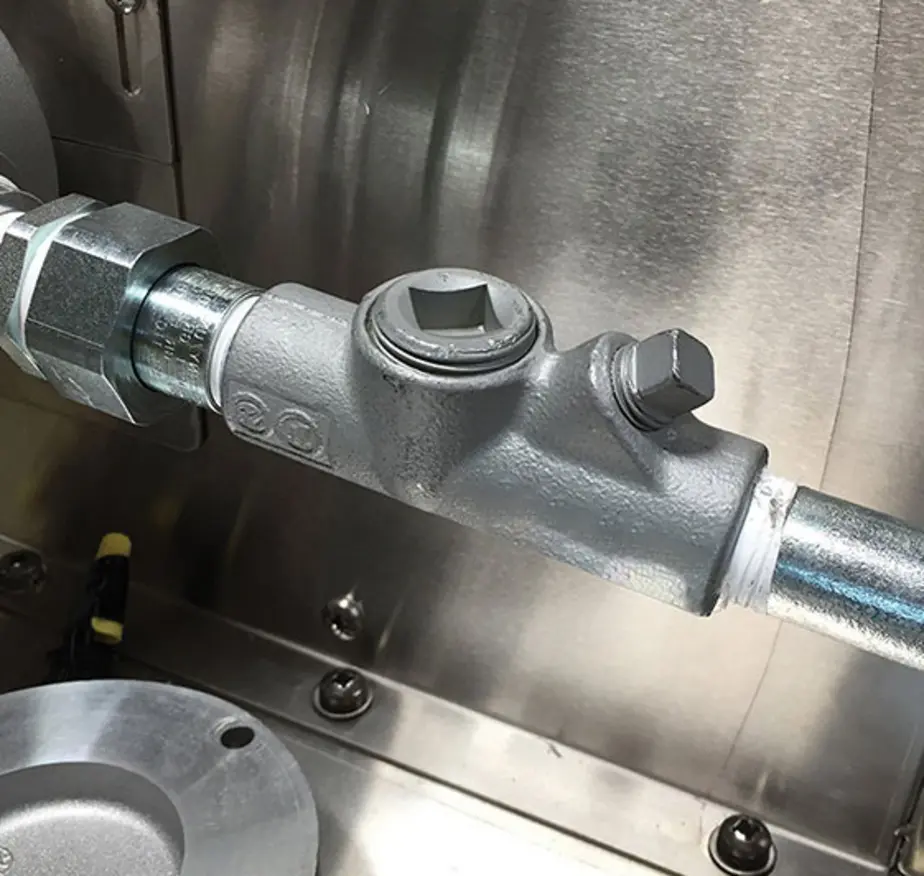
Food plant conduit sealing is often misunderstood because several different sealing functions are involved.
A hazardous-location conduit seal is a listed sealing fitting installed with its specified sealing compound and installation method where required by the applicable code and equipment instructions. Its role can include restricting the passage of flammable gases, vapors, or flames through a conduit run and separating portions of the wiring system. It is not an optional “extra gasket,” and its placement cannot be chosen by rule of thumb.
A washdown conduit fitting or gasketed hub serves a different purpose: maintaining resistance to water entry at an enclosure penetration. It may be important in a wet area, but unless it is specifically listed for hazardous-location service, it does not satisfy hazardous-location requirements.
Important installation checks include:
- Use the wiring method and conduit type permitted for the location.
- Match thread form, hub type, stopping plugs, and accessories to the enclosure listing and manufacturer instructions.
- Do not leave unused openings with ordinary plugs when listed closure hardware is required.
- Ensure conduit routing does not direct water toward entries or create standing-water points.
- Protect threads and seals from damage during cleaning, maintenance, and repeated disassembly.
- Avoid field modifications, drilling, or substitutions that may void the enclosure’s listing.
The most reliable practice is to treat the enclosure and its entries as one engineered assembly. A correctly marked box can be made noncompliant by an incorrect hub, fitting, cover, fastener, or field-installed operator device.
Common selection mistakes
Treating “explosion-proof” as a general durability rating
Explosion-proof construction is not a synonym for waterproof, sanitary, corrosion-proof, or safe for every dusty process. It addresses a specific ignition-control objective under a specified listing.
Treating NEMA 4X or IP ratings as hazardous-location ratings
NEMA 4X and IP ratings can be important in food processing, especially in wet areas, but they do not replace a hazardous-location marking. Review both sets of requirements where both hazards apply.
Selecting only the enclosure, not the system
The box may be correct while the cable entry, conduit seal, operator station, motor, or disconnect is not. Review every item located in the classified or washdown boundary.
Installing a conduit seal as a universal moisture barrier
Hazardous-location seals are specialized components with prescribed installation details. They are not a substitute for proper drainage, correctly rated environmental fittings, or a maintenance program.
Ignoring changed process conditions
A line modification can change the electrical risk. New powder ingredients, altered transfer points, higher production rates, revised ventilation, or a new cleaning method can affect both classification and enclosure suitability.
A practical specification checklist
Before releasing electrical hardware for a food-machine installation, confirm the following:
- Is the installation location formally classified, and is the classification current?
- Does the equipment marking match the identified location and required protection method?
- Are temperature limitations, groups, ambient conditions, and equipment duty suitable for the application?
- Is the enclosure rating appropriate for direct washdown, splash, condensation, or dry-area exposure?
- Are materials, gaskets, and cable-entry components compatible with the cleaning chemicals and expected corrosion conditions?
- Are all conduit hubs, seals, glands, plugs, and operator devices listed or approved as part of the required assembly?
- Does the installation support hygienic access, drainage, and cleaning around the equipment?
- Are maintenance personnel able to inspect covers, gaskets, threads, seals, and grounding or bonding connections without unsafe shortcuts?
- Has the proposed installation been reviewed by qualified electrical and safety personnel and accepted by the authority having jurisdiction where required?
Frequently asked questions
Is a washdown-rated enclosure explosion-proof?
Not necessarily. A washdown enclosure is selected for environmental exposure such as water and corrosion. It should be considered hazardous-location equipment only when its marking and listing specifically match the documented location classification.
Is explosion-proof equipment suitable for washdown?
Sometimes, but not automatically. Confirm the enclosure’s environmental rating, material construction, corrosion resistance, entry fittings, and suitability for the plant’s cleaning method. Hazardous-location suitability and washdown suitability are separate checks.
Do all dusty food areas require explosion-proof electrical equipment?
No. The requirement depends on the documented hazardous-location classification, not on the presence of ordinary dust alone. Dry ingredient operations should be evaluated carefully because combustible dust can be a significant process hazard.
Can a standard gasketed cable gland replace a hazardous-location conduit seal?
No. A gasketed gland may provide environmental sealing when properly selected, but it does not replace a required hazardous-location sealing fitting unless it is specifically listed and installed for that purpose.
The selection principle
For explosion-proof electrical equipment for food plants, begin with the hazard classification, then add the environmental and sanitary requirements of the location. Specify hazardous-location protection when the classified atmosphere requires it. Specify washdown resistance when cleaning and moisture require it. Where both apply, verify a complete, listed system that addresses both—not a collection of individually rugged-looking parts.
References
- [PDF] Class/Division Hazardous Location. (n.d.). https://literature.rockwellautomation.com/idc/groups/literature/documents/wp/800-wp003_-en-p.pdf
- Food Manufacturing Electrical System Maintenance Checklist. (n.d.). https://oxmaint.com/industries/food-manufacturing/food-manufacturing-electrical-system-maintenance-checklist
- Food & Beverage Processing Enclosures. (n.d.). https://www.etaenclosures.com/food-and-beverage
- Food Processing Plant Electrical Requirements - Orange Electric. (n.d.). https://orangeelectric.com/food-processing-plant-electrical-requirements
- NFPA 70 Hazardous Location Classifications | US Made Supply. (n.d.). https://usmadesupply.com/resources/building-codes-standards/safety-compliance/nfpa-70-hazardous-locations
- NEMA 4X Washdown Electrical Enclosures | 316 SS & FRP | TopCabinet. (n.d.). https://topcabinet.com/washdown-electrical-enclosures
- Explosion Proof Enclosures for Hazardous Zones & NEMA Ratings. (n.d.). https://spikeelectric.com/explosion-proof-enclosures-safety-standards-for-operations-hazardous-zones
- Explosion-Proof Electrical Box: Complete Guide to Hazardous Area Enclosures, Certifications and Industrial Applications | ISEP. (n.d.). https://ise-p.com.my/explosion-proof-electrical-box-complete-guide-to-hazardous-area-enclosures-certifications-and-industrial-applications