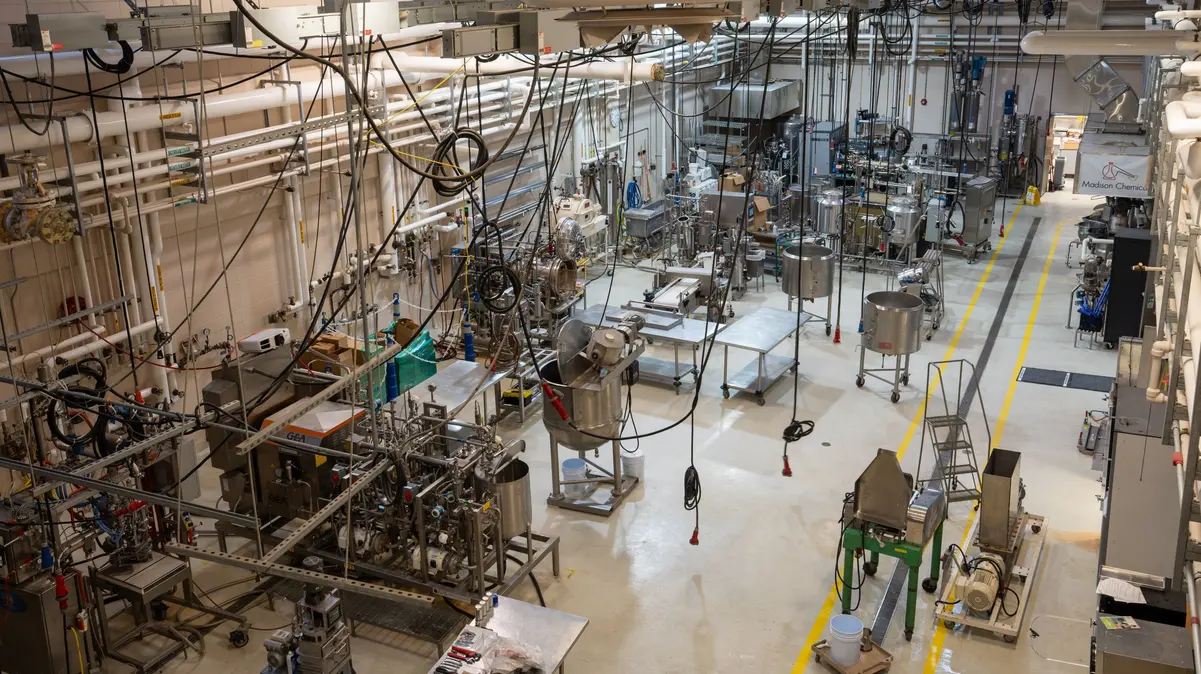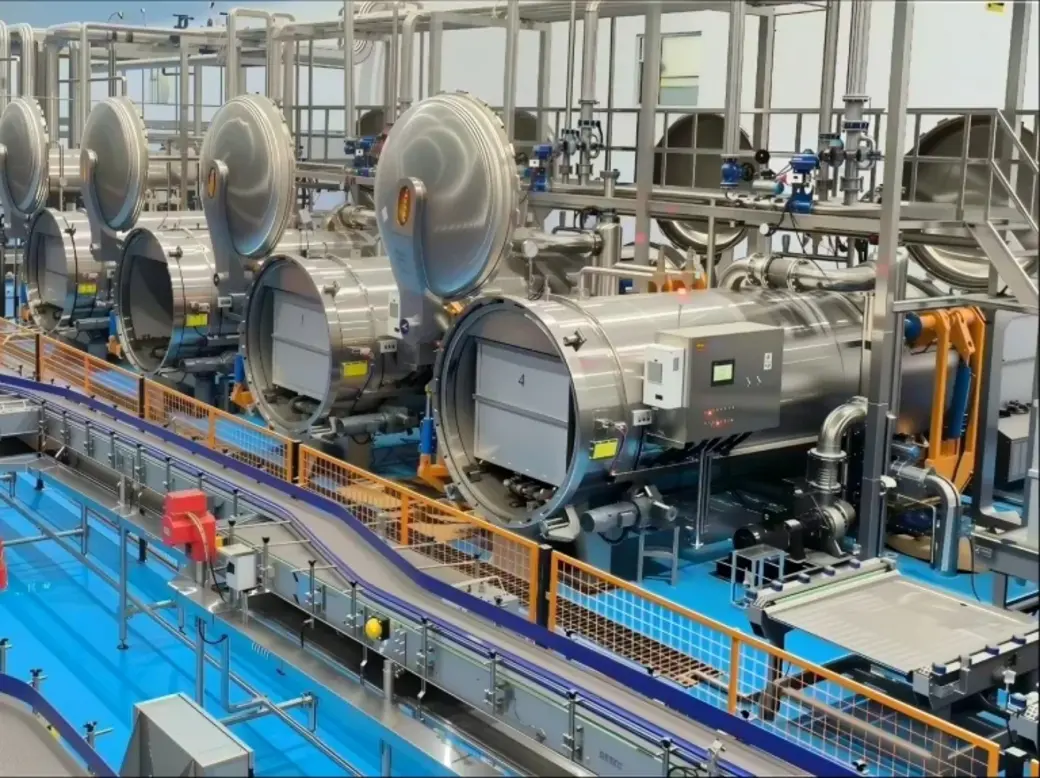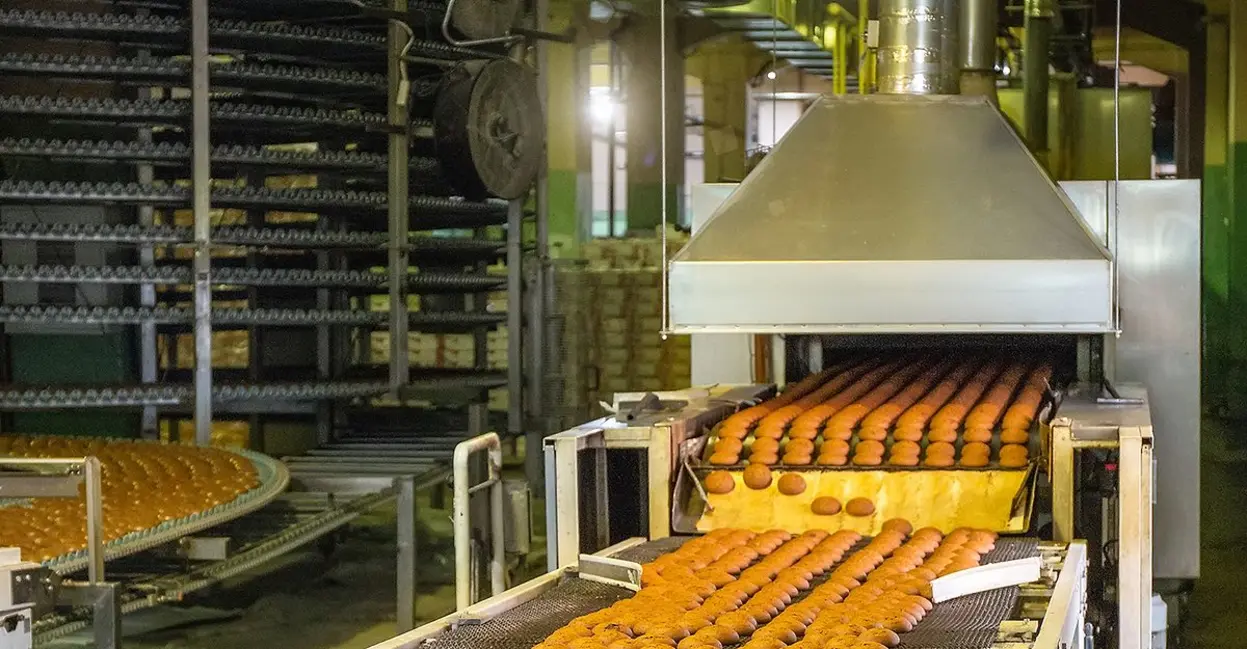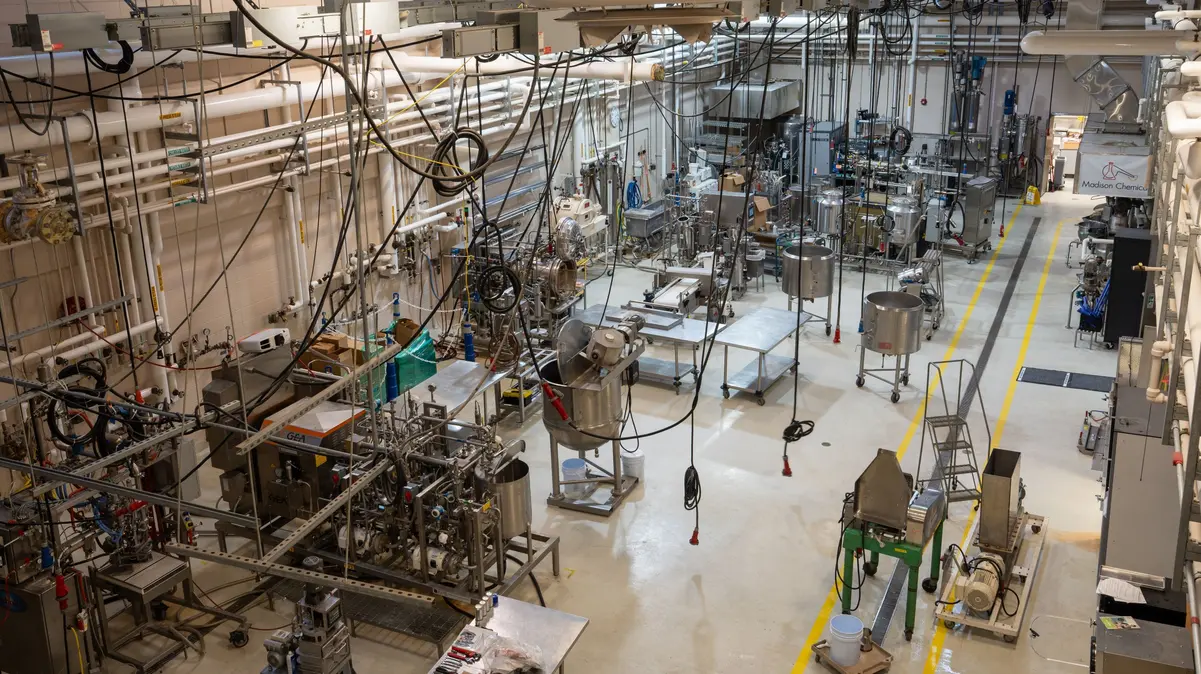
A food manufacturing pilot plant gives a product developer a way to test a formulation on production-relevant equipment before committing to a full commercial run. It can be a university facility, an independent pilot center, an equipment supplier’s test center, or a co-packer that accepts development trials. The right option depends less on the name of the facility than on whether its equipment, operators, utilities, food-safety programs, and batch size can answer the questions that matter for your product.
For most teams, the practical sequence is: define what the trial must prove, identify facilities with a comparable process, qualify their operating constraints, prepare materials and documentation, run the trial against agreed success criteria, and turn the results into a scale-up package. A pilot batch is not simply a small production order. Its primary value is the process data, observations, samples, and decisions it produces.
Start by defining the decision the trial must support
Do not begin with a general request to “make samples.” State the business or technical decision that the run needs to support. That determines the equipment, staffing, batch size, testing, and budget required.
Typical objectives include:
- Confirming that a formula can be mixed, cooked, extruded, deposited, filled, frozen, dried, or packaged on relevant equipment.
- Identifying processing limits, such as poor flow, sticking, separation, breakage, inconsistent piece weight, or package seal problems.
- Comparing formula variants under the same operating conditions.
- Producing enough representative samples for sensory work, shelf-life planning, customer review, or package evaluation.
- Creating a preliminary process specification for a co-packer or an internal production team.
- Verifying whether the product fits an existing co-packer’s line rather than requiring extensive modification.
Write a short trial brief before contacting facilities. Include the product description, ingredient list, target batch quantity, required unit operation, package format, anticipated allergens, product claims that may affect handling, and the exact questions to be answered. A facility can assess fit much faster when it receives a usable technical brief rather than a marketing description.
Choose the right type of external facility
External food development resources overlap, but they are not interchangeable. A formulation kitchen may be ideal for recipe refinement yet unable to replicate production equipment. Conversely, a co-packer may have the right filling line but have limited tolerance for open-ended experimentation.
| Facility type | Best use | Main advantage | Common limitation |
|---|---|---|---|
| University or public pilot plant | Process development, technical trials, training, early scale-up | Broad technical support and flexible research-oriented work | Equipment may not exactly match a future commercial line |
| Independent food innovation or pilot center | Product development, pilot batches, analytical support | Often combines development staff with pilot equipment | Availability and capabilities vary substantially |
| Co-packer development line | Validation on the likely commercial process | Direct view of the plant, operators, and line constraints | Minimum run requirements and scheduling can be restrictive |
| Equipment supplier test center | Evaluating a specific machine or unit operation | Access to machine specialists and application testing | May focus narrowly on the supplier’s equipment |
| Commercial kitchen or shared-use facility | Early formulation and small-batch preparation | Accessible for early-stage work | Usually not suitable for meaningful process scale-up |
A university pilot plant may be particularly useful when a process is technically uncertain and the team needs experimentation, analytical support, or help interpreting results. Purdue University, for example, describes a pilot environment designed for scalable food-manufacturing trials alongside product development and laboratory capabilities. A co-packer trial is usually more useful once the formula and package concept are sufficiently defined and the question is whether the product can run on that co-packer’s equipment.
Match the facility to the actual process, not just the product category
A “snack” plant may not be appropriate for every snack, and a “beverage” co-packer may not handle every beverage. Ask about the sequence of operations, not merely the facility’s category list.
For a dry or particulate product, relevant questions may cover ingredient receiving, sieving, blending, agglomeration, extrusion, drying, seasoning, conveying, metal detection, and packaging. For a sauce, beverage, or other liquid product, ask about mixing, shear, thermal processing, deaeration, transfer pumps, filling, closure application, and package handling. For frozen or refrigerated products, include forming, depositing, freezing, cold storage, and the handoff to packaging.
Ask each candidate facility:
- Which equipment would be used for each processing step?
- What is the practical minimum and maximum batch size for a development run?
- What product characteristics create problems on that line?
- What package types, sizes, and closure systems can the facility run?
- Can the line accommodate particulates, viscous materials, sticky products, fragile inclusions, or other product-specific features?
- Which utilities, tooling, change parts, or product-contact items would be needed?
- Who operates the equipment, and can your technical team observe the run?
- What process records, samples, and post-trial reporting are included?
An extrusion trial illustrates why process matching matters. Cornell’s Food Venture Center lists a pilot twin-screw extrusion line operated through PacMoore’s innovation capability for product development and validation trials. That may be highly relevant for an extruded cereal, crisp, protein inclusion, or textured ingredient, but it would not validate a process centered on retort packaging or refrigerated filling.
Qualify the facility before sending ingredients
The initial call should establish commercial fit, technical fit, and operating fit. Treat this as a qualification discussion, not a sales call.
Commercial fit
Clarify the fee model early. Pilot projects may be billed by scheduled time, personnel time, equipment use, project scope, or a combination. A co-packer may also require a minimum commitment, especially where setup, sanitation, and changeover consume significant line time. The quoted fee may not include freight, ingredients, packaging components, analytical testing, special tooling, storage, cleanup beyond normal scope, or disposal of unused material.
Ask what happens if the trial cannot proceed because of late materials, incomplete documents, an unsuitable formula, equipment downtime, or a missed production window. These terms should be understood before materials are purchased or shipped.
Technical fit
Request a line walk-through, remote equipment review, or technical meeting with the person responsible for the trial. Provide product data that helps the facility identify risk: target viscosity or texture where relevant, particle size, moisture sensitivity, fat or sugar content, expected processing behavior, ingredient hazards, and package dimensions.
Do not assume a smaller version of a commercial process will behave identically. Heat transfer, residence time, shear, pumping, filling accuracy, conveying, and cooling can change with equipment geometry and throughput. The purpose of food process scale-up testing is to reveal those differences early enough to manage them.
Food safety and compliance fit
The facility should explain its applicable food-safety and sanitation procedures, material receiving requirements, allergen controls, traceability expectations, and rules for visitor access. Requirements differ by product, jurisdiction, facility type, and intended market.
Confirm responsibilities in writing. In particular, establish who is responsible for ingredient approval, specification review, process authority or scheduled-process questions where applicable, label review, testing, release decisions, and disposition of product after the trial. Do not assume that a pilot facility’s willingness to run a product means the product is ready for commercial sale. Verify applicable regulatory and food-safety requirements with the relevant authority and qualified food-safety professionals.
Build a trial scope that can produce usable data
A good co-packer product development trial has a written scope, a run plan, and measurable acceptance criteria. It should also state what will be documented when the process does not perform as expected.
At minimum, the scope should identify:
- The formula version, bill of materials, and approved substitutions.
- Ingredient and packaging specifications, including lot identification and quantities supplied.
- The planned process sequence and equipment to be used.
- Planned test conditions or formula variants.
- Target output and the number of samples required for each use.
- Quality observations and measurements to collect.
- The people authorized to make changes during the run.
- Stop conditions, if a product quality, equipment, or food-safety concern requires the trial to pause.
- Ownership and disposition of product, samples, records, and leftover materials.
Success criteria should be specific enough to support a decision. “The product looked good” is not a scale-up conclusion. More useful criteria might include stable mixing, acceptable transfer through the line, consistent product appearance, acceptable package integrity, acceptable fill variation according to the project’s own specification, or sufficient output for planned testing.
Separate must-pass criteria from learning objectives. A pilot run can be valuable even when it does not meet every target, provided the team learns why it failed and what should change before the next run.
Prepare materials as if this were a production run
Late or incomplete materials are a common reason pilot trials lose value. Build a material checklist with the facility well before the scheduled date.
Include ingredients, overages, packaging, labels or plain packaging where appropriate, processing aids if approved for the project, and any special consumables or tooling. Confirm delivery dates, receiving hours, storage conditions, pallet configuration, lot coding, and documentation requirements. The facility may require certificates, specifications, allergen information, statements about ingredient status, or other documents before accepting materials.
Packaging deserves special attention. A package that works by hand may not work on a production filler, sealer, cartoner, or labeler. Supply final or representative components whenever practical, and confirm whether the facility needs rolls, preformed containers, closures, film, labels, cartons, or change parts.
Protect confidential information without blocking the work
A mutual nondisclosure agreement is common before sharing formula details, process targets, customer information, or proprietary packaging concepts. However, confidentiality terms should not prevent the operating team from receiving the information needed to safely and effectively run the trial.
Clarify ownership of the formula, process notes, samples, photographs, analytical results, and any process improvements developed during the project. Also confirm who may attend, whether photographs are permitted, and whether the facility can disclose that it performed the work. If the facility is a potential commercial manufacturer, review supply, exclusivity, intellectual-property, and minimum-volume terms separately from the pilot agreement.
Run the trial with a disciplined observation plan
Assign one person to own the trial record. That person should capture actual settings and events rather than relying on memory after the run. The facility may have its own batch records and operating logs; agree in advance on what records can be shared.
Useful observations include the actual ingredient addition sequence, mixing behavior, process interruptions, equipment adjustments, product losses, hold times, yield, package defects, rejects, samples retained, and operator comments. Record formula changes separately from machine-setting changes. If both change at once, it becomes difficult to identify the cause of a result.
For safety-sensitive steps, follow the facility’s approved procedures and the advice of qualified personnel. Do not improvise sanitation changes, thermal treatments, allergen handling practices, or process controls during a run without authorization and appropriate evaluation.
Turn the pilot batch into a scale-up package
A contract manufacturing pilot batch should end with a review, not just pallets of samples. Within days of the run, compare results with the original success criteria and decide whether the next action is reformulation, another pilot run, a packaging adjustment, a co-packer line trial, or commercial launch preparation.
The scale-up package should include the final formula version, ingredient specifications, approved suppliers, process flow, equipment used, operating observations, key settings where shareable, quality findings, sample inventory, packaging requirements, known risks, and open questions. It should distinguish proven conditions from assumptions that still need validation.
Common mistakes to avoid
The most expensive pilot trials are often not technical failures; they are poorly defined projects. Avoid these common errors:
- Selecting a facility based only on proximity or a broad capability list.
- Booking a run before the formula, packaging, and material documentation are sufficiently mature.
- Treating a pilot facility as a substitute for required food-safety, regulatory, or shelf-life work.
- Changing multiple formula and process variables without a test plan.
- Failing to reserve enough time for setup, cleanup, troubleshooting, and review.
- Sending too little material to account for startup loss, adjustments, sampling, and retained samples.
- Leaving without the process notes needed to repeat or transfer the result.
A food manufacturing pilot plant is most valuable when it reduces uncertainty before a larger commitment. Choose a facility that can answer your next production decision, define the trial as a controlled learning exercise, and leave with records that make the next scale-up step clearer rather than merely bigger.
References
- Creating A New Food Product | Food Pilot Plant. (n.d.). https://www.wixon.com/innovation/pilot-plant
- Importance of R&D Pilot Plant for Food Businesses. (n.d.). https://www.foodresearchlab.com/blog/rte-rtc/why-is-rd-pilot-plant-manufacturing-important-for-food-businesses
- Pilot Plant. (n.d.). https://ag.purdue.edu/department/foodsci/pilot-plant.html
- Roser’s pilot plant: process trials and validation before …. (n.d.). https://www.linkedin.com/pulse/rosers-pilot-plant-process-trials-validation-af8fe
- Kitchens/Co-Packers | CALS. (n.d.). https://cals.cornell.edu/cornell-agritech/partners-institutes/cornell-food-venture-center/kitchensco-packers
- USA Pilot Manufacturing Scale-Up. (n.d.). https://www.foodresearchlab.com/recent-technology/usa-pilot-manufacturing-scale-up
- Food Manufacturing Pilot Process/Line : r/foodscience. (n.d.). https://www.reddit.com/r/foodscience/comments/1jz0ag7/food_manufacturing_pilot_processline
- What Is a Pilot Plant? — PilotPlants.org. (n.d.). https://www.pilotplants.org/what-is-a-pilot-plant