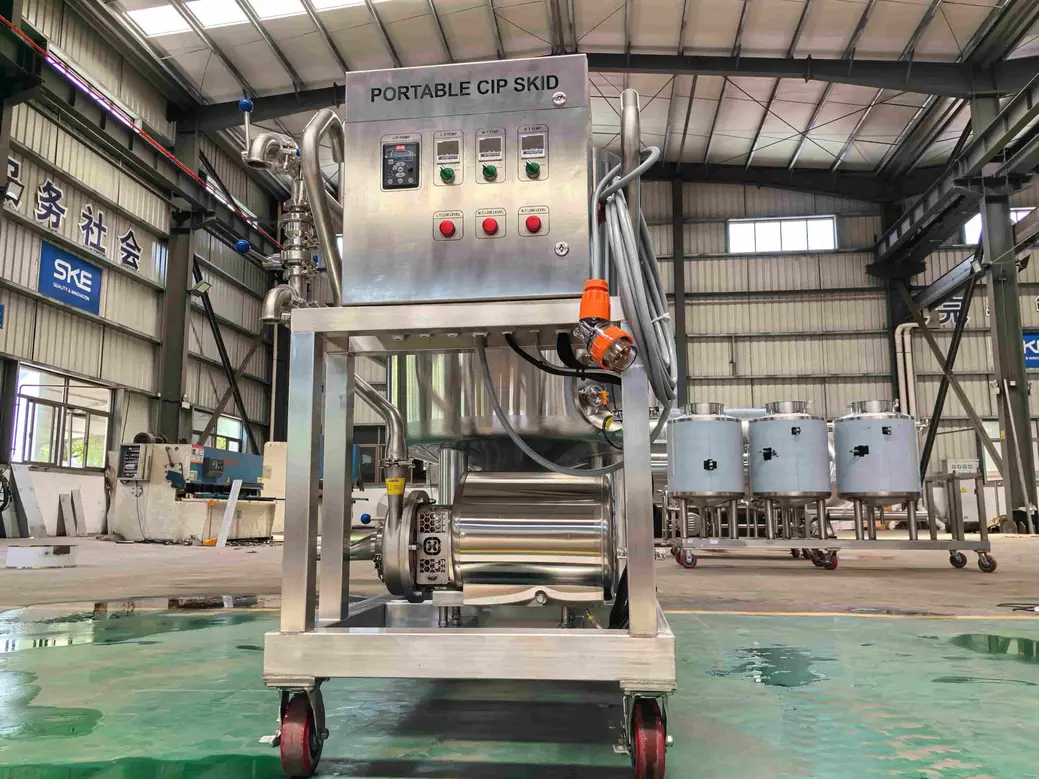
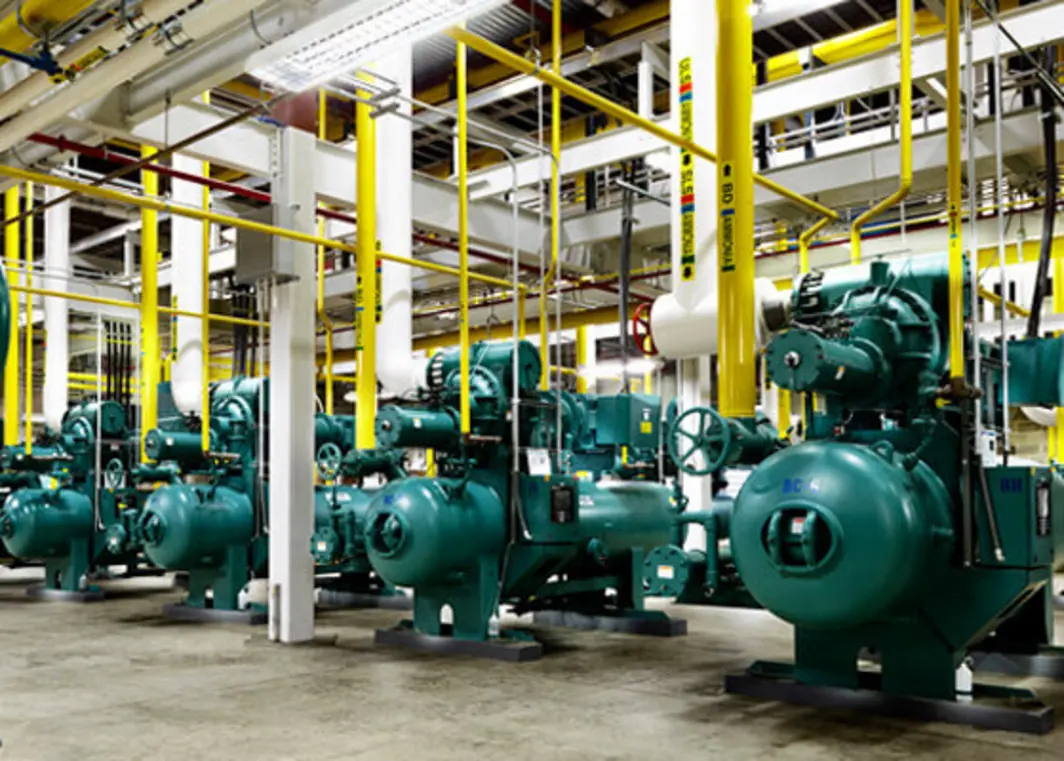
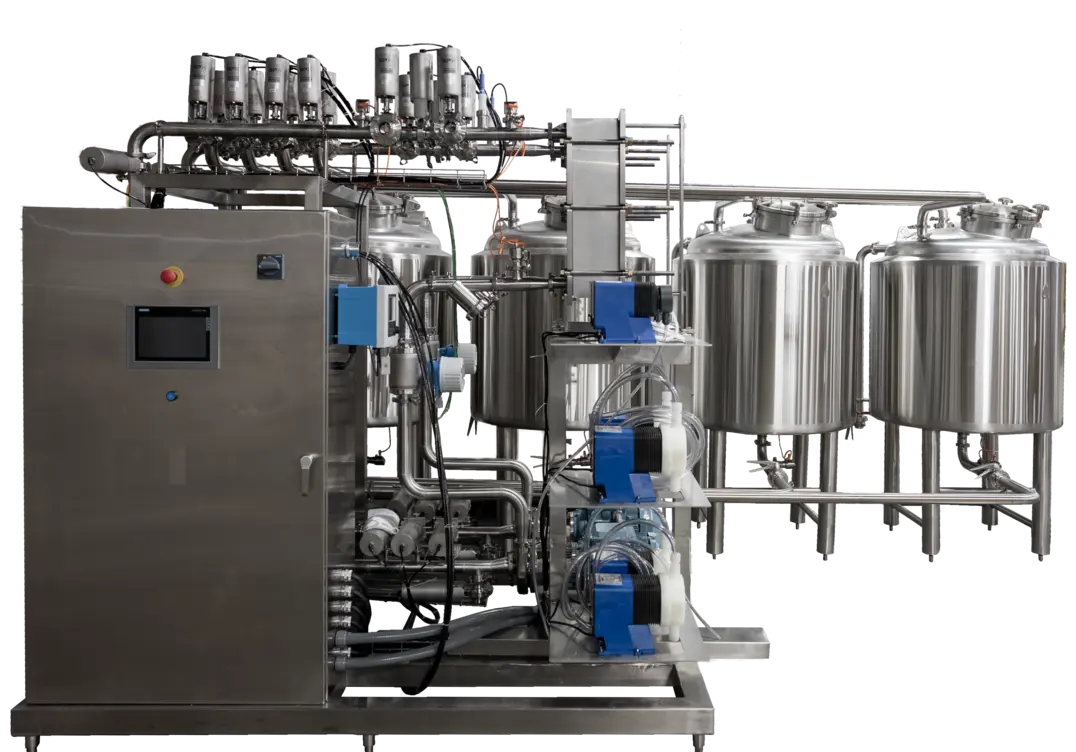
An unannounced inspection should not trigger a special cleanup, record reconstruction, or hurried repair campaign. Effective food plant inspection readiness means the plant can show, at any point in normal operations, that equipment is maintained in a sanitary condition, sanitation controls are being carried out, monitoring records are current, and deviations are handled through a documented process.
The practical goal is simple: make the plant’s actual condition match its written programs. Inspectors may observe operations, examine equipment and facilities, ask to see records, and follow up on conditions that could affect product safety. A readiness system therefore has to connect production, sanitation, maintenance, quality, warehousing, and plant leadership—not leave inspection preparation to one department.
Build readiness into the daily operating rhythm
Inspection readiness works best as a repeatable cycle rather than an event. The cycle begins with the written food safety and sanitation programs that apply to the facility, continues through daily verification and maintenance activity, and ends with timely review of findings and corrective actions.
The exact requirements differ by product, jurisdiction, customer program, and whether the facility is regulated by FDA, USDA/FSIS, or another authority. Plant management should verify which regulations, records, retention periods, and preventive-control or HACCP obligations apply to its operation. Do not assume that a checklist from another product category is sufficient.
A useful operating rhythm includes:
- Pre-operational checks before equipment is released for production.
- Operational observations during the shift, including hygienic conditions around equipment.
- Prompt maintenance response to defects that could affect cleanability, product protection, or process control.
- Accurate completion and review of sanitation, production, quality, calibration, and maintenance records.
- Documented corrective action when a control, inspection, or verification activity finds a problem.
- Routine management review of recurring defects and overdue work.
This approach reduces the temptation to treat records as paperwork separate from plant conditions. A complete record is valuable only if it reflects what was actually checked, what was found, and what happened next.
Start with a regular equipment-condition walk
A structured equipment walk is the most direct way to find conditions an inspector may also notice. It should include food-contact equipment, adjacent non-food-contact areas, utilities, product-transfer points, and difficult-to-clean zones—not just the most visible processing line.
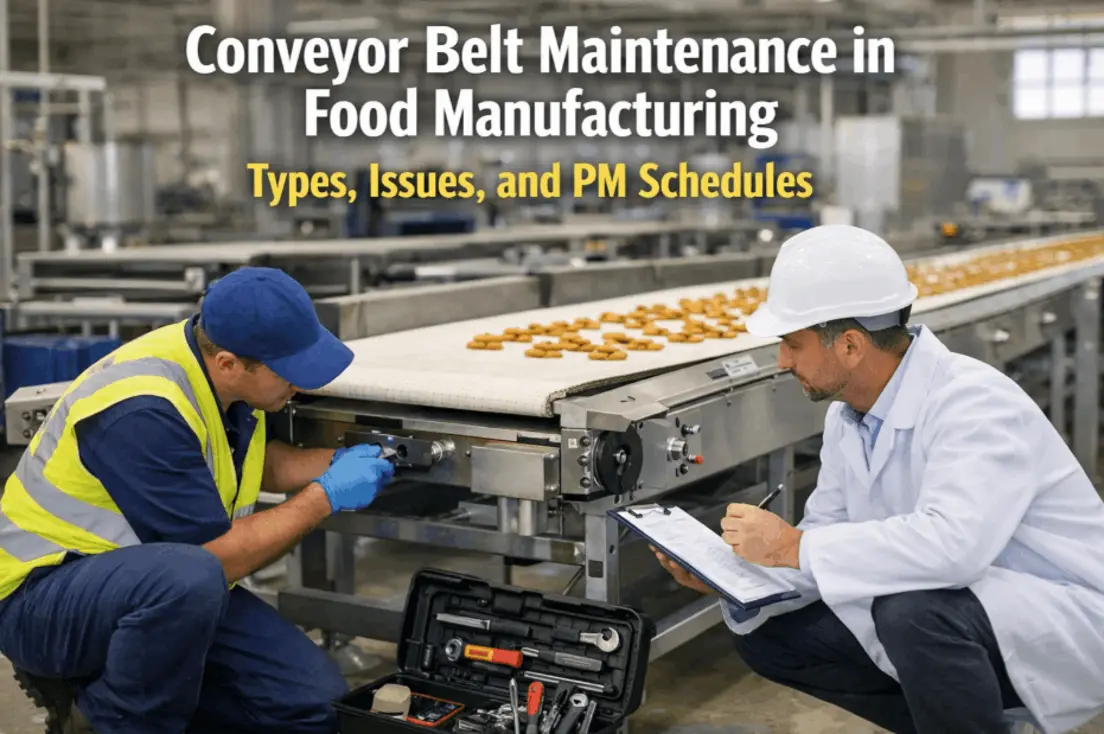
Source: oxmaint.ai
What to examine on processing equipment
Use the equipment walk to look for conditions that can compromise sanitation, cleanability, product protection, or reliable operation. Typical checks include:
- Damaged, corroded, cracked, or visibly worn food-contact surfaces.
- Loose, missing, or unsuitable fasteners, guards, seals, gaskets, and covers.
- Product buildup, standing water, residue, or debris around frames, supports, conveyors, fillers, and transfer points.
- Leaks from pumps, valves, hoses, fittings, compressed-air systems, lubrication systems, or process piping.
- Evidence that a machine cannot be adequately accessed, opened, drained, or reassembled for cleaning as designed.
- Temporary repairs that have remained in service without a documented evaluation and permanent repair plan.
- Poorly maintained drains, floors, walls, overhead areas, and utility penetrations near exposed product.
- Condensation, damaged insulation, or other overhead conditions that could create a contamination concern.
- Improper storage of tools, parts, lubricants, or cleaning equipment near production areas.
The purpose is not to create a cosmetic list. Each finding should be evaluated for its actual relevance to food safety, sanitation, product quality, worker safety, and equipment reliability. Assign an owner, establish an appropriate due date, and document interim controls when a permanent repair cannot be completed immediately.
Separate urgent defects from planned work
Plants benefit from a clear escalation method. A defect involving exposed product, a food-contact surface, a sanitation failure, a process-control instrument, or loss of product protection may require immediate action under the facility’s established procedures. Other issues can enter the planned maintenance backlog if they do not create an immediate concern and are controlled appropriately.
Maintenance personnel should not make food-safety disposition decisions alone. Quality or food-safety staff should be involved when a defect could affect product, sanitation release, process monitoring, or a preventive control.
Keep sanitation evidence complete and easy to retrieve
A sanitation program is more defensible when its records show the full sequence: the work was performed, the condition was verified, deficiencies were corrected, and production was released by authorized personnel where required by the plant’s program.
For each sanitation activity, records should align with the facility’s written procedures and identify the relevant equipment or area, the activity performed, the person responsible, the timing or shift, findings, and required follow-up. Electronic systems can simplify retrieval, but paper systems can work if they are complete, controlled, legible, and promptly reviewed.
Key sanitation evidence may include:
- Master sanitation schedules and completed task records.
- Pre-operational inspection results and release decisions.
- Operational sanitation observations.
- Equipment disassembly, cleaning, and reassembly records where the procedure requires them.
- Verification results used by the plant, interpreted according to its approved program.
- Chemical-use records, where applicable, including confirmation that the approved procedure was followed.
- Records of sanitation deficiencies, corrective actions, and follow-up verification.
- Training records for personnel who perform or verify sanitation activities.
Avoid filling in incomplete forms after the fact. Late entries, missing signatures, vague findings, and records that do not match the observed condition of equipment can create a larger problem than a documented deficiency that was properly corrected.
Connect preventive maintenance to food safety controls
Preventive maintenance is not only an uptime activity. In food plants, equipment condition affects hygienic design, sanitation access, process consistency, and the reliability of monitoring devices.
The equipment preventive maintenance inspection program should identify assets whose failure could affect product safety or regulatory compliance. Examples may include processing controls, monitoring instruments, product-protection devices, clean-in-place components, refrigeration-related controls, metal detection or other product-inspection systems where used, and equipment whose surfaces or seals can deteriorate in service.
For relevant assets, maintenance records should make it possible to understand:
| Record element | Why it matters during an inspection |
|---|---|
| Asset identification and location | Links work to the actual machine or system in the plant. |
| Planned task and frequency | Shows what the maintenance program intended to prevent or detect. |
| Work performed and parts used | Helps explain how the equipment was restored or serviced. |
| Findings and follow-up work order | Shows whether unresolved conditions were tracked. |
| Verification or return-to-service approval | Demonstrates that appropriate personnel reviewed the equipment before use when required. |
| Change history | Helps assess whether modifications were evaluated and documented. |
Maintenance teams should also control replacement parts and repair materials. A technically functional repair may still require review if it changes cleanability, introduces an unsuitable material, affects a food-contact area, or alters the validated operation of the equipment.
Verify calibration and process-monitoring status
Inspectors may ask how the plant knows that instruments used for monitoring or verification are working as intended. The answer should be supported by a controlled calibration or verification program, not by a collection of disconnected certificates.
Maintain an accessible list of applicable instruments, their identification numbers, location or associated equipment, required calibration or verification status, due dates, results, and actions taken when an instrument is found outside acceptance criteria. The program should follow the facility’s food safety plan, equipment instructions, customer requirements, and applicable regulatory obligations.
When an instrument is found out of tolerance or otherwise unsuitable, the investigation should consider whether previous readings, affected product, or process decisions require review. The appropriate response depends on the instrument’s use and the plant’s documented procedures. Quality personnel should guide product and record disposition.
Make corrective-action records tell the complete story
A corrective action record should show more than “repaired” or “recleaned.” It should document the problem, immediate containment, evaluation of potentially affected product or conditions, root cause as appropriate, correction, verification of effectiveness, and preventive follow-up.
For equipment-related findings, useful evidence can include the work order number, photos where the plant’s system permits them, replacement-part information, sanitation reinspection, recalibration results, and a clear release decision. The record should connect these pieces without forcing an inspector to infer what happened.
Recurring issues deserve special attention. Repeated gasket failures, recurring leaks, difficult-to-clean residue points, missed preventive-maintenance tasks, or repeat sanitation findings may indicate a deeper design, training, spare-parts, scheduling, or ownership problem. Trend review helps the plant address that issue before it becomes an inspection finding.
Assign inspection-day responsibilities in advance
Plants should know who will coordinate an inspection before an inspector arrives. The coordinator does not need to answer every technical question personally; the role is to organize access, bring in the correct subject-matter staff, maintain a factual record of requests, and prevent unnecessary confusion.
A practical inspection-day role plan includes:
- Inspection coordinator: Greets the inspector, confirms the scope of requests, coordinates escorts, and maintains a request log.
- Food safety or QA representative: Explains applicable programs, provides controlled records, and addresses sanitation, monitoring, and corrective-action questions.
- Maintenance representative: Explains equipment condition, preventive-maintenance status, repairs, calibration support, and current work orders.
- Sanitation lead: Explains cleaning procedures, pre-operational activities, chemical controls, and sanitation findings.
- Production representative: Explains normal process flow, line status, changeovers, and operational controls.
- Plant management: Supports timely decisions and ensures that requested resources are available.
Staff should answer accurately and avoid speculation. If the right answer or document is not immediately available, it is better to say that the team will retrieve and verify it than to guess. Any requested records should be controlled copies or system outputs, with the plant retaining a record of what was provided.
Use a short weekly readiness review
A weekly cross-functional review can keep inspection readiness from becoming an annual scramble. Review open sanitation and maintenance findings, overdue corrective actions, instruments nearing due status, repeat equipment defects, unresolved facility issues, and records awaiting supervisory review.
The most useful question is not, “Would the plant look good during an inspection?” It is, “Can we demonstrate that today’s equipment condition and records support safe, controlled operations?” When the answer is consistently yes, an unannounced inspection becomes a normal verification of work the plant is already doing.
References
- food-plants-prepare-unannounced-fda-inspections. (n.d.). https://oxmaint.com/industries/food-manufacturing/food-plants-prepare-unannounced-fda-inspections
- Guide To USDA Regulations For Meat Processing. (n.d.). https://foodtech.folio3.com/blog/guide-to-usda-regulations-for-meat-processing
- USDA FSIS Compliance: Maintenance Requirements for Meat and Poultry Processing. (n.d.). https://oxmaint.com/industries/food-manufacturing/usda-fsis-compliance-maintenance-meat-poultry-processing
- USDA & FDA Contract Sanitation Requirements for Food Plants | FermiPro Clean. (n.d.). https://fermiproclean.com/usda-fda-contract-sanitation-requirements.html
- Food Processing Plant Cleaning: FDA and USDA Sanitation Requirements — RBM Building Services. (n.d.). https://rbmservicesinc.com/rbm_blog/food-processing-plant-cleaning-fda-and-usda-sanitation-requirements
- Food Plant Sanitation Pre-Operational Inspection Checklist. (n.d.). https://oxmaint.com/industries/food-manufacturing/food-plant-sanitation-pre-operational-inspection-checklist
- USDA FSIS Compliance for Meat & Poultry Processing — Maintenance & Inspection Guide 2026. (n.d.). https://ifactoryapp.com/industries/food-manufacturing/allergen-management-program-food-manufacturing-cross-contaminations
- FSIS Compliance: Complete Food Safety & Inspection Guide for 2026. (n.d.). https://www.v-comply.com/blog/fsis-food-safety