Unexpected machine noise should be treated as a condition change, not simply as an annoyance. For food processing equipment abnormal noise troubleshooting, the practical goal is to establish what changed, locate the sound without exposing personnel to moving equipment, and determine whether the noise follows machine speed, product load, airflow, or another operating condition.
Most abnormal sounds fall into three broad groups: mechanical contact or looseness, rotating drive-train faults, and airflow or pneumatic problems. A new rumble near a bearing housing, a repeating click at conveyor speed, a high-pitched blower whistle, and a gearbox whine that rises under load may all sound loud, but they point to different inspections and different levels of urgency.
Start with a safe, repeatable response
Do not reach through guards, remove guards while equipment is running, touch rotating components, or attempt to quiet a machine by changing safety devices or interlocks. Follow the plant’s operating, lockout/tagout, food-safety, and sanitation procedures. If a sound is accompanied by visible damage, smoke, odor, overheating, severe vibration, rubbing, a damaged guard, loss of control, or a risk to personnel or product, stop the equipment using the approved procedure and escalate the issue.
Before changing anything, capture the operating context. A useful first report includes:
- Equipment identification and exact location of the apparent source.
- When the sound began and whether it appeared suddenly or gradually.
- Sound character: squeal, scrape, rattle, knock, rumble, hiss, whistle, cyclic click, or gear-like whine.
- Operating state: idle, startup, normal production, full load, empty run, washdown recovery, acceleration, deceleration, or shutdown.
- Product, package, belt speed, fan setting, pressure, or process condition in use.
- Visible vibration, heat, leakage, dust buildup, belt tracking change, or product-flow change.
- Any recent maintenance, adjustment, sanitation event, component replacement, or recipe change.
This record matters because an unusual sound is often easier to diagnose by its pattern than by its volume. A brief audio or video recording made from a safe location can also help compare the event with later inspections. Follow site rules for recording in production areas.
Step 1: Decide whether the noise is tied to speed, load, or airflow
A simple operating correlation narrows the fault category quickly. Observe only from a safe position and only where normal operation is authorized.
| Noise behavior | Likely area to inspect | Typical examples |
|---|---|---|
| Frequency rises directly with shaft or belt speed | Rotating components and drive train | Belt, chain, pulley, roller, bearing, gearbox, motor fan |
| Noise appears or worsens when product load increases | Drive train, conveyor, mixer, pump, gearbox | Overloaded drive, slipping belt, worn chain, gear damage, misalignment |
| Noise changes with fan speed, damper position, pressure, or airflow demand | Fan, blower, ducting, pneumatic circuit | Turbulence, restriction, loose ductwork, fan imbalance, air leak |
| Repeating sound occurs at one point each revolution | A localized rotating defect | Damaged roller, pulley buildup, bent fan blade, coupling defect |
| Random rattle changes when equipment is lightly loaded | Loose hardware, guards, covers, supports, product contact | Loose panel, worn guide, vibrating conduit, loose bracket |
A speed-related sound does not automatically mean a failed bearing. For example, a conveyor may make a periodic knock because a splice, damaged roller, or buildup on a pulley passes once per rotation. The useful question is: what component turns at the same rate as the sound repeats?
Step 2: Localize the sound without relying on hearing alone
Noise can travel through frames, guards, piping, and ductwork. The loudest point is not always the origin. Walk the accessible perimeter and compare nearby areas while keeping clear of pinch points and moving machinery.
Look for secondary evidence:
- Fresh rub marks, shiny metal, worn paint, frayed belts, or displaced guards.
- Loose fasteners, cracked mounts, unsupported pipework, or vibrating access panels.
- Lubricant leakage, discoloration, damaged seals, or contamination around bearing housings.
- Belt dust, chain debris, product accumulation, or foreign material contacting moving parts.
- Changes in belt tracking, roller alignment, chain engagement, or coupling position.
- Air leaks, damaged flexible connections, loose duct joints, or blocked intake screens.
Where the plant has suitable condition-monitoring tools and trained personnel, vibration measurement can help distinguish imbalance, misalignment, looseness, bearing defects, and gear-mesh problems. Ultrasound can be useful for locating compressed-air leaks and early bearing-related friction. Thermal inspection can identify abnormal heat at motors, bearings, electrical connections, and other components. These tools are most valuable when readings are compared with a known baseline and trended over time.
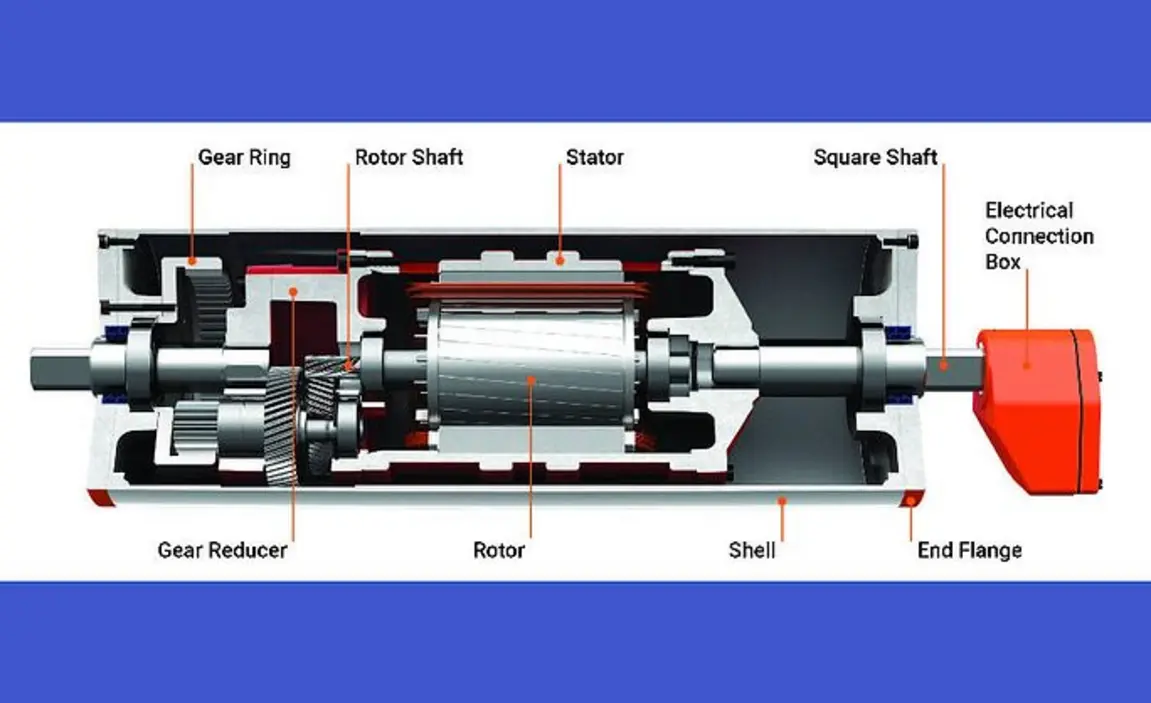
Source: foodengineeringmag
Step 3: Check the most likely component group
Bearings and bearing housings
A developing bearing issue often produces a rumble, growl, grind, or rough running sound. It may be accompanied by rising vibration, heat, lubricant leakage, or shaft movement. But bearing noise can be caused or accelerated by the surrounding installation: poor alignment, excessive belt or chain tension, contamination, incorrect lubrication practice, loose housing fits, or shaft damage.
Inspect externally for housing security, seal condition, lubrication evidence, alignment clues, and signs that a belt, chain, or coupling is imposing side load. Do not assume that adding lubricant is the corrective action. The lubricant type, amount, and interval must match the machine manufacturer’s instructions and the plant’s food-grade lubrication program where applicable.
Motors, belts, chains, couplings, and conveyors
A sharp squeal can indicate belt slip, but it can also result from belt misalignment, a contaminated pulley, incorrect tension, or a seized driven component. A repeating click or clunk may point to chain wear, poor sprocket engagement, a damaged conveyor roller, a belt splice, or a component contacting the frame.
For conveyors, inspect belt tracking, roller condition, sprocket wear, chain tension, guide clearance, and product or packaging buildup. A noise that happens only when product is present may come from guides, transfers, accumulation pressure, or a package-handling issue rather than from the drive itself.
Gearboxes
A steady gear-like whine may be normal for some gear drives, so the concern is a new or changing sound, especially one paired with increased vibration, temperature, leakage, or reduced drive performance. Noise that becomes more pronounced under load can indicate gear wear, inadequate or degraded lubricant, misalignment, loose mounting, or an upstream or downstream load problem.
Check for external leakage, mounting integrity, coupling alignment indicators, unusual case temperature, and changes in lubricant appearance only through approved maintenance procedures. Oil analysis can provide evidence of lubricant degradation, contamination, or wear particles in gearboxes and other lubricated assets. Internal gearbox inspection or repair should be planned by qualified personnel because a sound-based diagnosis alone cannot confirm the failed component.
Fans, blowers, ducts, and pneumatic systems
Airflow noise is often high-pitched, rushing, pulsing, or whistling. Common causes include a restricted inlet, blocked filter or screen, duct turbulence, a loose access door, a leaking joint, a damaged flexible connector, fan imbalance, or a fan blade contacting a shroud.
A fan that suddenly becomes louder may also be reacting to changed system resistance rather than an internal fan fault. Check whether dampers, filters, duct paths, extraction points, or process conditions have changed. In compressed-air systems, a persistent hiss can indicate leakage; it can also be mistaken for a valve or actuator problem if the source is not localized.
Step 4: Separate a correctable adjustment from a developing failure
After inspection, classify the finding rather than treating every sound as equally urgent.
Monitor and plan work when the noise is minor, stable, understood, and there is no associated heat, damaging vibration, leakage, loss of function, or product risk. Record the condition, baseline it if possible, and assign a follow-up inspection.
Schedule corrective maintenance promptly when the source is reasonably identified and the condition is likely to worsen, such as deteriorating belt tracking, loose mounting hardware, worn rollers, recurring air leakage, or early bearing-related vibration.
Stop and escalate when there is severe or rapidly increasing noise, metal-to-metal contact, a damaged or missing guard, apparent shaft or coupling movement, smoke, burning odor, overheating, fractured hardware, strong vibration, or any situation that could injure personnel or compromise the process. The exact stop criteria should follow site procedures and the equipment manufacturer’s guidance.
Avoid common troubleshooting mistakes
Several habits make abnormal noise harder to solve:
- Replacing a bearing without correcting alignment, tension, contamination, or load causes.
- Tightening belts or chains by feel rather than using the equipment specification.
- Treating a vibrating guard as the root cause when it is responding to a deeper drive or airflow issue.
- Comparing a machine only with a different machine instead of its own prior operating condition.
- Running equipment longer to “see if it clears” when the sound is escalating.
- Performing repairs without documenting the original sound and operating condition, which removes the evidence needed to verify the fix.
Build noise checks into condition monitoring
Operators are often the first people to notice a change in sound. Give them a simple reporting standard: identify the asset, describe the sound, note the operating condition, and state whether vibration, heat, leakage, or performance changed at the same time.
For critical motors, pumps, conveyors, fans, compressors, mixers, and gearboxes, combine operator observations with appropriate condition monitoring. Vibration analysis is particularly useful for rotating equipment and can identify developing imbalance, misalignment, looseness, bearing defects, and gear problems before failure. Thermal inspection, ultrasound, lubricant analysis, and motor-current monitoring can add context where they fit the asset and maintenance program.
The best outcome is not merely making the machine quieter. It is confirming why the noise appeared, correcting the contributing condition, verifying that the sound and related indicators have returned to an acceptable baseline, and preserving the record for the next inspection.
References
- Food Processing Equipment Maintenance: Complete Guide. (n.d.). https://loyalfoodmachines.com/food-processing-equipment-maintenance
- Vibration Analysis in Food Manufacturing: The Predictive Maintenance Tool Most Facilities Ignore – PFI. (n.d.). https://pfi.com.au/maintenance-asset-management/vibration-analysis-in-food-manufacturing-the-predictive-maintenance-tool-most-facilities-ignore
- Essential Predictive Maintenance Checklist for Food Processing. (n.d.). https://f7i.ai/blog/essential-predictive-maintenance-checklist-for-food-processing
- AI-Powered Predictive Maintenance in Food Processing. (n.d.). https://foodready.ai/blog/ai-powered-predictive-maintenance-in-food-processing
- Vibration monitoring in food processing | Processing Magazine. (n.d.). https://www.processingmagazine.com/home/article/15587445/vibration-monitoring-in-food-processing
- Plant Maintenance Technician | GFL. (n.d.). https://careers.gflenv.com/plant-maintenance-technician/job/296D507D05C7F0257D919809BF8F08B6
- How to Diagnose Noise Problems in Extruder Gearboxes. (n.d.). https://zealgears.com/how-to-diagnose-noise-problems-in-extruder-gearboxes-the-complete-troubleshooting-guide
- Part Time Industrial Maintenance Technician - Hephzibah GA | Job Listing. (n.d.). https://www.kwfc.org/jobs/job-listings?job=437626