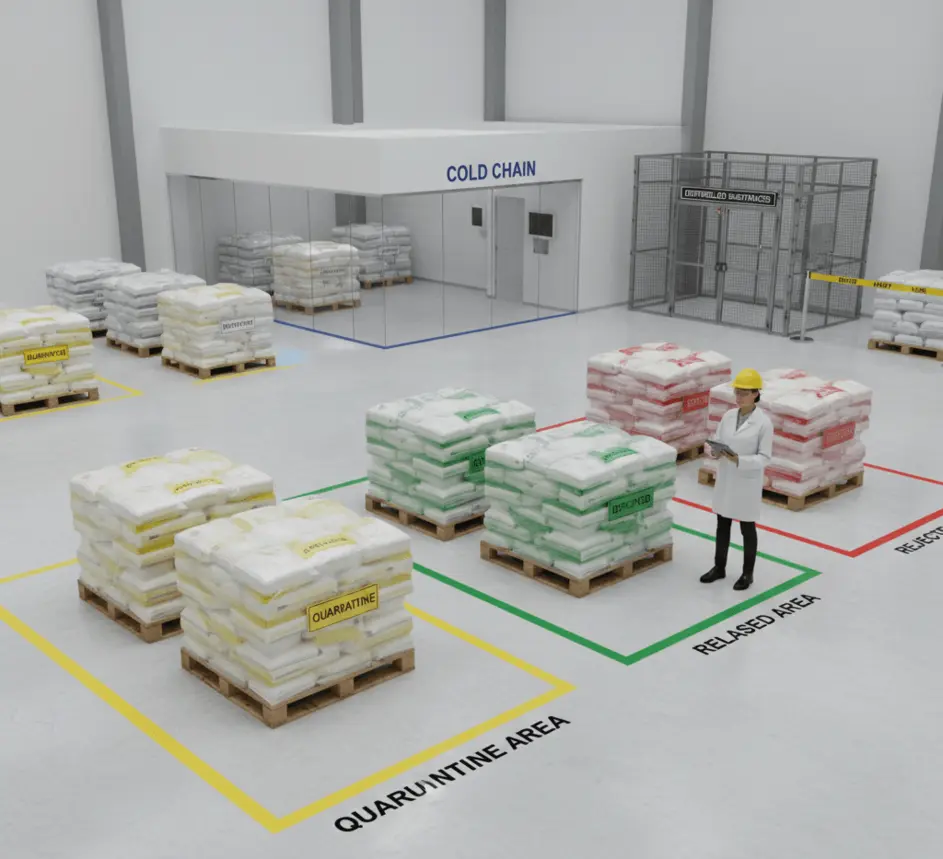
A food production hold procedure prevents ingredients, packaging, work-in-process, rework, and finished goods from moving forward when their status is uncertain. The procedure should work immediately: identify the affected material, stop its use or shipment, preserve lot traceability, apply physical and/or electronic controls, and place disposition authority with designated personnel.
The objective is not simply to attach a HOLD tag. A workable system makes it difficult to use, blend, ship, relabel, or discard affected material without an approved decision and a complete record. It also distinguishes a temporary hold for evaluation from a final disposition such as release, rework, reconditioning where appropriate, return, or destruction.
The hold and release workflow at a glance
A practical hold and release workflow has seven connected stages:
- Detect and report a deviation or questionable condition.
- Define the affected material and its traceability boundaries.
- Place all affected inventory under immediate physical and electronic control.
- Record the event and notify responsible functions.
- Investigate the issue and assess product impact.
- Authorize and execute a documented disposition.
- Verify completion, close corrective actions, and review for recurrence.
The process applies to more than finished product testing. A hold may be needed after an out-of-specification process check, a packaging or label concern, an allergen-control concern, damaged incoming materials, an equipment malfunction, a sanitation finding, a customer complaint, or a missed monitoring activity. Site procedures should define the triggers relevant to the facility’s food safety plan, preventive controls, customer requirements, and applicable regulatory obligations.
1. Recognize the deviation and contain it first
The first action is containment, not root-cause analysis. When an operator, technician, warehouse employee, or QA team member identifies a possible deviation, they should know how to stop affected material from advancing and whom to contact.
A deviation report should capture what was observed, when it was observed, the process area, the person reporting it, and the immediate action taken. The report does not need to establish fault before a hold is applied. Waiting for certainty can allow questionable material to be consumed, packed, combined with other lots, or loaded for shipment.
Examples of immediate containment actions include:
- Stop use of the implicated ingredient, packaging, or rework.
- Pause a line or isolate material produced since the last acceptable check.
- Prevent warehouse picks and shipping transactions for the affected lot.
- Identify product already staged, transferred, or loaded but not yet shipped.
- Preserve relevant monitoring records, samples, labels, equipment settings, and production documentation.
For a potential food safety issue, the facility should follow its documented escalation path. This may involve the qualified individual or food safety team, plant management, regulatory personnel where applicable, and customers or carriers if product has left site control.
2. Set the affected lot boundaries
A hold is only as effective as its scope. The investigation must establish which materials are definitely affected, which are potentially affected, and which can be shown to be outside the event.
Start with the material’s unique identifier: supplier lot, internal lot, production code, pallet ID, batch number, or another controlled traceability key. Then map its movement through receiving, storage, batching, processing, packaging, rework, warehousing, and shipping.
Useful boundary questions include:
- What was the last known acceptable point or check?
- When did the deviation begin, or when could it have begun?
- When was it detected and corrected?
- Which lots, batches, containers, or pallets were produced in that interval?
- Did material move to another line, tank, room, warehouse, or external location?
- Was affected material used as rework or combined with other lots?
- Were related ingredients, packaging, or labels involved?
Avoid defining the hold range based only on what is convenient to segregate. The range should be based on documented process information and a defensible product-impact assessment. If the boundary remains uncertain, expand the hold until the team can establish a supported limit.
3. Quarantine material physically and electronically
Product quarantine procedure controls should prevent accidental use as well as intentional but unauthorized release. Physical segregation and inventory-system status controls are strongest when used together.
Physical quarantine controls
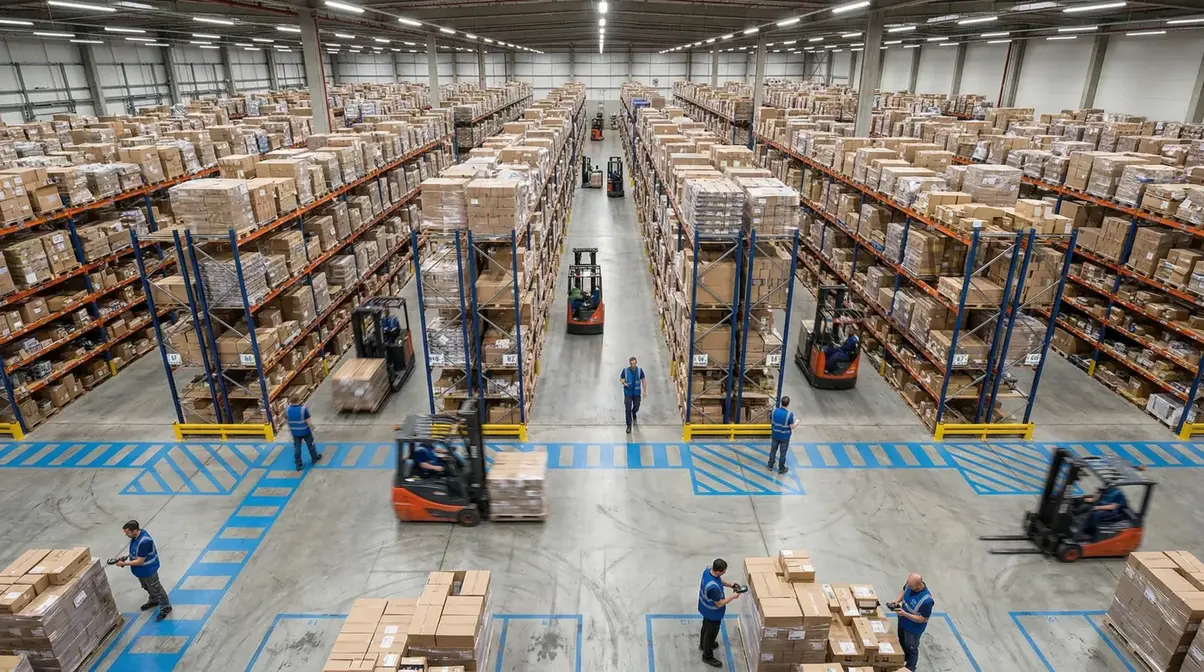
A physical hold may use a designated cage, room, rack section, pallet lane, sealed container, or clearly controlled area. The method must suit the product and facility layout, while protecting material from damage, deterioration, contamination, or mix-up during the hold period.
Each held unit should be clearly identified. A hold label commonly includes the item description, lot or batch code, quantity, hold date, reason or event reference, and status. The label should not replace the formal record; it is the visible signal that the material cannot be used or shipped.
Electronic inventory blocks
An ERP, warehouse management system, manufacturing execution system, or controlled inventory log can apply a blocked status to the same material. The electronic control should prevent normal issue, transfer, shipment, or consumption transactions unless an authorized person changes status.
Electronic blocking is especially important where product moves rapidly, where multiple warehouses share inventory, or where pallets may be picked by barcode. However, a system block alone may be insufficient if floor personnel cannot recognize held stock. Reconcile the system quantity to the physically quarantined quantity.
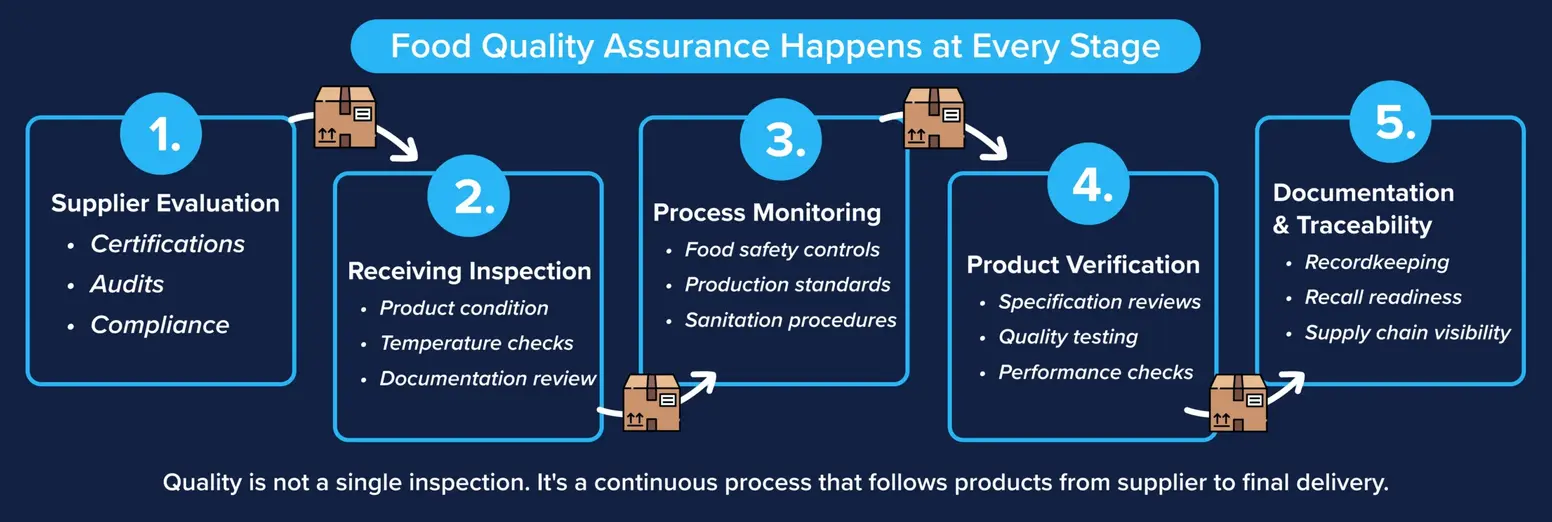
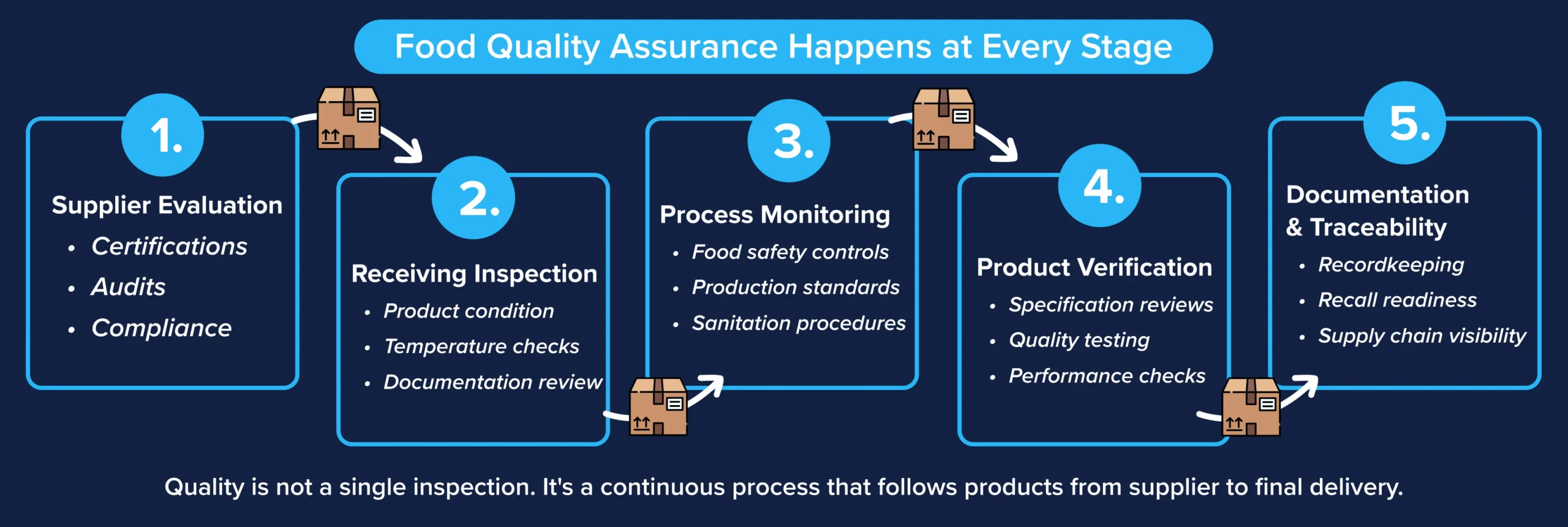
Source: arrowstream
4. Create QA deviation documentation that can be followed later
A complete hold record links the event, affected inventory, investigation, decision, and execution. It should allow a reviewer to answer four basic questions: What happened? What material was controlled? Why was the final decision made? Was the decision carried out?
A useful record typically includes:
| Record element | Why it matters |
|---|---|
| Hold or deviation number | Connects all related records and communications |
| Date and time | Establishes the event timeline and hold period |
| Material identification | Ties the decision to item, lot, batch, code, and quantity |
| Location and status | Shows where inventory was held and whether system blocking occurred |
| Reason for hold | States the observed deviation without speculation |
| Scope assessment | Documents related lots, rework, packaging, or shipments evaluated |
| Investigation evidence | Links records, inspections, test results, equipment data, and interviews |
| Disposition decision | States the approved outcome and decision basis |
| Authorization and verification | Shows who approved, who executed, and who confirmed completion |
Controlled forms can be paper-based, electronic, or integrated into a quality management system. The important point is that records are legible, attributable, protected from unauthorized changes, and retrievable with the associated production and traceability records.
5. Investigate product impact and root cause separately
The investigation has two related but distinct tasks.
First, assess the impact on the held product. Determine whether the deviation could affect food safety, legality, identity, quality, packaging integrity, labeling, or customer requirements. The evidence needed will depend on the event. It may include production records, monitoring results, equipment history, inspection findings, retained samples, supplier information, test results, sanitation records, or label reconciliation.
Second, determine why the deviation happened and what will prevent recurrence. Root cause may involve equipment condition, setup, procedures, training, maintenance, material control, supplier performance, sanitation practices, record review, or communication between shifts. Do not close a corrective action merely because the immediate symptom has been corrected.
For deviations involving a critical control point or preventive control, use the site’s documented food safety plan procedures. The disposition decision and corrective action must be consistent with that plan and with applicable requirements. Where the issue involves a possible regulatory or public-health concern, obtain qualified regulatory and food safety guidance rather than relying on a generic template.
6. Choose a controlled disposition
Disposition should be a formal decision, not a warehouse instruction. QA or another specifically authorized function should approve release or alternative use only after reviewing the investigation and verifying that applicable requirements have been met.
Common disposition outcomes include:
- Release: Material meets established acceptance criteria and can return to normal inventory.
- Rework or reprocessing: Material may be used only through an approved, controlled route when the site has determined that route is appropriate.
- Reconditioning: Material is corrected through a documented method that has been shown suitable for the issue.
- Return to supplier: Incoming material is returned under controlled documentation.
- Downgrade or alternate use: Only where permitted by product requirements and supported by an authorized assessment.
- Destruction or disposal: Material is rendered unusable or disposed of in a way that prevents unintended use and protects other food from contamination.
A release should include a positive status change in the inventory system, removal or replacement of hold identification, and confirmation that released quantity matches the disposition record. A destruction record should identify the material, quantity, method, date, and responsible parties, with any required verification.
7. Verify closure and learn from recurring events
Closing the hold record is not the same as closing the corrective action. Verify that all held inventory has been accounted for, that the selected disposition was completed, and that no blocked material remains in an unrecognized location or system status.
Then review whether corrective and preventive actions were completed by their assigned owners and whether they worked. Trend repeat deviations by line, product family, supplier, shift, equipment, defect type, or cause category. Repeated holds often indicate that the site is containing events without addressing their underlying drivers.
Common failures in food safety deviation management
Several weaknesses can undermine an otherwise well-written procedure:
- Applying a hold label but leaving inventory available in the warehouse system.
- Holding only the currently visible pallet rather than tracing the full affected range.
- Allowing production staff to release material without documented QA authorization.
- Treating test results as the only evidence while overlooking process and sanitation records.
- Failing to account for rework, transfers, samples, staged orders, and shipped quantities.
- Recording a final disposition without verifying that it was executed.
- Closing the deviation without evaluating whether corrective action prevented recurrence.
Practical hold procedure checklist
Before approving a hold-and-release process, confirm that the plant can answer yes to these questions:
- Are hold triggers and escalation contacts clear to production, warehouse, maintenance, and QA personnel?
- Can the site identify affected lots and related product movements quickly?
- Can held material be visibly segregated and electronically blocked?
- Does the hold record capture quantities, locations, lot identifiers, and event timing?
- Are release and disposition authorities defined in writing?
- Is there a controlled method for rework, return, destruction, and record retention?
- Can the facility reconcile physical inventory with system status before closure?
- Are recurring deviations trended and reviewed by the food safety or quality team?
A food production hold procedure is most reliable when it is practiced before an urgent event. Periodic mock holds, traceability exercises, and reviews of actual deviations can reveal unclear labels, inventory gaps, weak escalation paths, or release controls that are too easy to bypass.
References
- Industry Best Practices for Holding Tested Products. (n.d.). https://www.bifsco.org/Media/BIFSCO/Docs/holding_tested_products_sept2005.pdf
- What Happens During an FSIS Test and Hold. (n.d.). https://ofwlaw.com/usda-fsis-test-and-hold-policy
- How to Handle Non-Conforming Product | Food Safety Magazine. (n.d.). https://www.food-safety.com/articles/10911-how-to-handle-non-conforming-product
- Edition 9 - Food Safety Code: Food Manufacturing. (n.d.). https://www.sqfi.com/docs/sqfilibraries/code-documents/edition-9/code-pdfs/20227fmin_foodmanufacturing_v3-2-final-w-links.pdf
- Food Manufacturing Compliance | Quality Management Best Practices - Miratag. (n.d.). https://miratag.com/en/blog/food-manufacturing-compliance-quality-management
- Questions and Answers on Current Good Manufacturing Practice Regulations | Production and Process Controls | FDA. (n.d.). https://www.fda.gov/drugs/guidances-drugs/questions-and-answers-current-good-manufacturing-practice-regulations-production-and-process
- eCFR :: 21 CFR Part 117 – Current Good Manufacturing Practice, Hazard Analysis, and Risk-Based Preventive Controls for Human Food. (n.d.). https://www.ecfr.gov/current/title-21/chapter-I/subchapter-B/part-117
- Small Entity Compliance Guide: Current Good Manufacturing Practice in Manufacturing, Packaging, Labeling, or Holding Operations for Dietary Supplements | FDA. (n.d.). https://www.fda.gov/regulatory-information/search-fda-guidance-documents/small-entity-compliance-guide-current-good-manufacturing-practice-manufacturing-packaging-labeling