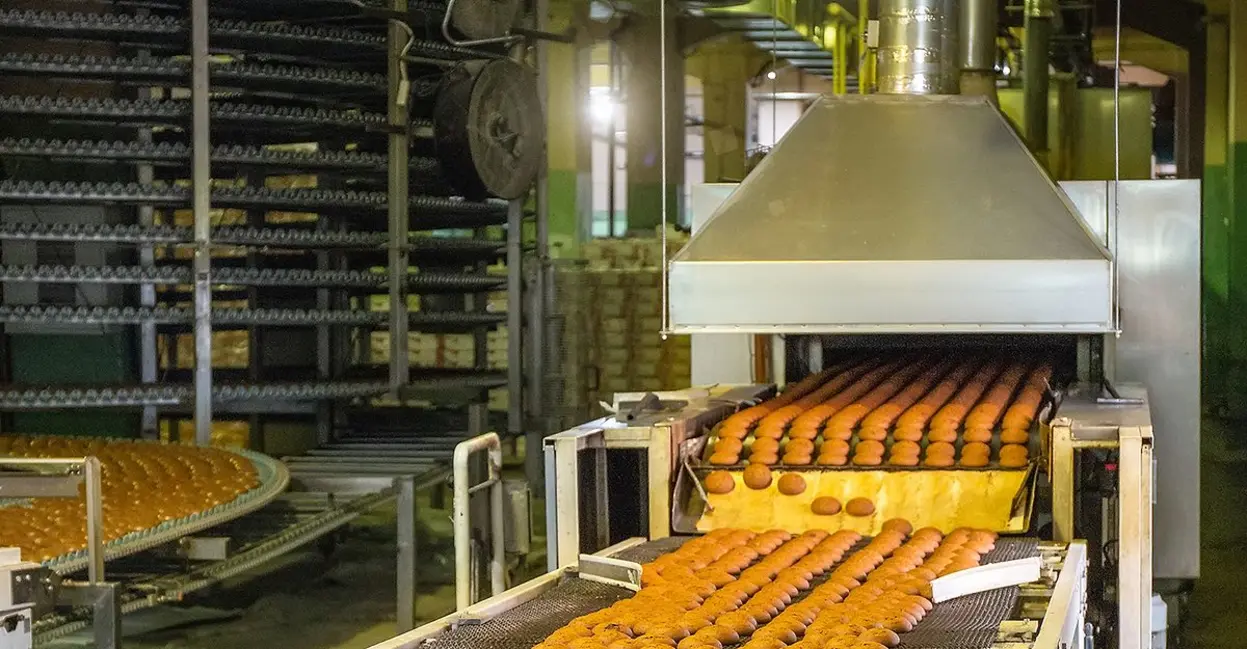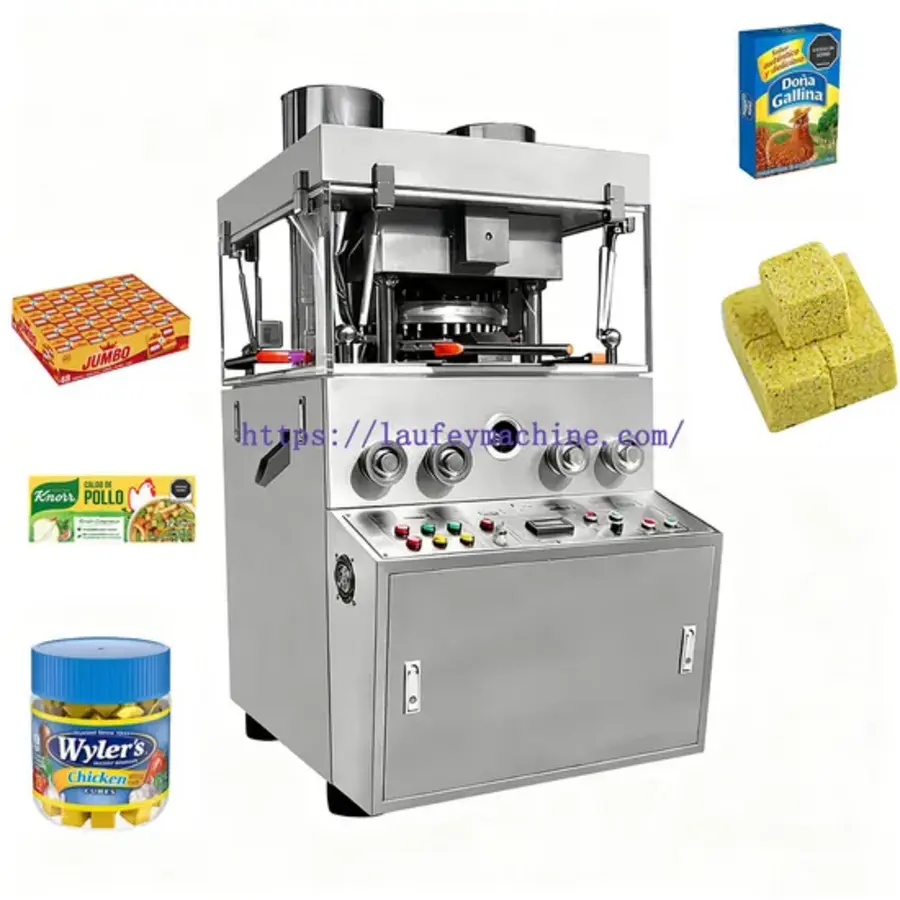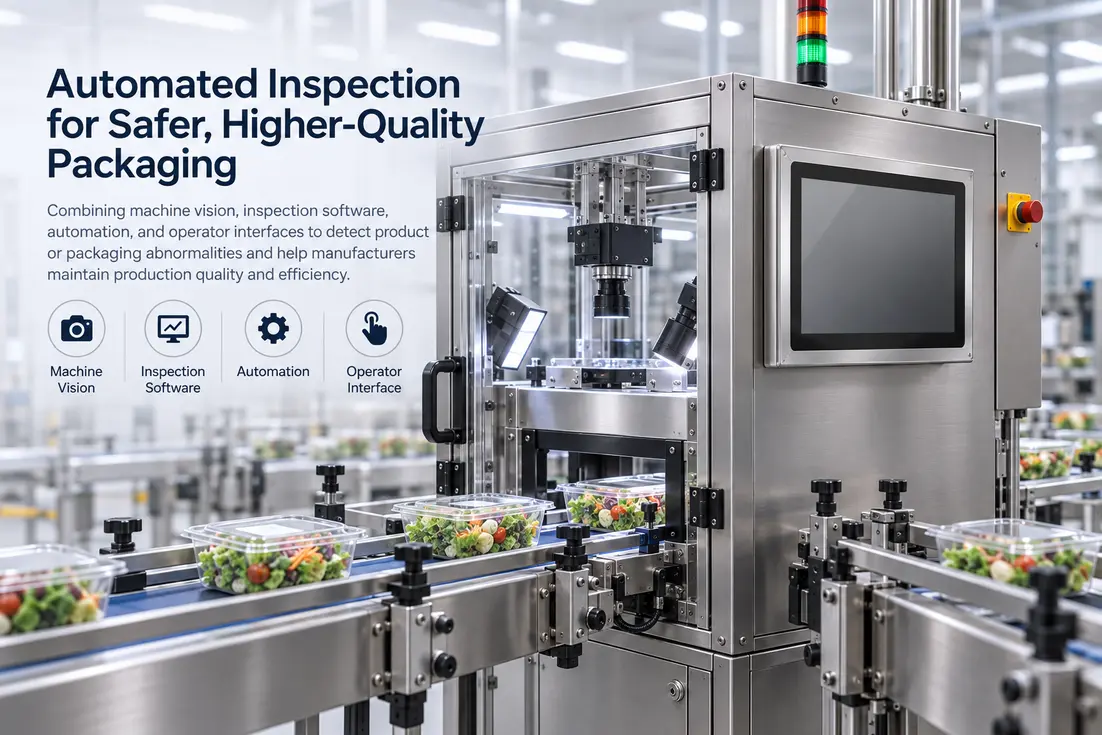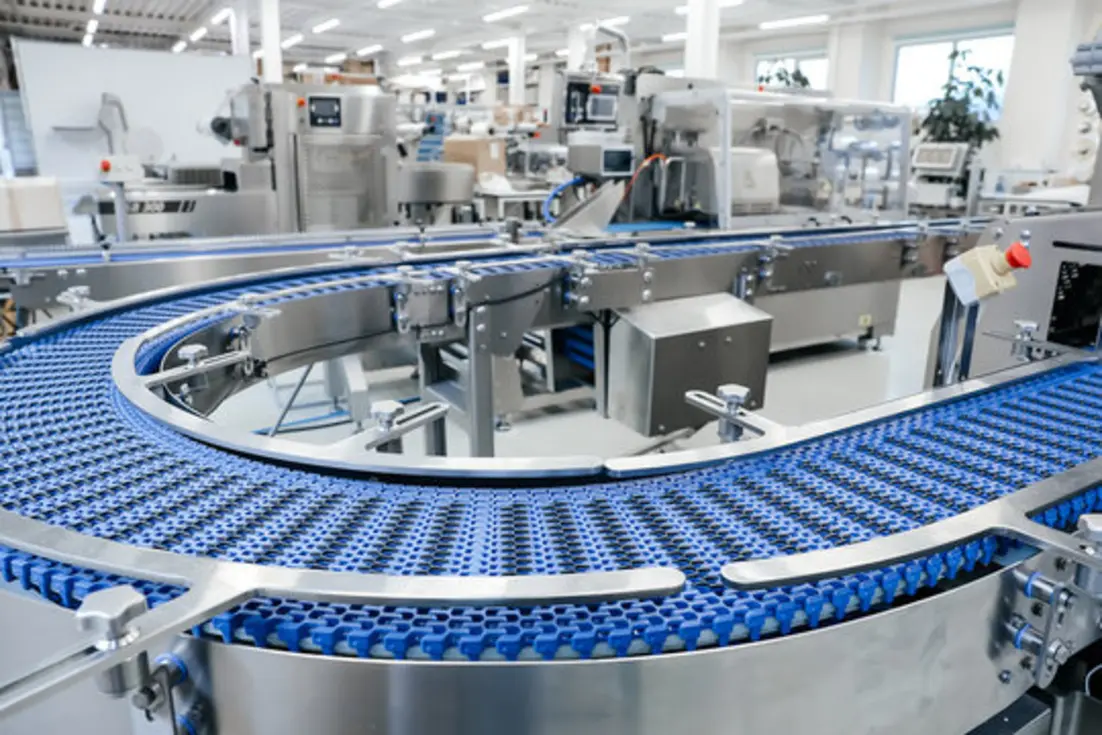
A new line should usually launch with a small, controlled product family rather than every flavor, pack size, ingredient variation, and sales concept planned for the first year. Effective food production line SKU planning starts by choosing products that share as much of the process as possible, then proving the complete flow through trials. The aim is not simply to make saleable product; it is to learn where capacity, changeovers, labor, storage, quality checks, and packaging limit the line.
A line can appear capable when each machine is considered separately and still struggle when products move between machines, people, rooms, and storage areas. A practical startup plan therefore treats every SKU as an operational route. Expand the range only after that route is stable, documented, and repeatable.
Start with a controlled product family
The first commercial SKUs should be deliberately similar. This reduces the number of variables being introduced while operators are still learning the equipment and the actual performance of the process.
A controlled launch family commonly shares most of the following:
- The same main raw-material base and supplier specifications
- The same preparation, mixing, cooking, forming, cooling, or other core process steps
- The same package type, closure method, and case format
- Similar fill weights or portion sizes
- The same label placement and inspection requirements
- Similar storage conditions and distribution handling
- A compatible cleaning and changeover sequence
For example, several flavors in one package format may be easier to launch than one flavor sold in several pouch, tray, carton, and multipack formats. The flavor changes may still require scheduling controls, verification, and cleaning considerations, but multiple packaging formats can add different tooling, film or label setups, case-packing arrangements, inspection settings, and warehouse locations.
The right initial range is not always the range with the fewest SKU codes. Two SKUs may look different commercially yet run almost identically. Conversely, two similar-looking products can create very different operating demands if one needs a different ingredient handling method, viscosity range, thermal process, inclusion level, packaging material, or storage route.
Classify proposed SKUs by operational complexity
Before approving a launch list, group each proposed SKU according to the changes it creates. A simple matrix helps separate commercial variety from manufacturing variety.
| SKU attribute | Questions to ask | Likely operational effect |
|---|---|---|
| Formula | Does it change mixing behavior, texture, particulate handling, or processing conditions? | May affect throughput, yield, equipment settings, and quality checks |
| Ingredients | Does it require new receiving, storage, staging, or segregation practices? | May add material-handling and inventory complexity |
| Package format | Does it require different forming, filling, sealing, labeling, or case packing? | Can create setup, tooling, and line-balance issues |
| Pack size | Does it change fill volume, dwell time, coding, secondary packaging, or pallet pattern? | May reduce speeds or require adjustments downstream |
| Product claims or labeling | Does it require different artwork, label control, or release documentation? | Adds planning and verification work |
| Storage and distribution | Does it use a different storage zone, handling route, or shelf-life management approach? | Can constrain warehouse and dispatch flow |
Use this review to identify a “base SKU”: the product with the simplest and most representative route through the line. Launch that product first where possible. Add variants one at a time, starting with those that create the least additional process change.
Map the full product route, not just the equipment sequence
A new food production line startup often focuses on the primary processing equipment: mixer, cooker, depositor, former, filler, freezer, oven, or similar centerpiece of the operation. That equipment matters, but bottlenecks frequently emerge before or after it.
For every initial SKU, create a route map from receipt through dispatch. Include physical movement, waiting points, manual handling, checks, and information handoffs.
The map should cover:
- Receiving and quarantine: Where do ingredients and packaging arrive, get checked, and wait for release?
- Raw-material storage: Is there enough accessible space for the quantity needed for a realistic run, including return materials and partial pallets?
- Staging and preparation: Who picks materials, where are they staged, and can that activity occur without blocking production traffic?
- Core processing: What equipment performs each transformation, and what conditions or settings must remain consistent?
- Intermediate holds and buffers: Where can product safely wait if a downstream machine stops? Where must it not wait? These decisions should be validated against the product process and the facility’s food-safety plan.
- Primary packaging: Can the packer accept product at the rate delivered by processing, including normal variation and short interruptions?
- Inspection, coding, and secondary packaging: Are check steps, labeling, case packing, and rework handling matched to the main line’s output?
- Finished-goods storage and dispatch: Can cases be moved, identified, held, and shipped without creating congestion or traceability gaps?
A route map also exposes conflicts that equipment layouts can hide. A pallet jack crossing an ingredient staging area, operators sharing a narrow access point, or cases accumulating near a packaging machine may seem minor during a demonstration run. They can become the daily limit on output once several activities happen at once.
Set a launch SKU rule before sales demand expands
Commercial teams naturally want more variants available at launch. Operations needs a visible rule for deciding when a proposed SKU can enter the schedule.
A useful rule is: no new SKU is released for routine production until its process route, specifications, changeover needs, packaging setup, material requirements, and quality-release method have been reviewed and successfully trialed.
This does not mean every product must wait for a long history of full-scale production. It means the organization should distinguish between a product concept and a production-ready SKU. A SKU is not ready simply because the formula is approved or packaging artwork is complete.
For each candidate, record whether it introduces a new:
- Ingredient or supplier approval path
- Process step or operating window
- Contact part, tool, or machine setting
- Packaging material or package geometry
- Label, code, or inspection setting
- Cleaning or changeover requirement
- Storage location or distribution condition
- Training requirement for operators, warehouse staff, or quality personnel
If several “new” items appear in one SKU, defer it until the base family is running predictably. Combining a new formula, new package, and new case configuration in one launch can make it difficult to determine which variable caused a problem.
Run structured trials that answer operational questions
Startup trials should be planned as learning events, not informal production attempts. A trial can demonstrate that a machine runs, but the more valuable result is a documented understanding of how the whole system behaves.
Build a trial sheet for each SKU or product family. Define the inputs, target sequence, observations, decisions, and open actions before the run begins.
What to observe during a trial
Track the points where work accumulates, stops, is repeated, or needs manual intervention. Important observations include:
- Actual output at each major process stage
- Start-up losses, rejects, and product held for evaluation
- The longest recurring stoppages and their causes
- Product accumulation or starvation between machines
- Operator tasks that cannot be completed within the production rhythm
- Delays caused by material replenishment, packaging changes, or case handling
- Access problems during adjustments, inspection, cleaning, or maintenance
- Finished-product movement and storage congestion
- Information delays involving batch records, labels, approvals, or production instructions
Avoid treating a single successful run as proof of normal capacity. A startup line needs trials that include routine conditions: start-up, planned replenishment, normal changeovers, brief interruptions, cleaning, and restart. The schedule should allow time to investigate deviations rather than pushing every trial toward shipment.
For food-safety, sanitation, process-control, and labeling requirements, use the site’s validated procedures and applicable official requirements. Product-specific limits, cleaning methods, verification activities, and release criteria should be established by qualified personnel rather than assumed from another product or line.
Find the constraint in the connected system
The bottleneck is the point that limits sustained output, not necessarily the largest or most expensive machine. It may be a depositor, a cooling stage, a manual inspection task, a label change, a case-packing station, or the available space for finished pallets.
Look for three common constraint types.
Rate constraints
A downstream station cannot consistently accept the output of the preceding station. Product then accumulates, or the upstream equipment must slow or stop. Compare practical sustained rates rather than nameplate rates alone.
Changeover constraints
The line runs well on one SKU but loses large portions of available time when shifting recipes, pack formats, labels, or cases. Early SKU rationalization is often the most economical response. It may be better to schedule fewer, longer runs of compatible products than to add equipment before the true changeover burden is understood.
Flow constraints
Materials, people, packaging, waste, rework, and finished goods compete for the same routes or staging areas. These problems are especially common in compact startup facilities, where physical layout was designed around machines rather than daily movement.
Document each constraint with its location, frequency, operational effect, suspected cause, temporary workaround, owner, and next action. This turns anecdotal complaints into a usable improvement list.
Build the initial schedule around compatibility
At startup, scheduling should protect learning and stability. Group products that use similar ingredients, packaging, settings, and downstream handling. Limit the number of changeovers until their duration and risks are understood.
A sensible early schedule often begins with the base SKU, then adds a closely related variant, followed by a packaging or size variation only after the core product flow is stable. This sequence makes troubleshooting easier because each step adds a limited number of new variables.
Do not schedule the line at its theoretical maximum while commissioning is still underway. Allow practical time for material staging, checks, adjustments, sanitation activities, maintenance access, and documentation. A plan that ignores these tasks may show high utilization on paper while producing recurring disruption on the floor.
Use a gate for SKU expansion
SKU expansion should be a planned decision, not an automatic response to a marketing calendar. Establish a short readiness review before adding the next product.
SKU expansion checklist
- Has the current SKU family run repeatedly through the full process route?
- Are the main stoppages and losses recorded and understood?
- Is the limiting step known under normal operating conditions?
- Can operators complete routine tasks without relying on improvised workarounds?
- Are ingredients, packaging, and finished goods moving through defined locations?
- Are changeover steps documented, staffed, and practical for the intended schedule?
- Have required product, packaging, labeling, and quality controls been verified through the site’s approved system?
- Is there adequate maintenance access and time to address recurring issues?
- Does the next SKU add one manageable source of complexity rather than several at once?
If the answer to several questions is no, the right action is usually to stabilize the existing range, not to add variety.
Common planning mistakes
The most frequent mistake is defining the launch range from customer-facing differences alone. A different label or flavor may appear minor, while the associated packaging setup, ingredient staging, cleaning sequence, or warehouse handling changes may be substantial.
Another mistake is selecting equipment based only on average expected volume. The line must also handle product variability, short stops, replenishment, inspection, planned changeovers, and the physical transfer of materials. Capacity should be evaluated as a system property.
Finally, avoid assuming that flexibility means launching everything immediately. Flexible equipment can support future expansion, but a disciplined initial range is what gives the team time to establish stable operating methods and identify where investment or redesign is actually needed.
The strongest food production line SKU planning approach is progressive: establish a base product family, map its complete flow, trial it under realistic conditions, document constraints, and add complexity only when the operation can absorb it. That sequence produces better data for equipment decisions and a more reliable path to product-range growth.
References
- How To Launch A New Manufacturing Line - Food Processing. (n.d.). https://www.foodprocessing.com/on-the-plant-floor/plant-operations-and-engineering/article/11368851/production-operations-how-to-launch-a-new-manufacturing-line
- How to Build a Food Production Line for Your Business. (n.d.). https://heysutton.com/blog/food-production-line
- Food Processing Supply Chain Planning: Key Challenges. (n.d.). https://arkieva.com/blog/food-processing-supply-chain-planning
- How to Engineer a Production Line for Food …. (n.d.). https://www.profoodworld.com/facilities-design-infrastructure/article/22927495/how-to-engineer-a-production-line-for-food-product-attributes
- Three steps for developing a food manufacturing plan - Plant Engineering. (n.d.). https://www.plantengineering.com/three-steps-for-developing-a-food-manufacturing-plan
- Food production line: definition, processes and challenges. (n.d.). https://mae-innovation.com/en/food-production-line-definition-steps-and-essential-equipment
- What Is a Food Production Line? Equipment, Process & Cost Guide (2026). (n.d.). https://zhuohengextruder.com/what-is-a-food-production-line
- Food Processing Facility Requirements for Modern Manufacturing. (n.d.). https://www.bakfoodequipment.com/food-processing-facility-requirements