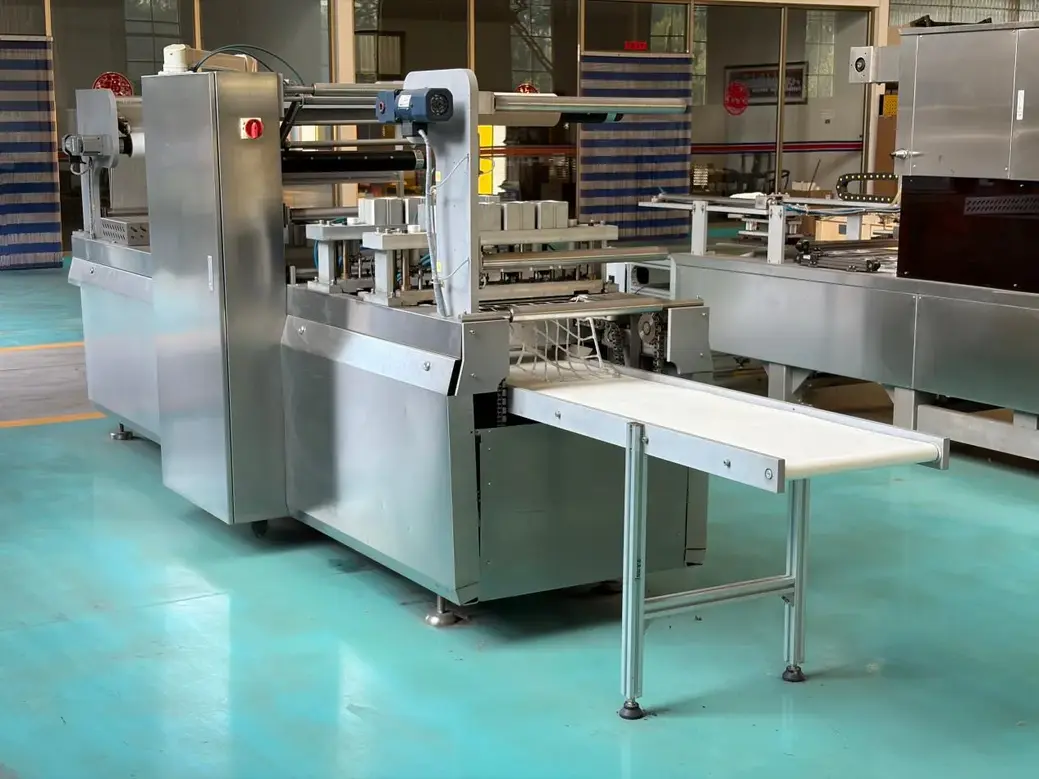
Small brands should select a food-safe kitting and repacking provider by qualifying the provider’s actual process, not simply its ability to assemble boxes. The right partner can receive sealed product and packaging components, verify materials, preserve lot identity, complete vacuum sealing or secondary packing as required, inspect finished kits, and transfer labeled cartons to the next logistics partner with documented accountability.
Start by mapping the work in detail. A provider that is suitable for assembling pre-sealed pouches into retail kits may not be suitable for handling exposed food, applying a vacuum seal, managing allergen-bearing components, or releasing finished cases to retail distribution. The selection decision should match the provider’s documented scope, facility controls, equipment, records, and staffing model to the risks of your product.
Define the work before requesting quotes
“Kitting,” “repacking,” and “contract packaging” cover different activities. Ambiguous scope is a common source of quality failures, unexpected charges, and responsibility gaps.
Create a process map that starts when materials arrive and ends when finished cartons are accepted by freight, fulfillment, or a retailer-facing distribution partner. Identify every handling step, including:
- Receiving pallets, pouches, labels, cartons, inserts, and display components
- Inspecting inbound materials for count, visible damage, and correct identity
- Storing components by SKU, lot, date code, and any handling restriction
- Vacuum sealing, if the provider is responsible for creating or resealing packs
- Applying labels, coding, bundling, cartoning, shrink wrapping, or case packing
- Assembling variety packs, gift sets, promotional bundles, or multipacks
- Inspecting kit contents, label placement, seals, and carton condition
- Palletizing, staging, loading, and transferring shipment records
Be especially clear about whether product arrives already in its final food-contact package. If the provider only handles fully sealed units, the scope may be secondary packaging and assembly. If it opens packs, fills product, changes primary packaging, or seals food into a new package, the process has substantially different food-safety, equipment, validation, and documentation requirements.
Match the provider to your product risk
A small-batch food contract packing project is not automatically simple because the run is small. Short runs can create more changeovers, more manual handling, and more opportunities to mix components or labels.
Ask prospective providers to explain how they would manage the specific risks of your product. Useful questions include:
- Will personnel ever handle exposed food, or only closed consumer units?
- Is the product shelf-stable, refrigerated, frozen, fragile, oily, powdered, or prone to package damage?
- Does the product contain ingredients or components requiring allergen controls?
- Are there lot codes, expiration dates, or best-by dates that must remain visible and accurately associated with finished kits?
- Does the kit combine multiple food items from different suppliers or lots?
- Are packaging materials approved for their intended food-contact use where applicable?
- Does the product require a particular orientation, protective insert, or handling limit?
Do not assume a general fulfillment warehouse is equipped for food work just because it can pick and pack consumer goods. Likewise, a food manufacturer may not be efficient at highly variable promotional kits. The best fit is a provider whose routine work resembles your required process.
Evaluate vacuum-seal capability separately
“Vacuum seal contract packaging” can mean several different services: placing a finished item in a bag, evacuating air and sealing the package, inspecting an existing seal, or putting already sealed packages into a secondary kit. These are not interchangeable capabilities.
If the provider will vacuum seal food or product-bearing packs, request a technical review of the proposed packaging operation. It should address the pouch or film specification, package dimensions, product presentation, seal area, coding location, inspection method, and how the provider handles rejected packs. Confirm who owns package design, seal-performance requirements, and any needed product or shelf-life assessment.
The provider should also explain how it controls the vacuum-sealing equipment during a run and after changeover. Rather than accepting a generic assurance that seals are “checked,” ask what is checked, how often the checks are performed under the agreed work instructions, who records them, how a failed check is escalated, and what happens to potentially affected product.
For projects involving food safety or product stability, have the brand’s qualified food-safety, packaging, and regulatory resources confirm the suitability of the package and process. A kitting provider should not be assumed to own technical decisions that belong to the product manufacturer or brand.
Audit hygiene controls and product segregation
A repacking service provider audit should focus on what happens in the actual work area, not only on a certificate or sales presentation. Certification can be a useful qualification signal, but it does not replace reviewing the scope of certification, the relevant operation, and the controls used for your project.
During a site visit or remote audit, review the condition and layout of receiving, storage, assembly, packaging, rework, waste, and shipping areas. Look for a practical separation between incoming materials, approved components, work in process, finished goods, and materials on hold.
Ask to see how the provider manages:
- Employee hygiene, training, and access to food-handling areas
- Housekeeping and sanitation procedures appropriate to the operation
- Chemicals, glass, brittle plastics, pests, and maintenance activity
- Damaged or leaking packs and product spills
- Allergen-containing products and changeover between projects
- Product, component, and label storage
- Quarantine or hold procedures for suspect material
- Visitor and contractor controls
The appropriate controls depend on the product and process. A facility handling closed, shelf-stable pouches has different needs from one that opens food packages or fills products. The provider should be able to show that its controls are based on the work it performs rather than offering vague assurances of being “food grade.”
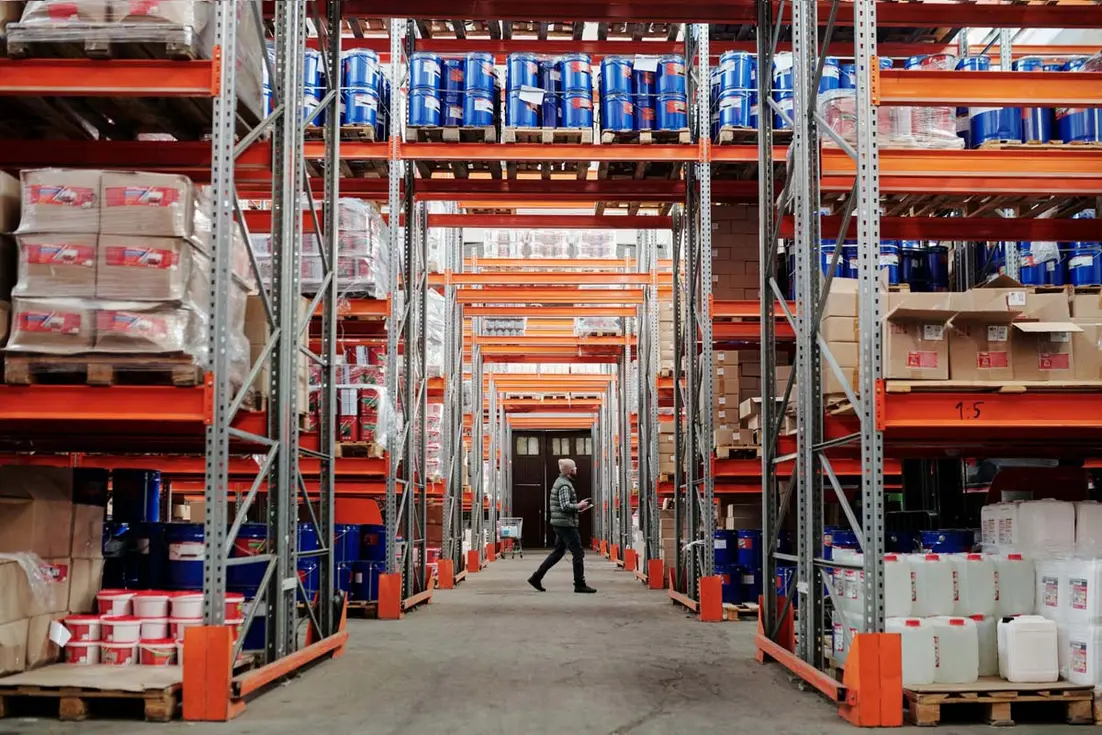
Source: dvunified
Make lot control a non-negotiable requirement
For food kits, the finished retail unit can combine several components, each with its own lot or date code. That creates a traceability challenge: the provider must connect the lots consumed during assembly to the finished kit lot, production date, shipment, and destination.
Ask the provider to demonstrate the record trail for a recent comparable job. The records should allow the brand to answer practical questions: Which inbound lots were used in a particular finished run? Which finished cases contain a given component lot? Which customer shipments received those cases? What inventory remains in the building?
A workable system can be digital, paper-based, or a combination, provided it is controlled, legible, and consistently followed. What matters is that lot identity is preserved through receiving, storage, staging, assembly, inspection, and shipping.
Documentation to require in the work order
| Record or control | Why it matters |
|---|---|
| Approved bill of materials and kit configuration | Prevents substitution or omission of components. |
| Master sample or approved visual standard | Gives operators and inspectors a clear reference for the finished kit. |
| Lot and date-code instructions | Defines what must be captured and what must remain visible. |
| Packaging and label approvals | Reduces the risk of using obsolete artwork or incorrect labels. |
| In-process and final inspection records | Shows that agreed checks were performed. |
| Hold, deviation, and rework process | Establishes who decides disposition when something is wrong. |
| Shipment and transfer records | Maintains accountability through the freight or fulfillment handoff. |
Assess quality checks, not just assembly labor
Manual assembly is often appropriate for small batches, complex gift packs, and variable SKU combinations. But manual work needs a designed quality system. A provider should describe how it prevents and detects missing items, wrong varieties, damaged packages, incorrect labels, weak-looking seals, and incorrect case counts.
Review the proposed inspection plan before production. It should define the finished-kit standard, inspection points, responsible roles, acceptable handling of nonconforming units, and how the provider communicates issues to the brand. For a new program, consider a documented first-article or startup approval before the full run proceeds.
Also clarify rework. A provider should not rework, relabel, open, reseal, or otherwise alter product without written authorization and a defined procedure. Rework can affect lot records, label accuracy, package integrity, and product disposition.
Check small-batch economics and operating flexibility
The lowest per-unit quote can be misleading. Small batches often require receiving appointments, setup, line clearance, artwork review, manual assembly, inspection, pallet configuration, and outbound coordination. Ask for a quote that separates recurring unit charges from setup, storage, receiving, materials handling, changeover, rush work, and special inspection costs.
Capacity matters, but flexibility often matters more for emerging brands. Discuss minimum run sizes, lead times, storage limits, seasonal demand, urgent replenishment, SKU changeovers, and whether the provider can support pilot runs without treating them as an exception.
A capable food-safe 3PL kitting operation should also be candid about its limits. A provider that declines a project because it cannot safely support a required process may be more reliable than one that agrees to every request without a clear operating plan.
Define the handoff to freight or fulfillment
The final handoff is part of the packaging operation. Finished kits can still be damaged, mixed, lost, or shipped with the wrong documents after assembly is complete.
Determine who is responsible for booking carriers, preparing bills of lading, applying routing-guide labels, confirming pallet counts, and sending advance shipment information. If cartons move to another fulfillment provider, specify the receiving requirements, such as pallet configuration, carton labels, SKU identifiers, lot information, and appointment rules.
Require a documented transfer point. The provider should identify when custody changes, what records accompany the shipment, and how discrepancies are reported. This is particularly important when a brand uses separate companies for kitting, storage, and order fulfillment.
A practical provider-selection checklist
Before awarding the work, confirm that the provider can answer “yes” to the questions that apply to your project:
- Can it perform the exact scope, including any vacuum sealing, without relying on undefined subcontracting?
- Can it segregate your components, lots, labels, and finished goods from other work?
- Can it show procedures for receiving, holds, changeovers, inspection, and release?
- Can it maintain lot and date-code traceability from inbound receipt through outbound shipment?
- Can it manage the hygiene and allergen risks relevant to the products it handles?
- Can it provide approved work instructions, visual standards, and production records?
- Can it identify, contain, and communicate nonconforming product?
- Can it meet the required kit configuration, packaging checks, carton specifications, and delivery handoff?
- Can it support your batch size and timing without compromising control?
- Can it provide a clear commercial scope, including setup and exception charges?
The strongest choice is usually not the provider with the broadest list of services. It is the one that can clearly demonstrate control over your specific product flow, can document every important handoff, and is willing to establish responsibilities before materials arrive. For small-batch vacuum-sealed products, that discipline is what turns outsourced assembly into a controlled packaging operation rather than an avoidable source of risk.
References
- Food Kitting and Assembly: Choosing the Right Contract Packaging Partner | GreenSeed. (n.d.). https://greenseedcp.com/kitting-and-assembly-in-food-packaging
- CPG Kitting, Variety Packs & Contract Packaging | RELY. (n.d.). https://relycm.com/industries/food-beverage-consumer
- Committing to Food-Safe Packaging with GFSI. (n.d.). https://www.packagingcorp.com/resource-hub/industry-insights/committing-to-food-safe-packaging-with-gfsi
- Food Repackers: Challenges in the Industry. (n.d.). https://www.econo-pak.com/articles/food-repackers-challenges-in-the-industry
- The Secret Sauce to Food Contract Packing Success. (n.d.). https://hanzologistics.com/food-contract-packing-dont-bite-off-more-than-you-can-chew
- Food Packaging Certification. (n.d.). https://www.nsf.org/food-beverage/food-packaging/food-packaging-certification
- Co-Packing Packaging and Assembly Services for Food …. (n.d.). https://copackingexpress.com/co-packing-packaging-and-assembly-services
- 3PL Kitting & Assembly Services | Prep Partners Group. (n.d.). https://preppartnersgroup.com/kitting