A practical preventive maintenance schedule for food processing equipment is not a long list of calendar tasks. It is an asset-based plan that assigns the right work to the right people at intervals the plant can actually support. It should connect equipment manuals, known failure modes, sanitation exposure, food-safety risk, production windows, and findings from completed work orders.
Start with the equipment that can stop production, create a food-safety or quality concern, or cause an expensive recovery after failure. Build short, repeatable operator checks around those assets, then reserve technician time for inspections, lubrication, calibration, alignment, wear-part work, and condition monitoring that require greater skill or a planned shutdown.
1. Build an asset list before creating task frequencies
A schedule cannot be stronger than the equipment information behind it. Create an asset register that identifies each machine or maintainable system, its location, production line, manufacturer information, and the components most likely to require attention.
For a food line, do not stop at major machines. Include supporting systems that can affect throughput, product condition, or sanitation, such as:
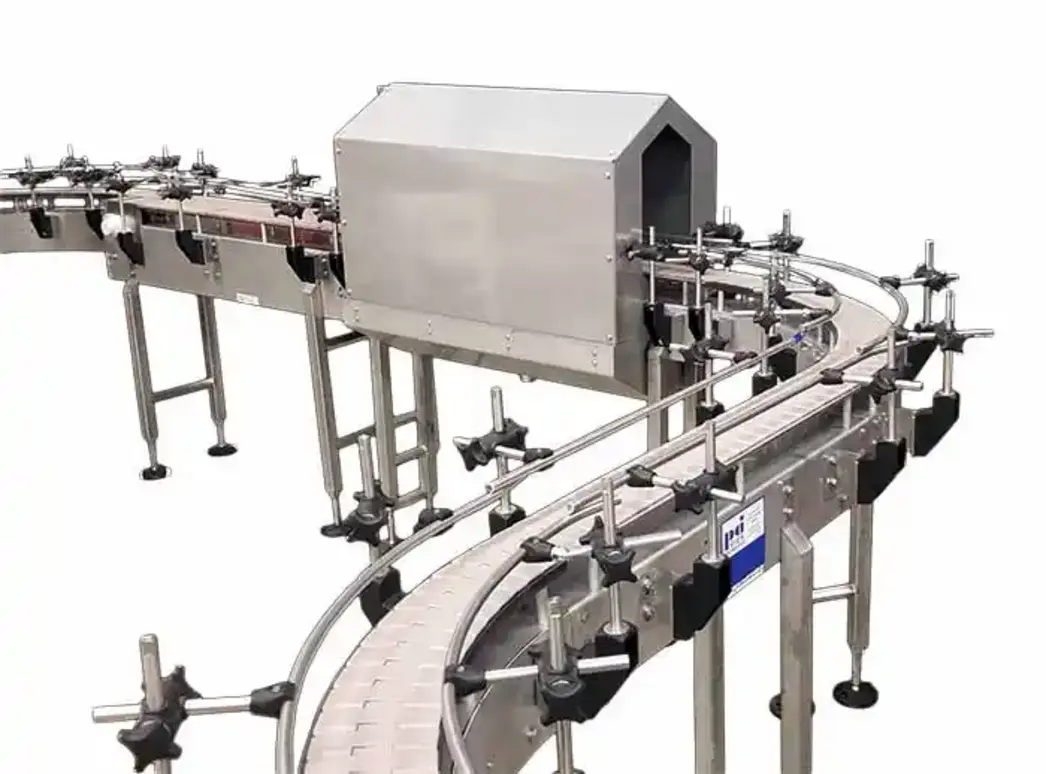
- Conveyors, belt drives, chains, bearings, and gearmotors
- Mixers, pumps, valves, screens, and product-contact seals
- Fillers, depositors, checkweighers, metal detectors, and packaging machines
- Refrigeration, compressed air, vacuum, steam, and water systems
- Electrical panels, sensors, safety devices, and controls
- CIP equipment or other cleaning-related systems where applicable
For each asset, record the manual-recommended maintenance tasks and intervals. Manufacturer guidance is the starting point, not an automatic final schedule. A component operating in a wet, corrosive, dusty, high-temperature, or frequent-washdown area may need a different approach than the same component in a protected environment.
Add a simple criticality rating
Use a practical criticality ranking such as high, medium, or low. Rate each asset against these questions:
| Question | Why it matters |
|---|---|
| Would failure stop the line or a major process step? | Determines downtime exposure and response priority. |
| Could failure affect product safety, quality, or traceability? | Identifies equipment requiring documented attention and escalation. |
| Is there a safe manual backup or alternate line? | Reduces the consequence of some failures. |
| Does the asset have a history of recurring faults? | Points to work that may need more frequent review or redesign. |
| Are parts difficult to obtain or slow to install? | Supports spare-parts planning and planned replacement. |
A high-criticality asset does not necessarily need more calendar PMs. It needs a well-defined maintenance strategy, appropriate spares, clear escalation rules, and scheduled access to the machine.
2. Separate operator care from technician maintenance
Lean teams usually get better results by assigning simple, safe, observable checks to operators while preserving technician time for skilled work. This is often described as operator care or autonomous maintenance.
Operators are close to the process and can detect changes early. Their routine should be brief enough to fit the shift and specific enough to produce useful findings.
Daily operator care tasks
A food plant maintenance checklist for operators may include:
- Look for product buildup, loose hardware, leaks, damaged guards, and unusual wear.
- Listen for abnormal noise from motors, bearings, gearboxes, pumps, or conveyors.
- Observe vibration, tracking problems, inconsistent product movement, or poor package handling.
- Check that visible safety devices and emergency stops are not obstructed or damaged, following site procedures.
- Report damaged seals, gaskets, belts, hoses, or food-contact surfaces.
- Verify that cleaning-related conditions are normal for the equipment, such as drainage, access covers, or areas prone to residue accumulation.
These checks should not ask operators to bypass guards, open energized panels, alter machine settings outside their authorization, or perform lubrication and adjustment tasks without training and documented procedures.
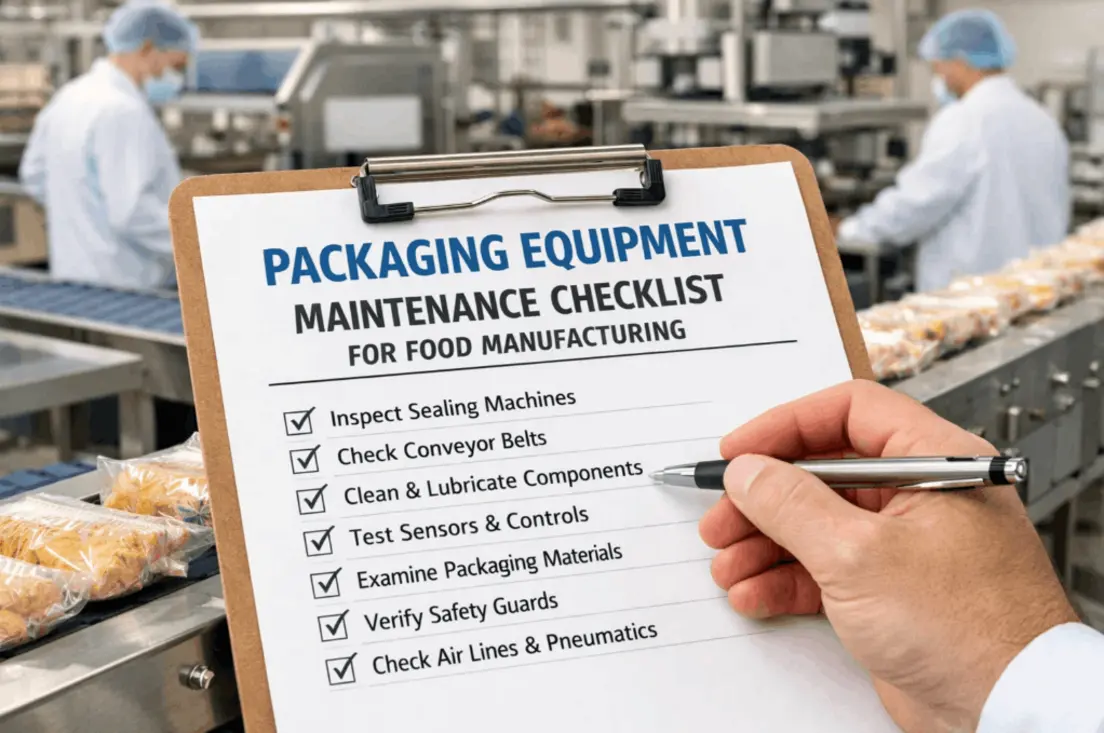
Source: oxmaint
Technician tasks
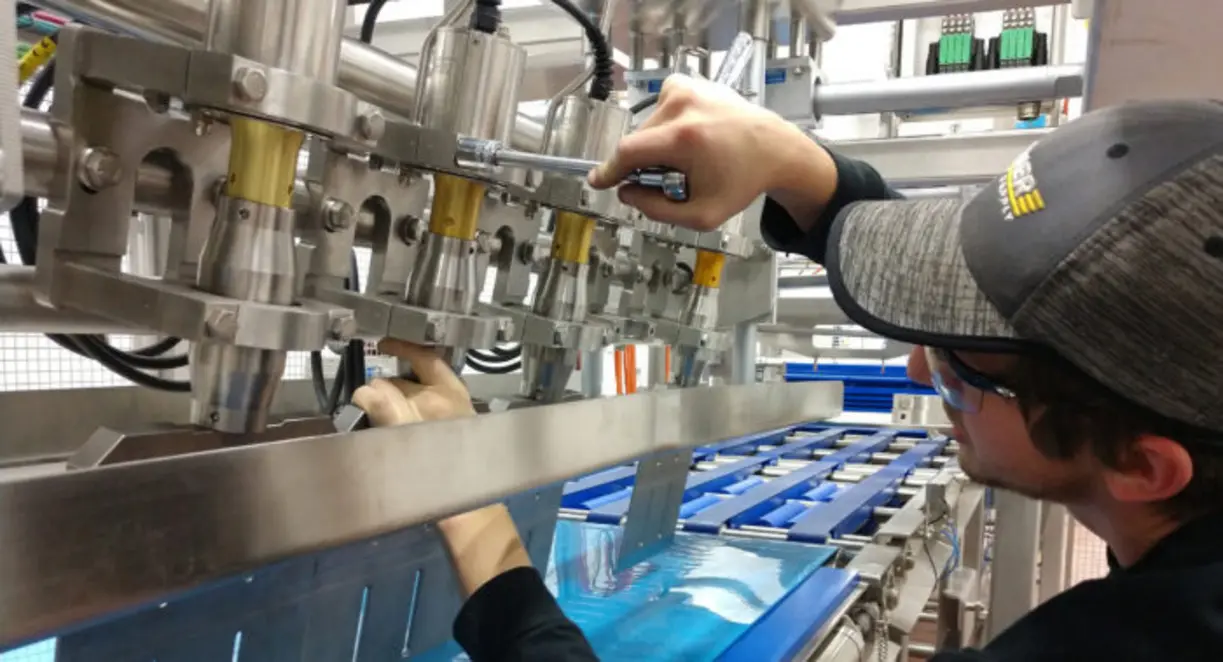
Maintenance technicians should own tasks that require isolation, specialist tools, measurements, controlled adjustment, or replacement work. Examples include:
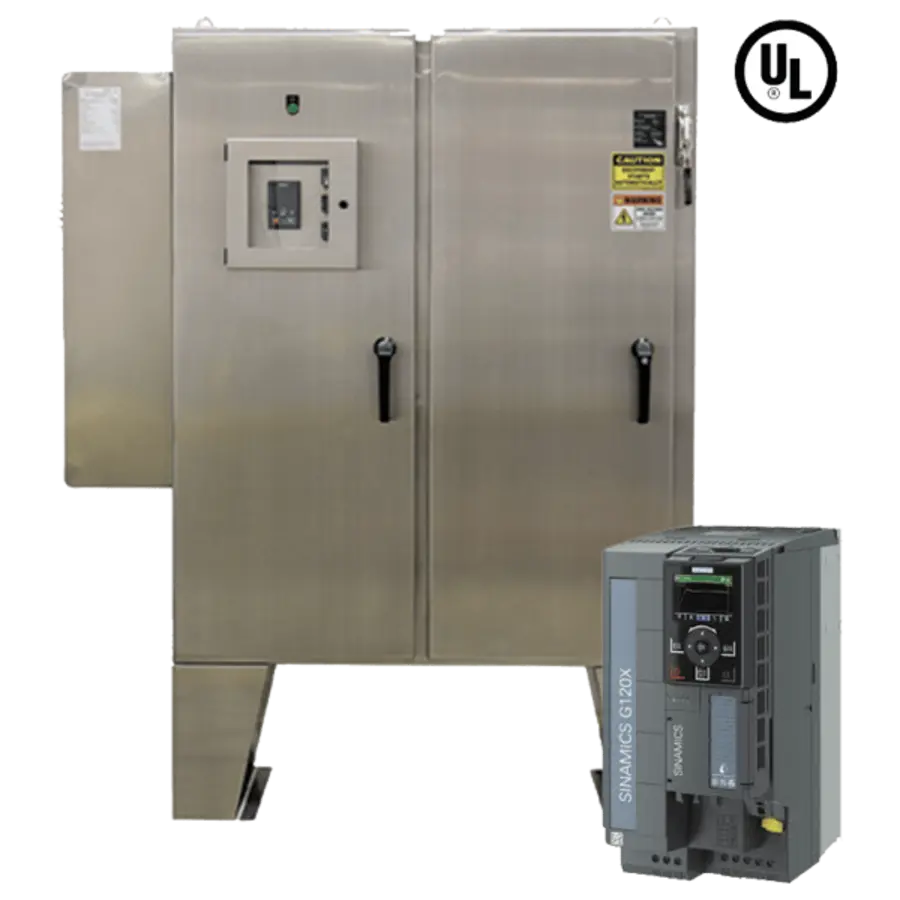
- Inspecting electrical connections and enclosure condition
- Checking drives, chains, belts, couplings, and pulley alignment
- Examining bearings, gearboxes, motors, hydraulic systems, and pneumatic systems
- Replacing worn seals, gaskets, belts, rollers, or other defined wear parts
- Performing calibration or verification work under the plant’s approved procedures
- Conducting vibration, thermal, or other condition checks where the plant has the capability and a response plan
3. Set preventive maintenance frequency from risk and evidence
The best preventive maintenance frequency for food machinery is rarely “weekly for everything” or “monthly for everything.” Use a combination of five inputs:
- Manufacturer instructions: Required service points, lubricants, inspection methods, and replacement criteria.
- Failure history: Repeated breakdowns, nuisance trips, damaged parts, and recurring quality defects.
- Sanitation exposure: Washdown, chemicals, moisture, temperature cycling, and residue can change failure patterns.
- Criticality: High-consequence equipment may justify more frequent checks or condition monitoring.
- Actual operating hours or cycles: Some work should be triggered by runtime, starts, cycles, or product throughput rather than the calendar.
A useful starting framework is shown below. The plant should adjust it after reviewing actual findings and following equipment-specific requirements.
| Schedule layer | Typical purpose | Examples |
|---|---|---|
| Each shift or daily | Detect visible deterioration early | Housekeeping observations, leaks, noises, product buildup, guard condition |
| Weekly | Catch developing mechanical and utility issues | Conveyor tracking, pneumatic leaks, drive condition, fastener checks where appropriate |
| Monthly | Perform deeper inspection and review trends | Motor and gearbox inspection, sensor checks, safety-device inspection, work-order review |
| Planned shutdown | Complete work needing safe access or extended downtime | Alignment, replacement of wear parts, deep inspection, internal cleaning-related repairs |
| Condition- or runtime-based | Act when evidence indicates need | Lubrication by operating hours, bearing checks, calibration under approved programs |
Avoid turning this table into a universal template. A packaging-machine sensor, a pump seal, and a conveyor bearing do not fail in the same way and should not inherit the same interval simply because they are on the same line.
4. Integrate maintenance with sanitation and production planning
In food plants, a technically correct PM can still fail if it is scheduled when the line is unavailable, undergoing sanitation, or already needed for production recovery. Maintenance planning and production downtime must be coordinated deliberately.
Hold a regular planning review involving maintenance, production, sanitation, quality or food-safety personnel as appropriate, and stores. Review the coming production plan, sanitation windows, changeovers, planned shutdowns, and outstanding corrective work.
For each planned job, define:
- Required downtime and whether the machine must be isolated
- Whether access is possible before, during, or after sanitation
- Parts, tools, permits, and qualified labor required
- Any sanitation or product-contact restoration steps after maintenance
- Required inspection, functional test, or release process before production resumes
Maintenance activity can introduce risks if parts, lubricants, tools, debris, or access practices are not controlled. Use the site’s approved food-safety, sanitation, allergen, and foreign-material procedures. Requirements for cleaning, reassembly, inspection, and documentation should be verified with the facility’s applicable program and regulatory obligations rather than assumed from a generic PM checklist.
5. Create a food processing equipment lubrication program
Lubrication is a frequent source of both equipment failures and unnecessary work. A usable program identifies every lubrication point, not just the machine as a whole.
For each point, document:
- Asset and component identification
- Approved lubricant specified for that application
- Method of application and quantity or condition criterion
- Interval based on manufacturer guidance and operating conditions
- Person responsible for the task
- Any food-area controls required by the plant
- Signs of over-lubrication, contamination, leakage, or failed seals
Do not substitute lubricants based on convenience. In food production areas, lubricant selection and use must align with the equipment manufacturer’s requirements and the facility’s approved food-safety controls. Excess lubricant can attract debris, migrate from a failed seal, or conceal a developing mechanical problem.
6. Plan wear parts and corrective work separately
A PM schedule should identify predictable wear parts, but it should not replace every component on a fixed date without evidence. Use planned replacement where the part has a known service pattern, where failure consequences are high, or where replacement can be efficiently completed during scheduled downtime.
Keep a spare-parts list for critical assets. Include part numbers, approved alternates if applicable, lead times, storage conditions, and minimum stock decisions based on risk. Common candidates include belts, chains, bearings, seals, sensors, pneumatic components, drive parts, and machine-specific change parts.
Corrective work found during a PM needs its own work order, priority, and planned completion date. Do not close a PM merely because the inspection occurred when it identified a defect that remains unresolved. The inspection can be complete, but the corrective action should remain visible until verified.
7. Make work orders useful feedback, not paperwork
Every PM work order should state the asset, task, acceptance criteria, findings, parts used, labor time, and follow-up action. Free-text notes are valuable when they describe what changed: recurring loose fasteners, repeated moisture entry, a belt that needs frequent tracking, or a sensor that drifts after washdown.
Review closed work orders at least often enough to find patterns. Ask:
- Which scheduled tasks repeatedly find nothing meaningful?
- Which failures occurred despite completed PMs?
- Are technicians finding the same defect on multiple machines?
- Does the task interval match operating conditions?
- Is a design change, sanitation improvement, operator training update, or spare-parts change more effective than adding another inspection?
This is how a calendar-driven program becomes a reliability program. Remove low-value work only after reviewing risk and evidence; do not eliminate a task simply because it has not found a failure recently.
Common mistakes to avoid
Scheduling every task by the calendar
Calendar intervals are easy to administer but can ignore runtime, washdown intensity, seasonal demand, and actual condition. Use calendar triggers where appropriate, but add runtime or condition triggers for components that justify them.
Writing vague task instructions
“Inspect conveyor” produces inconsistent work. Better instructions identify what to inspect, how to recognize an unacceptable condition, whether adjustment is allowed, and when to create corrective work.
Overloading shutdown windows
A shutdown plan that exceeds available labor, parts, or access time creates rushed work and deferred tasks. Separate essential work from desirable improvements, then stage parts and tools before the outage.
Ignoring sanitation-related failure mechanisms
Water ingress, corrosion, residue, damaged seals, and inaccessible areas can affect reliability and hygienic condition. Include these conditions in inspection standards for equipment exposed to cleaning and washdown.
Measuring completion instead of effectiveness
PM completion rate matters, but it does not prove that tasks prevent failures. Pair completion data with repeat failures, emergency work, downtime causes, recurring defects, and overdue corrective actions.
A simple rollout sequence
- Select one production line or a small group of high-criticality assets.
- Gather manuals, past work orders, downtime records, and sanitation observations.
- Define operator checks, technician PMs, condition checks, and planned shutdown tasks.
- Write task instructions with clear acceptance criteria and escalation steps.
- Confirm production and sanitation access windows.
- Stage critical spares and assign ownership for each task.
- Run the schedule for several cycles and review findings.
- Adjust frequencies, task content, and parts strategy based on evidence.
The goal is not to fill every maintenance hour. It is to prevent the failures that matter, find deterioration early, protect equipment condition through cleaning and operation, and use limited downtime for work that cannot be done while the line is running.
References
- Top Maintenance Best Practices For Food Manufacturing. (n.d.). https://www.fogwing.io/blog/maintenance-best-practices-for-food-manufacturing
- Preventive Maintenance Scheduling for Food Processing Equipment: Complete Guide. (n.d.). https://oxmaint.com/industries/food-manufacturing/preventive-maintenance-scheduling-food-processing-equipment
- Effective Preventive Maintenance for Manufacturing Equipment. (n.d.). https://www.mengsolutions.com.au/preventive-maintenance-for-manufacturing-machine-and-food-processing-equipment
- Top Maintenance Strategies for the Food Industry. (n.d.). https://www.manwinwin.com/maintenance-in-the-food-industry
- Ready to Create a Lean Maintenance Line? Here’s How. (n.d.). https://www.getmaintainx.com/blog/ready-to-create-a-line-of-lean-maintenance-heres-how
- USDA FSIS Compliance: Maintenance Requirements for Meat and Poultry Processing. (n.d.). https://oxmaint.com/industries/food-manufacturing/usda-fsis-compliance-maintenance-meat-poultry-processing
- A Detailed Food Safety Preventive Maintenance Checklist. (n.d.). https://www.zapium.com/checklist/food-safety-maintenance
- Preventive Maintenance: Another Preventive Control?. (n.d.). https://www.food-safety.com/articles/7304-preventive-maintenance-another-preventive-control