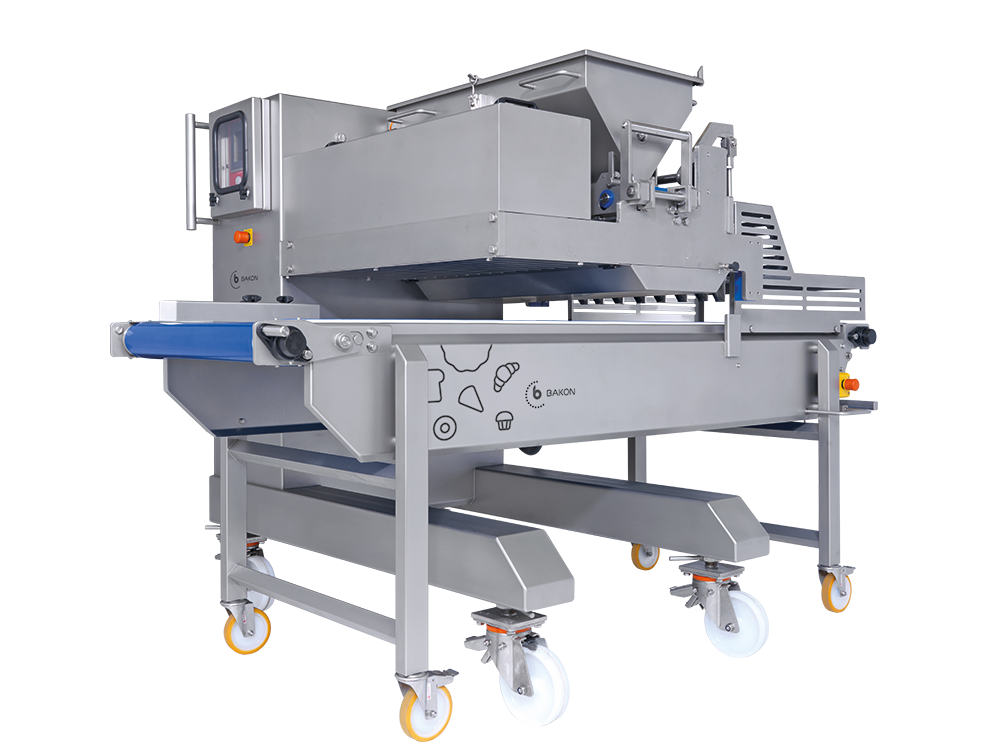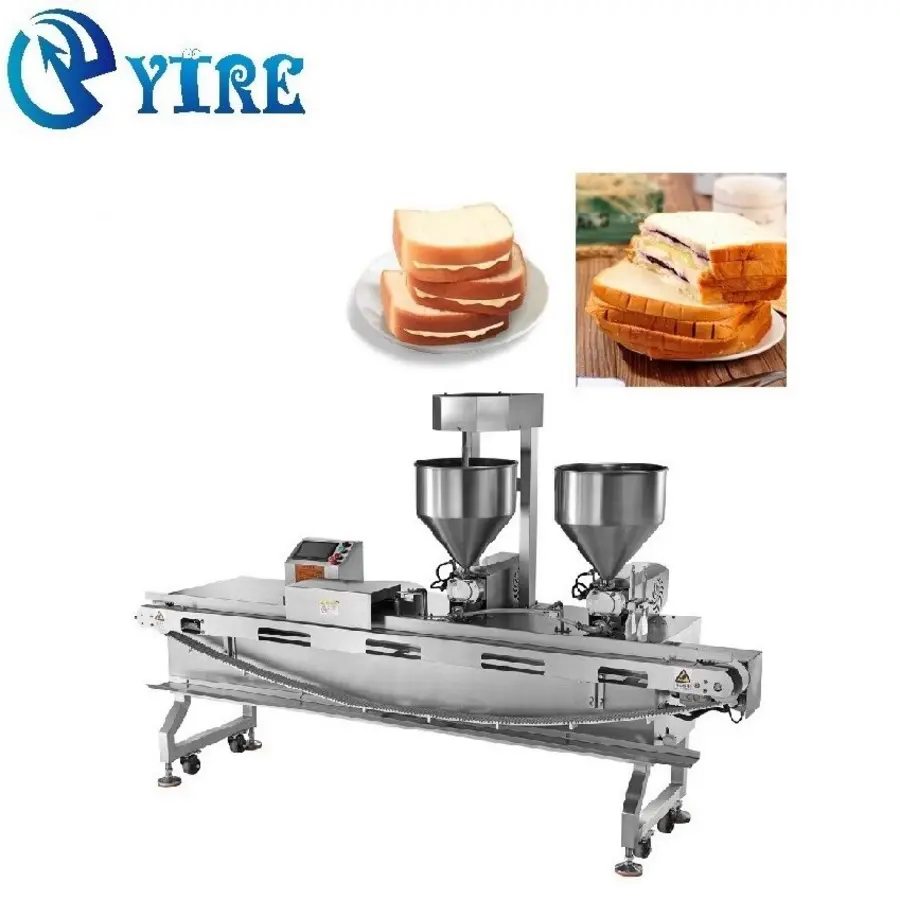
Selecting an industrial food depositor starts with the product, not the machine category. The right system must move the product without separating it, crushing inclusions, introducing air, smearing the package, or missing the target portion. It must also do so at the required line speed and with a cleaning and changeover routine the plant can realistically support.
For most applications, begin by defining the product’s flow behavior, particle size and concentration, target deposit weight, package opening, and required deposits per minute. A piston or other volumetric food depositor is often a practical choice for sauces, fillings, spreads, dairy products, and prepared foods with a consistent portion volume. Servo-controlled systems can add flexibility where recipes, weights, deposit patterns, or portion sizes change frequently. Rotary systems may suit high-throughput, repetitive applications, especially where the product flows readily and the package format is stable.
First decide whether depositing is the correct operation
The terms depositing and filling are sometimes used interchangeably, but the intended result matters.
A depositor typically places a defined portion onto or into a product, tray, cup, shell, dough piece, or package. It may create multiple deposits in a pattern, layer ingredients, place a central inclusion, or portion a thick product with a controlled cutoff.
A filling system is usually focused on bringing containers to a target level, volume, or weight. It may be the better description for bottles, jars, pouches, and tubs, particularly with free-flowing liquids.
Consider another process if the operation is fundamentally different:
- Extruding is better when the product needs a continuous rope, sheet, strand, bar, or profile before cutting.
- Cutting is appropriate when portion control comes from dividing a continuous product rather than dispensing separate doses.
- Forming is needed when the machine must shape meat, dough, confectionery, or another cohesive mass into a repeatable form.
- Placing or dosing may be more accurate language for toppings, particulates, powders, or individual pieces.
Making this distinction early prevents a common purchasing mistake: specifying a depositor when the actual process requires a former, extruder, cutter, or integrated depositing-and-forming system.
Build the specification around the product
Viscosity is important, but it is only one part of product behavior. A useful product brief describes how the food behaves in the hopper, through the pump or metering chamber, inside the hose, and at the nozzle.
Assess flow behavior rather than using a single viscosity label
Ask whether the product is thin and free-flowing, thick and pumpable, aerated, sticky, shear-sensitive, fibrous, particulate-filled, or prone to separating. Products can also behave differently at rest and while moving. A sauce may flow readily once pumped but settle solids in the hopper. A whipped filling may lose texture if it is subjected to excessive shear or pressure.
Provide equipment suppliers with representative product samples and, where possible, product information covering:
- Expected processing temperature at the depositor
- Normal and worst-case consistency variation
- Particle size, shape, hardness, and concentration
- Fiber length or stringing tendency
- Sensitivity to shear, aeration, or pressure
- Tendency to settle, bridge, separate, drip, or smear
- Product temperature changes during a typical production run
The best trial is not a generic water test. It is a trial using the actual product, intended nozzle, target portion, package, and operating temperature range.
Match inclusions to the product path
Products containing fruit pieces, vegetables, meat, cheese, grains, nuts, or other inclusions need a clear, sufficiently open route from hopper to nozzle. Restrictive valves, narrow bends, small passages, and undersized nozzles can damage pieces, cause jams, or create inconsistent portions.
The maximum particle dimension alone is not enough. Long fibers, irregular pieces, fragile inclusions, and high solids loading may be more difficult to handle than small, round particles. Ask the supplier to explain the narrowest product passage, valve design, nozzle opening, and how the system manages product recirculation or agitation.
Compare depositing methods by the production need
The following comparison is a starting point, not a substitute for a product trial. Designs vary widely between suppliers, including the type of pump, valve, hopper, controls, and nozzle package.
| Depositing approach | Often suited to | Main strengths | Key checks before selection |
|---|---|---|---|
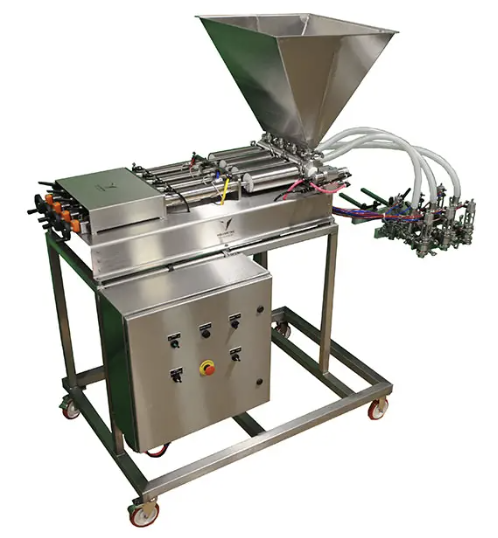
| Piston depositor | Thick sauces, fillings, spreads, dairy products, ready meals, products with inclusions | Defined volumetric dosing, broad product flexibility, practical for many viscous products | Product compatibility with piston, valves, seals, and nozzle passages; cleaning access; portion range |
| Servo depositor | Products or lines requiring frequent recipe, portion, or pattern changes | Programmable motion and portion settings; potential flexibility for multi-deposit patterns | Actual repeatability across the product range; control integration; operator setup and maintenance requirements |
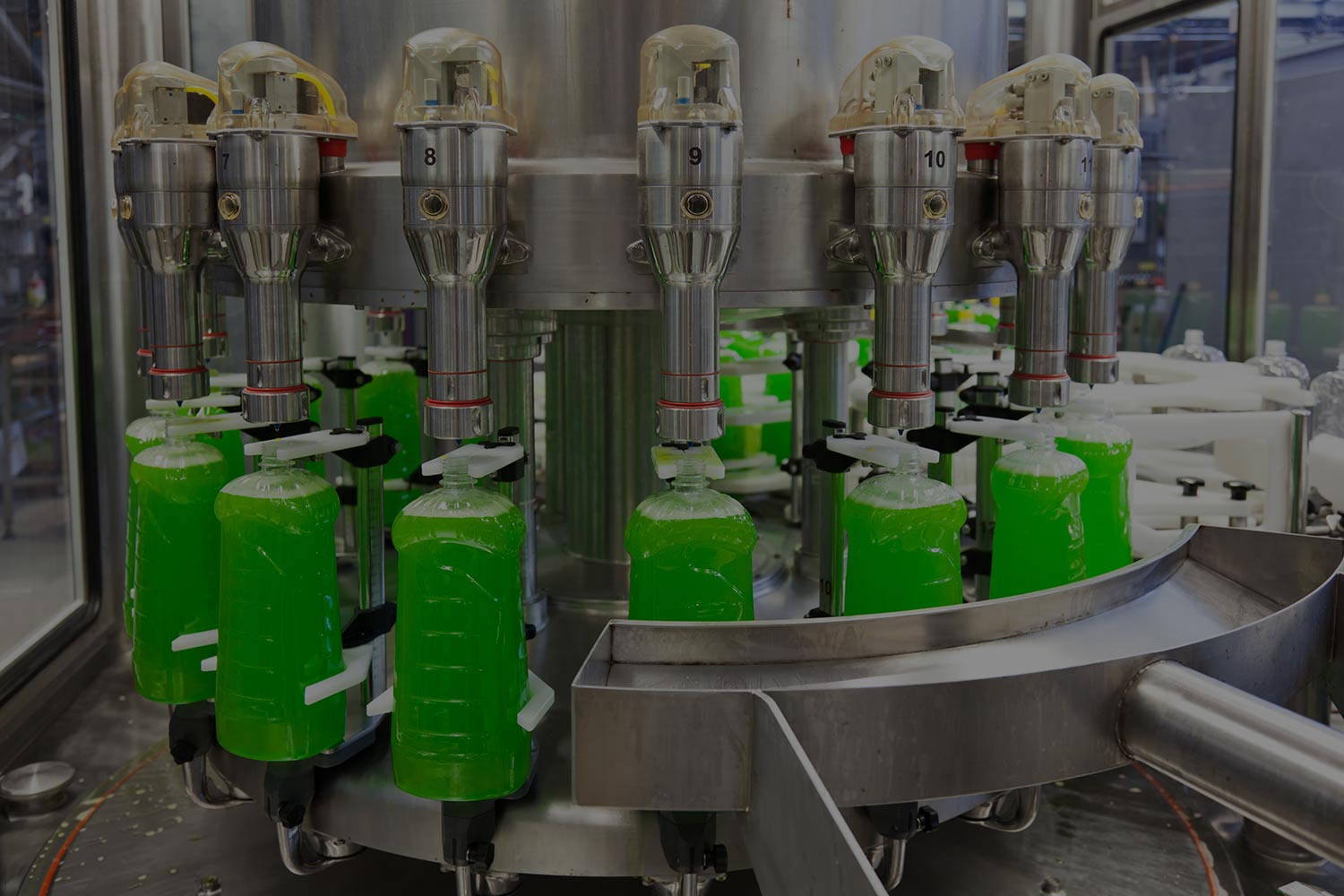
| Rotary depositor or rotary filler | High-volume, repetitive container formats and stable products | Compact continuous motion can support high output in suitable applications | Product flow, container handling, changeover complexity, and access for sanitation |
| Pump-based depositor | Products that need a continuous or controlled feed to the nozzle | Can be useful for certain liquids, sauces, and process layouts | Pump suitability for shear-sensitive or particulate products; cutoff performance and drip control |
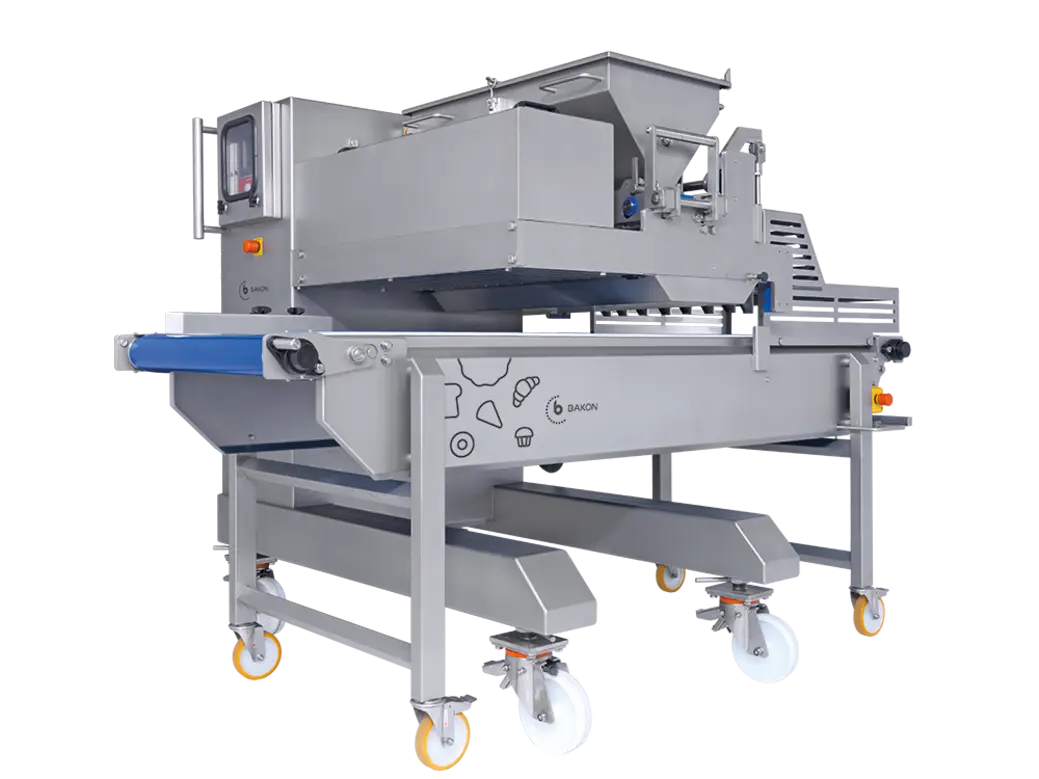
| Multi-piston or multi-head depositor | Tray meals, bakery products, cups, and lines requiring several simultaneous portions | Higher output through parallel depositing heads | Deposit-to-pocket alignment, manifold balance, nozzle spacing, and cleaning time |
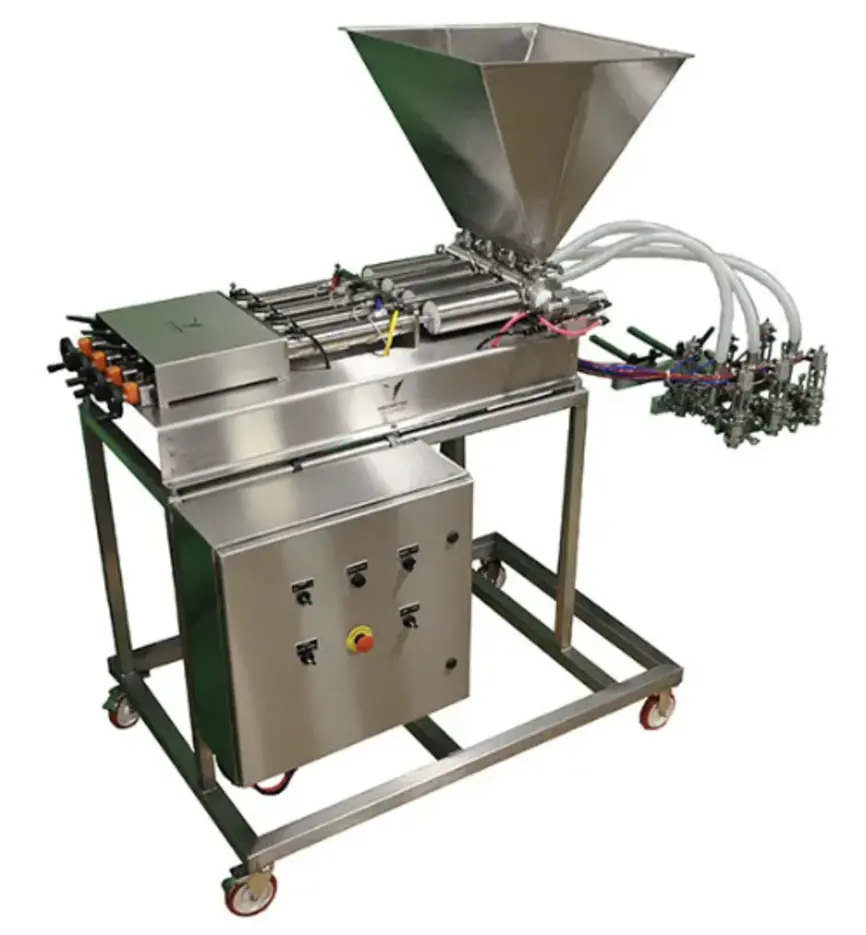
A piston depositor uses a defined chamber volume to draw in product and discharge it through a nozzle. This makes it a common choice where portion volume must remain consistent and the product is too thick or particulate for simpler gravity-based filling. Piston machines are widely used across products ranging from relatively fluid foods to dense pastes and foods containing solids.
A servo depositor may use servo-controlled pistons, pumps, or other metering elements. Its value is usually flexibility: changing a deposit volume, recipe, pattern, or motion profile through the control system can be easier than making a purely mechanical adjustment. That does not automatically make it the best option. If the line runs one product and one format for long periods, a simpler system may be easier to operate and maintain.
Source: images.squarespace-cdn
Specify accuracy in a meaningful way
Do not ask only for “high accuracy.” Define what accuracy means for the product and package.
Volume-based depositing can be repeatable when the product is consistent, but volume is not the same as final net weight. Changes in density, entrained air, temperature, settling, or ingredient distribution can change deposited weight even when the metered volume is stable.
For a useful specification, establish:
- Target portion weight or volume
- Allowed variation and how it will be measured
- Start-up, steady-state, and end-of-run expectations
- Whether the product contains inclusions that must be distributed fairly across portions
- Whether checkweighing, feedback control, or manual verification will be used downstream
- Expected performance during normal viscosity and temperature variation
If legal net-content control is involved, confirm the applicable local requirements and agree on the plant’s verification method. Equipment capability should be evaluated under real production conditions, not only during a short demonstration with ideal product.
Treat nozzle design as a core selection item
Nozzles determine how product enters the package and how cleanly the deposit is cut off. They should be selected with the depositing method, not as an afterthought.
Nozzle geometry affects product velocity, particle passage, stringing, splashing, drips, and placement accuracy. The container opening and deposit location matter just as much. A nozzle that works well for a wide bowl may be unsuitable for a narrow cup, a deep tray compartment, or a product that must land away from a tray edge.
Discuss these details during specification:
- Nozzle diameter and product passage size
- Straight, angled, diving, or retracting nozzle motion
- Shutoff method and cutoff quality
- Nozzle-to-container clearance
- Single versus multiple nozzles
- Required deposit pattern and spacing
- Drip management between containers
- Product contact materials and seal compatibility
A diving nozzle can reduce splashing for some liquid or semi-liquid products by depositing closer to the bottom of the container. However, it adds motion, timing, cleaning, and format-change considerations. It should be justified by the product and package rather than selected automatically.
Size the hopper and agitation system carefully
The hopper is not simply a storage vessel above the depositor. Its design affects product consistency at the metering device.
Products that settle, separate, or bridge may need controlled agitation, scraper action, a screw feed, or another means of maintaining a uniform feed. But aggressive agitation can damage delicate inclusions, change texture, add air, or alter an aerated product. The objective is stable feed, not maximum mixing.
Also consider hopper capacity in relation to production rhythm. An oversized hopper may increase product hold time and make changeovers more wasteful. An undersized hopper can require frequent refilling and lead to inconsistent supply. If product temperature must be held within a defined range, evaluate jacketed hoppers, insulated pipework, or other temperature-control provisions with the product process owner. Validate the final arrangement for quality, sanitation, and the site’s applicable food-safety program.
Calculate line speed from deposits, not just packages
A line rated in containers per minute can conceal the real demand on the food depositing machine. One tray may require three deposits; another may require six deposits from different hoppers or heads.
Use this basic calculation:
Required deposits per minute = packages per minute × deposits per package
Then add operating realities:
- Indexing or continuous conveyor motion
- Number of available depositing heads
- Deposit time and nozzle travel
- Package spacing and registration accuracy
- Container accumulation before and after the depositor
- Time for hopper replenishment, cleaning, inspection, and changeover
- Planned future formats or increased output
A machine’s maximum stated rate is not necessarily its sustainable rate for a thick product, a difficult cutoff, multiple deposits, or a small package opening. Ask for expected operating performance for the specific product and format.
Source: bakon
Plan the interface with the rest of the line
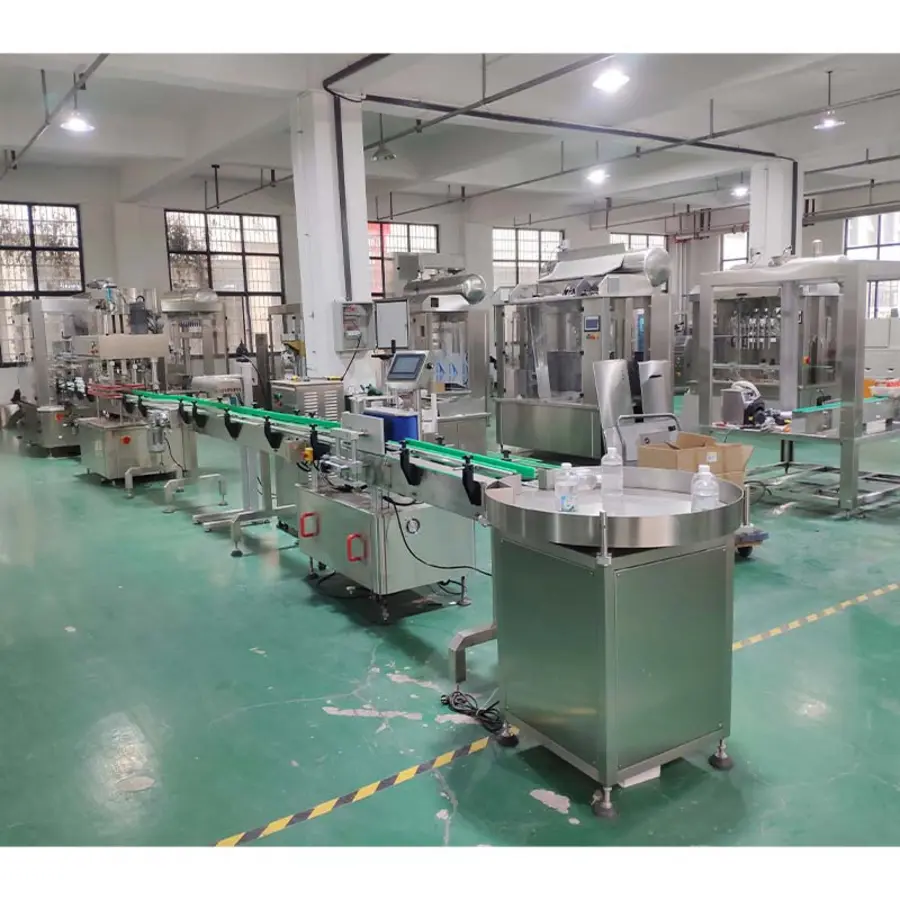
A depositor is only as reliable as its upstream product supply and downstream package handling.
Upstream, verify how product arrives at the hopper or manifold. Transfer pumps, pipe diameter, bends, elevation changes, and product recirculation can affect deposit consistency. The system should avoid starving the depositor, overpressurizing product, or changing product structure before it reaches the nozzle.
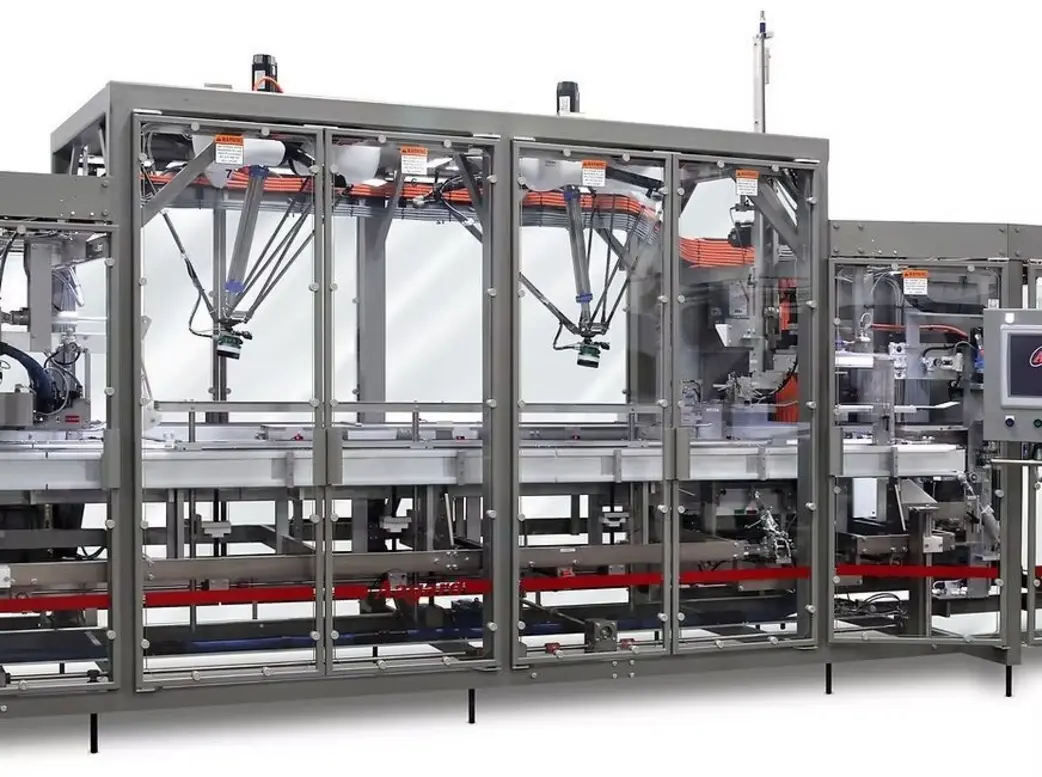
Downstream, confirm that trays, cups, containers, dough pieces, or shells arrive in a repeatable position. Poor conveyor registration can look like a depositing fault when the real problem is package movement. Consider what happens after depositing: lidding, sealing, topping, baking, chilling, freezing, retorting, or secondary packaging may impose constraints on fill level, headspace, deposit location, and product appearance.
Integration questions should include control handshakes, conveyor height, machine footprint, access for operators, guarding, utility connections, reject handling, and the physical route for cleaning and maintenance.
Evaluate sanitation, changeover, and maintenance before purchase
A capable depositor that takes too long to clean or cannot be safely accessed will reduce its practical value. Review the product-contact path from hopper to nozzle, including seals, valves, manifolds, hoses, and dead-leg risks. Determine which parts require disassembly, whether clean-in-place capability is proposed, and how cleaning effectiveness will be verified under the facility’s sanitation program.
For multi-product lines, ask to see the changeover sequence. Identify components that must be exchanged for different portion sizes, nozzle patterns, tray formats, or products with different inclusions. Keep a clear distinction between adjustments an operator can make routinely and work that requires trained maintenance personnel.
Also assess access to wear parts, seal replacement, lubrication requirements where applicable, fault diagnostics, and spare-parts lead times. A highly flexible system can be a poor fit if its maintenance demands exceed the plant’s available support.
A practical depositor selection checklist
Before requesting final proposals, prepare a one-page application specification containing:
- Product description and representative samples
- Processing temperature and expected product variation
- Particle, fiber, and inclusion details
- Target portion weights or volumes
- Package drawings, opening dimensions, and deposit locations
- Packages per minute and deposits per package
- Required nozzle count and deposit pattern
- Hopper feed method and replenishment approach
- Cleaning, allergen-changeover, and sanitation expectations
- Available floor space, utilities, controls, and conveyor details
- Future products, formats, and capacity plans
- Acceptance-test criteria using actual product and packaging
Common selection mistakes
The most common error is choosing by nominal speed alone. A fast machine that cannot provide a clean cutoff, handle inclusions, or align deposits with the package will create waste and downtime.
Another mistake is treating all thick products as equivalent. A smooth viscous sauce, a chunky salsa, a fibrous fruit preparation, and an aerated cream may all be described as “thick,” yet they place very different demands on pumping, metering, agitation, and nozzle design.
Finally, avoid specifying the machine without specifying the operating system around it. Product supply, package control, temperature management, cleaning access, and operator workflow are part of depositor performance. The most reliable industrial food depositor selection is therefore an application decision: match the metering method, product path, nozzle, package format, and line controls as one system.
References
- Piston and Rotary Filling Machines: How to Choose?. (n.d.). https://www.lienm.com/blogs/piston-and-rotary-filling-machines
- Beverage & Food Filling Equipment. (n.d.). https://volumetrictechnologies.com/food-beverage
- Types of filling machines - CFT Food Machinery. (n.d.). https://www.cft-group.com/types-of-filling-machines
- Rotary piston depositor for bakery, food production. (n.d.). https://www.refrigeratedfrozenfood.com/articles/92012-rotary-piston-depositor-for-bakery-food-production
- Volumetric vs Piston Syrup Filling Machine: A Comparison. (n.d.). https://pharmatechcn.com/blog/volumetric-vs-piston-syrup-filling-machine-a-comparison
- industrial. (n.d.). https://www.thefreedictionary.com/industrial
- Viscosity Liquid Piston Filler Machine Manufacturer. (n.d.). https://www.vtops.com/filling-machines/piston-fillers
- Piston filling machine, Piston filler - All industrial manufacturers. (n.d.). https://www.directindustry.com/industrial-manufacturer/piston-filling-machine-108594.html