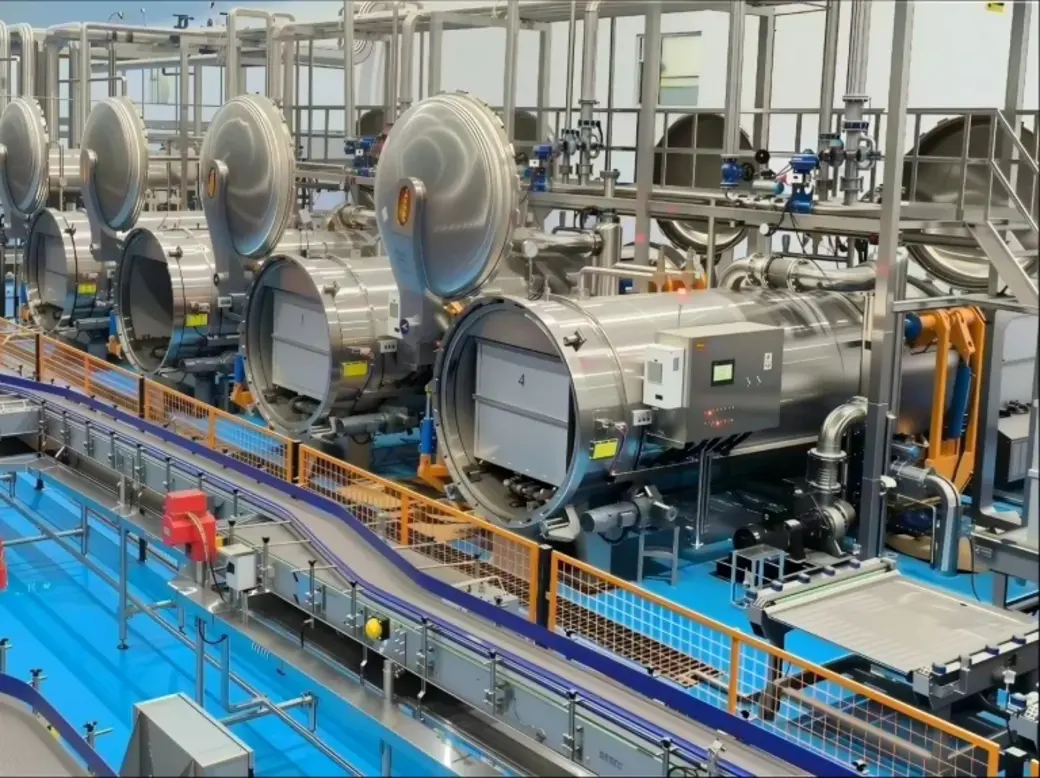
Industrial food retort systems are selected first by matching the equipment to the package, product behavior, and required production pattern—not simply by choosing the vessel with the highest stated capacity. Batch retorts usually offer the broadest flexibility for mixed products, changing package formats, co-packing, and seasonal schedules. Continuous retorts are generally better suited to stable, high-volume production with consistent containers and upstream/downstream flow.
A retort is only one part of a shelf-stable food process. Its heating and cooling capability must work with the scheduled process developed for the specific product and package. Equipment selection does not establish process adequacy, commercial sterility, or regulatory compliance. For low-acid and acidified foods, processors should involve qualified process authorities and verify applicable filing, recordkeeping, operator-training, and regulatory requirements with the relevant authorities.
Start with the package and process, not the retort style
The same product may require very different handling and pressure-control arrangements in a metal can, glass jar, retort pouch, plastic cup, or rigid tray. Before comparing industrial food retort systems, define the commercial package and the process conditions it must tolerate.
Key questions include:
- Is the package rigid, semi-rigid, or flexible?
- Does it need overpressure during heating and cooling to protect seals or package shape?
- Can the product benefit from controlled agitation?
- Is the product particulate, viscous, liquid, layered, or sensitive to texture damage?
- Are multiple package sizes or recipes expected on the same line?
- Does the line run in campaigns, intermittent shifts, or around-the-clock production?
- How will packages be loaded, restrained, cooled, dried, inspected, and transferred after retorting?
A useful rule is to specify the product-package-process combination before specifying vessel diameter, automation level, or hourly output. A retort that accepts a package physically may still be a poor production fit if its carriers, handling method, agitation pattern, cooling system, or controls do not support the intended process.
How the main retort formats work
Still batch retorts
A still batch retort processes a discrete load of packages in a sealed pressure vessel. Packages are commonly placed in baskets, trays, crates, or racks, loaded into the vessel, heated according to the scheduled process, cooled, and unloaded. Depending on the equipment design, heat may be delivered using steam, water spray, water immersion, steam-air, or another controlled medium.
The word still describes the package condition: packages remain stationary rather than rotating during the cycle. This format is widely used because it can accommodate many package styles and makes sense where product mix and changeover flexibility matter.
Still batch retorts are commonly considered for cans, jars, pouches, trays, and other containers when the carrier system and process delivery method are appropriate. Their limitations are batch loading and unloading, cycle-related waiting time, and the need to coordinate retort availability with the filler and downstream packing operation.
Rotary batch retorts
Rotary retorts also process a discrete batch, but the containers rotate or move in a controlled pattern during part of the cycle. Agitation can improve heat transfer for suitable products, potentially supporting product-quality objectives or a different process design. It is not automatically beneficial: agitation may damage delicate particulates, disturb layered products, create package scuffing, or be unsuitable for certain container designs.
Rotary equipment is often considered for products where controlled movement is compatible with the formulation and package. The specification must address container orientation, carrier design, rotational speed range, fill level, package restraint, and how the motion is monitored and recorded where required by the process.
Continuous retorts
A continuous retort moves packages through thermal processing in a sustained flow rather than loading one closed vessel at a time. It is usually integrated with automated infeed, transfer, cooling, and discharge equipment. The objective is a steady relationship between filling, retorting, and packing rather than repeated batch accumulation and release.
Continuous systems can reduce manual package handling and fit high, stable production volumes. In return, they often require more consistent package geometry, predictable product flow, dedicated conveying infrastructure, and a production plan that keeps the system adequately utilized. A stoppage upstream or downstream can have broader consequences than a delay affecting one batch vessel.
Hydrostatic retorts
A hydrostatic retort is a continuous system that uses vertical water legs to create pressure zones as containers travel through the equipment. Packages are conveyed through heating, holding, and cooling sections in a continuous path. This format is often associated with high-volume processing of consistent rigid containers, particularly cans.
The tall structure and integrated conveying arrangement are fundamental selection considerations. Building height, structural requirements, access for inspection and maintenance, package infeed/outfeed layout, and utility routing should be evaluated early. Hydrostatic systems can be highly effective for the right steady-state application, but their scale and specialization can make them less attractive for frequent format changes or irregular schedules.
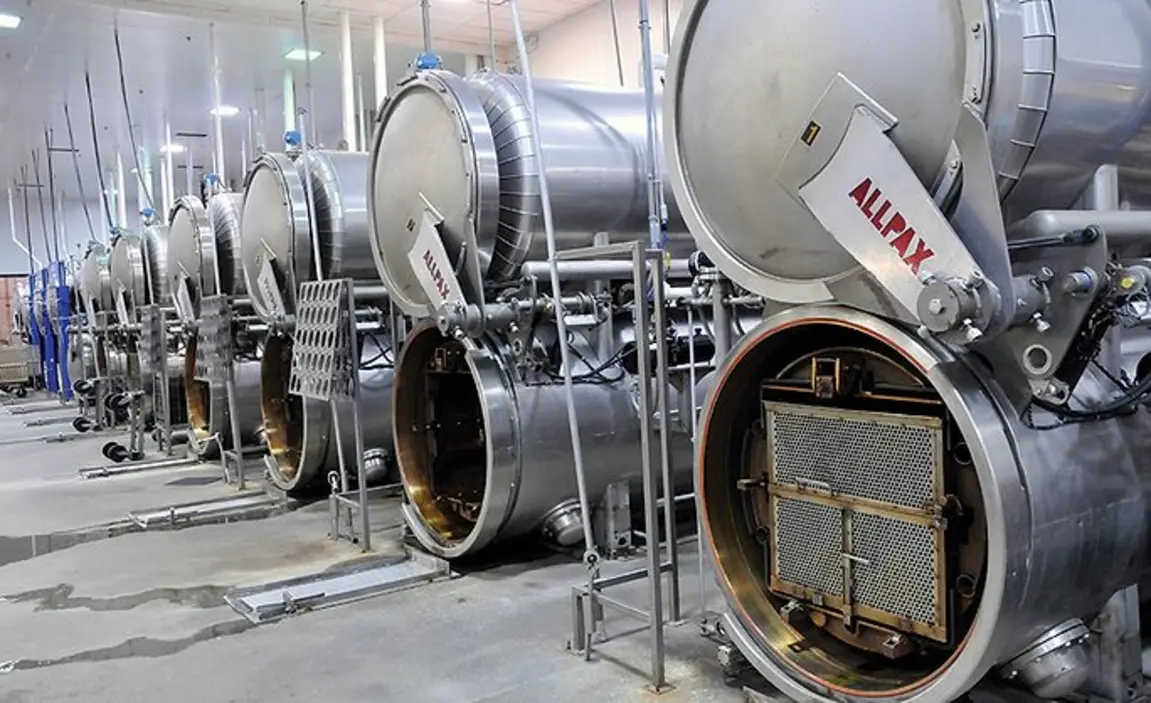
Source: packagingstrategies
Batch retort vs. continuous retort: the practical comparison
| Selection factor | Batch retort | Continuous or hydrostatic retort |
|---|---|---|
| Product and package flexibility | Usually strong, especially with suitable baskets and recipes | Usually best with stable, repeatable products and containers |
| Production pattern | Works well with campaigns, mixed schedules, and variable demand | Works best with sustained, predictable flow |
| Changeover | Can be comparatively manageable between loads | Can involve more line-wide coordination and setup |
| Automation | Can range from manual loading to highly automated rooms | Commonly relies on integrated continuous handling |
| Effect of one equipment outage | Other batch vessels may continue operating if available | An interruption can affect the connected processing line |
| Footprint and building impact | Horizontal vessel layout is common | Hydrostatic designs may require substantial vertical space |
| Best early use case | Co-packers, multi-SKU operations, developing product portfolios | Mature high-volume lines with consistent package formats |
This comparison is directional rather than absolute. A multi-vessel batch installation can reach substantial output, while a continuous line may be engineered with some flexibility. The correct comparison is between complete operating systems: filling, accumulation, retort handling, cooling, drying, inspection, packing, and planned downtime.
Match the retort process equipment to the package
Cans
Metal cans are a conventional fit for both batch and continuous food canning retort systems. Important issues include can size range, end and seam protection, can-to-can handling, basket or conveyor design, cooling-water management, and the ability to maintain stable line flow. High-volume, limited-format canning is a common reason to evaluate continuous or hydrostatic equipment.
Glass jars
Glass requires careful handling before, during, and after processing. Specify supports and carrier arrangements that minimize impact risk, along with suitable pressure management and cooling control for the validated package-process combination. Jar changeovers, closure style, label timing, and breakage containment should be considered as part of the line design.
Retort pouches and flexible packs
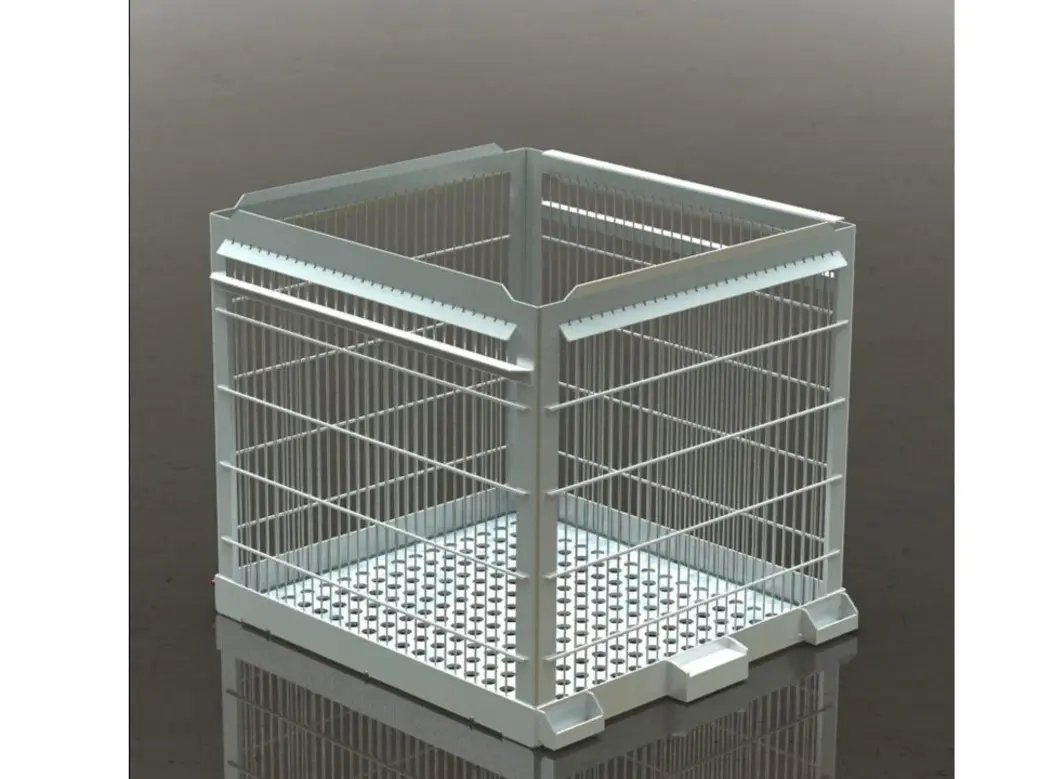
Flexible packs generally need well-designed trays, racks, dividers, or other restraint systems. The retort must provide the pressure control required by the selected package and process. Ask how the system prevents shifting, folding, abrasion, seal damage, and uneven package presentation during heating and cooling. The post-retort transfer system matters as much as the vessel: hot pouches can be vulnerable to rough handling.
Trays, bowls, cups, and semi-rigid packs
Semi-rigid packages may be sensitive to paneling, distortion, lid movement, or stacking forces. Evaluate carrier support, overpressure capability, package orientation, cooling method, and conveyor transfers. Suppliers should demonstrate compatibility with the exact package dimensions, lidding system, headspace, and anticipated product weight—not a visually similar container.
Source: allpax-promach.transforms.svdcdn
Specify the operating system around the vessel
A good retort machine selection document should describe the full process path, not just the pressure vessel. Include the following areas.
Loading, unloading, and accumulation
Define whether loads are built manually, by robotic loading, with automatic basket loaders, or through continuous conveyors. Consider accumulation before retorting, staging after cooling, and what happens when the filler or packaging equipment pauses. Carrier availability can become a hidden throughput constraint in batch systems.
Heating, cooling, and utilities
Confirm the heating medium, steam quality expectations, water supply and treatment requirements, cooling-water capacity, compressed-air needs, drainage, and condensate handling. Utility demand is not only a peak-capacity question; its stability can affect repeatability. The facility team should review utility availability alongside the retort supplier’s process and mechanical requirements.
Controls, data, and process records
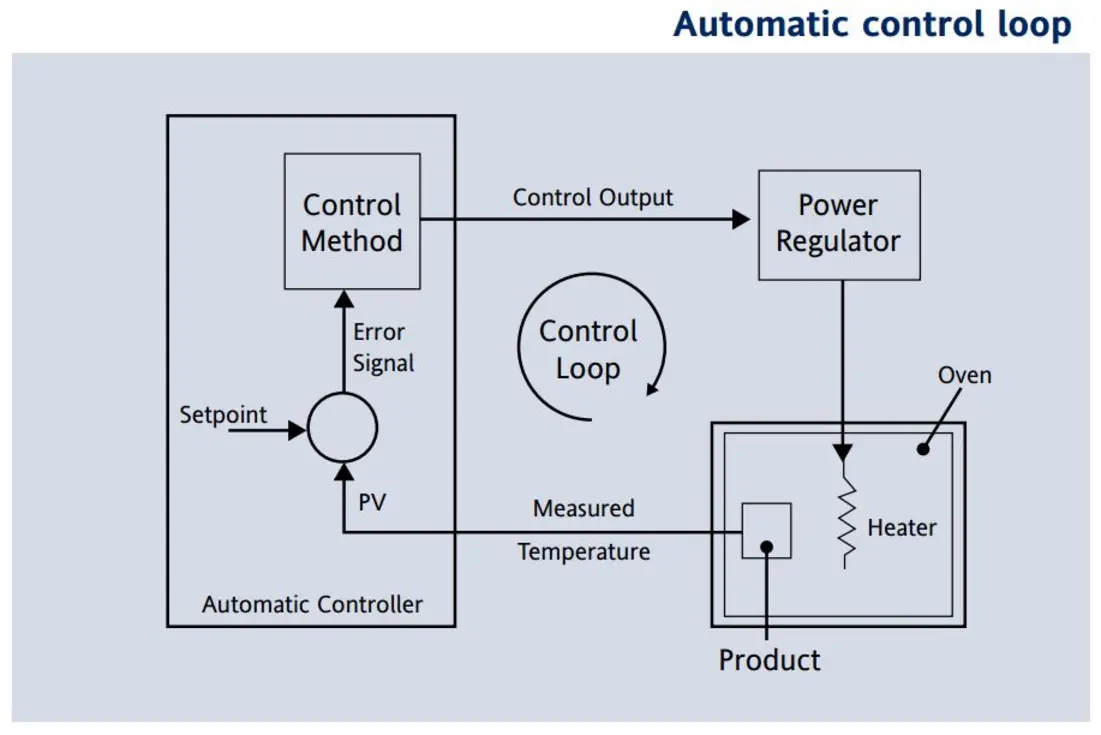
For a safety-critical thermal process, controls should support the required operating procedures and records. Specify the control architecture, user access, alarm handling, data capture, calibration interfaces, recipe management, event logs, and integration with plant systems. Determine who owns recipe changes, how changes are approved, and how electronic records are protected and retrievable.
Do not treat a modern PLC or touchscreen as proof of process compliance. The controls, instruments, procedures, records, and scheduled process must be evaluated together by qualified personnel.
Cleanability and maintenance access
Review vessel access, nozzle and spray-device inspection, basket cleaning, drainage, conveyor cleanout, lubrication points, seal replacement, pump service, and access around the equipment. For water-based systems, ask how water is managed between runs and how the system is cleaned under the facility’s validated sanitation program. Cleaning requirements should be developed with the equipment design, product residues, water quality, and site hygiene plan in mind.
A practical retort specification checklist
Use this checklist when requesting proposals or comparing designs:
- Product list, formulation characteristics, particulates, viscosity, and expected future products
- Exact package drawings, materials, closure details, dimensions, fill weights, and orientation
- Process authority requirements and the process-development status for each product-package combination
- Required production schedule, realistic line rate, batch frequency, and planned product campaigns
- Maximum acceptable product accumulation before and after retorting
- Preferred heat-transfer method and whether controlled agitation is needed or prohibited
- Overpressure requirements for the package type
- Basket, tray, crate, rack, or conveyor configuration and quantity
- Heating, cooling, water, air, drainage, and electrical utility data
- Plant footprint, floor loading, building height, access routes, and maintenance clearances
- Automation boundaries: loading, transfer, unloading, drying, inspection, and palletizing
- Control, recipe, alarm, audit-trail, and data-retention requirements
- Cleaning access, water management, spare parts, service support, and operator training
- Factory and site acceptance criteria tied to the intended package-handling and operating sequence
Common selection mistakes
The most expensive mistake is sizing a retort from a nominal hourly number without calculating the full cycle and handling sequence. For batch equipment, this means including load preparation, loading, process time, cooling, unloading, and carrier return. For continuous equipment, it means confirming whether the filler, conveyors, cooling, packing line, and maintenance plan can sustain the intended flow.
Another mistake is selecting agitation because it appears faster or more advanced. Product movement must be compatible with the food, package, closure, and validated process. Likewise, choosing a flexible batch vessel without considering carrier inventory and manual labor can create a bottleneck outside the retort.
Finally, avoid assuming that a supplier’s standard configuration covers the final product. Process development, heat-distribution and heat-penetration work, package evaluation, and applicable regulatory obligations are separate responsibilities that need qualified review.
Selection takeaway
Choose a batch retort when package variety, SKU changes, campaign production, and future flexibility outweigh the benefits of uninterrupted flow. Choose a continuous or hydrostatic retort when the plant has stable high-volume demand, consistent containers, and the infrastructure to support a tightly integrated line.
In either case, buy the retort as part of a documented product-package-handling system. The best equipment choice is the one that can repeatedly run the approved process, protect the package, fit the production schedule, and remain maintainable in the actual plant.
References
- Low-Acid Canned Foods - Food Safety for Processors | NC State Extension. (n.d.). https://foodsafetyprocessors.ces.ncsu.edu/low-acid-canned-foods-21-cfr-113
- Retort Thermal Processing Online Certification Course | Registrar Corp. (n.d.). https://www.registrarcorp.com/compliance-training/food-beverage/better-process-control-school-retort-certification-course
- Food Autoclave Explained: How Retort Sterilization Protects Every Bite - Matton. (n.d.). https://freezedrymachinery.com/food-autoclave-explained-how-retort-sterilization-protects-every-bite
- Retort Thermal Processing Online Certification Course | Registrar Corp. (n.d.). https://online-training.registrarcorp.com/bpcs/better-process-control-school-retort-certificate
- Retort & Acidified Foods Certification | Thermal Process Training. (n.d.). https://www.registrarcorp.com/compliance-training/food-beverage/better-process-control-school-retort-acidified-foods-certification-course-package
- Retort & Acidified Foods Certification | Thermal Process Training. (n.d.). https://online-training.registrarcorp.com/bpcs/bpcs-acidified-retort-certificate-package
- Batch vs Continuous and Aseptic Sterilization | Food and Beverage Packaging. (n.d.). https://www.retorts.com/white-papers/batch-versus-continuous-and-aseptic-sterilization
- Acidified & Low-Acid Canned Foods Guidance Documents & Regulatory Information | FDA. (n.d.). https://www.fda.gov/food/guidance-documents-regulatory-information-topic-food-and-dietary-supplements/acidified-low-acid-canned-foods-guidance-documents-regulatory-information