Pest harborage around food processing equipment is usually found where food residue, moisture, warmth, shelter, and poor inspection access overlap. The most effective response is not simply to add traps or treat visible activity. It is to inspect the machine installation and its surroundings systematically, then correct the conditions that let insects or rodents enter, hide, feed, or move through the plant.
A useful inspection separates four issues that are often treated as one: sanitation failures, equipment-access limitations, building-envelope openings, and utility or drainage defects. A conveyor with debris beneath it may need a cleaning-access change; a recurring cockroach finding near a control panel may point to a warm concealed void; rodent signs at a wall may indicate an unsealed penetration rather than a cleaning problem. Each needs a different corrective action.
Start with a zone-by-zone harborage inspection
Inspect by production zone rather than walking the facility without a defined route. Begin at exterior interfaces and work inward: receiving areas, utility entries, walls, equipment perimeters, floor interfaces, drains, overhead services, and product-contact-adjacent machine spaces. Include idle equipment, seasonal lines, and machines that are moved only for major maintenance.
For every finding, record:
- The exact location, including the equipment asset number where applicable.
- The condition observed: residue, standing water, gap, damaged seal, inaccessible void, clutter, or pest evidence.
- Whether the area is accessible during routine sanitation.
- Whether it connects to a wall void, drain, utility route, ceiling space, or exterior opening.
- The immediate containment action and the permanent owner: sanitation, maintenance, engineering, facilities, or pest-management provider.
- A target date for verification after correction.
Pest evidence can include droppings, gnawing, cast skins, insect fragments, webbing, unusual odors, grease trails, damaged insulation, or repeated monitoring-device activity. Treat evidence as an indicator to investigate the surrounding structure and equipment—not as proof that the nearest surface is the source.
Inspect the equipment footprint first
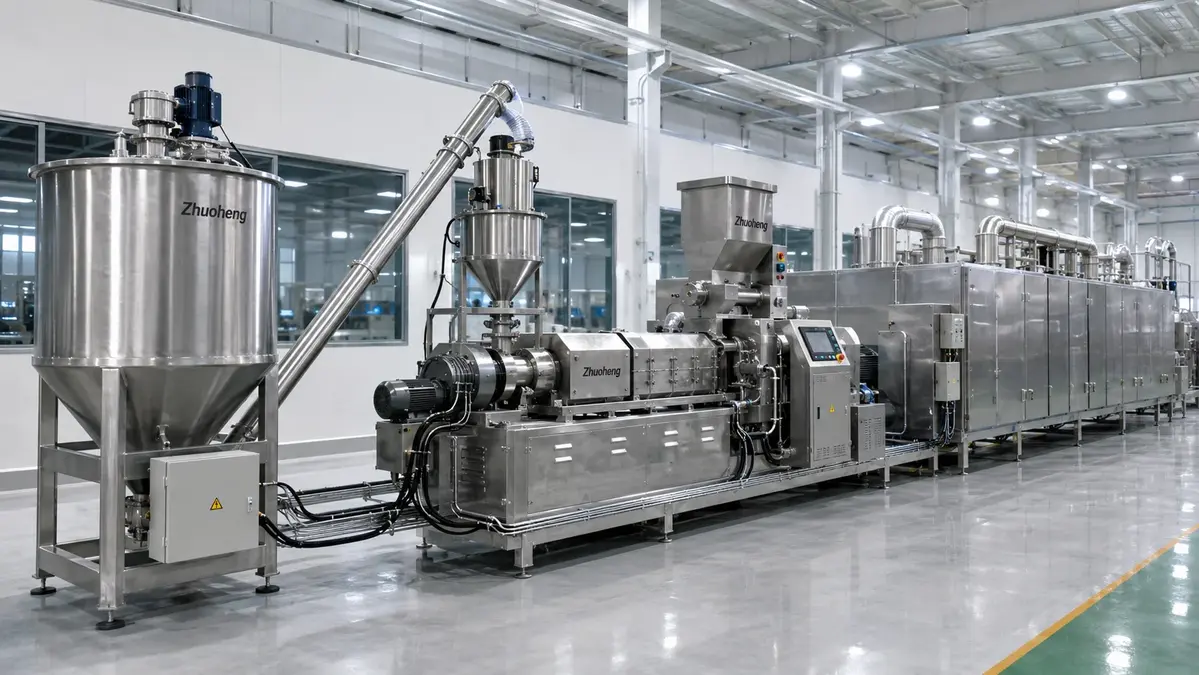
The space below, behind, and beside a machine is often the highest-value inspection area. Equipment can be hygienic in principle yet become a harborage risk when installed too close to walls, raised inadequately for cleaning, or surrounded by utility lines that prevent access.
Look closely at these points:
Equipment legs, feet, and floor anchors
Machine legs, adjustable feet, casters, base plates, and anchor points collect debris at ledges and seams. Hollow legs or unsealed tubular structures can become concealed niches if their ends, caps, or welds are damaged. Floor anchors and old mounting holes can also trap water and soil when they are not properly repaired or sealed.
Check whether sanitation personnel can see and reach all sides of the footings. If the answer is no, moving the equipment, changing the support arrangement, adding access panels, or revising the cleaning procedure may be more effective than repeatedly cleaning from the perimeter.
Conveyor frames and return paths
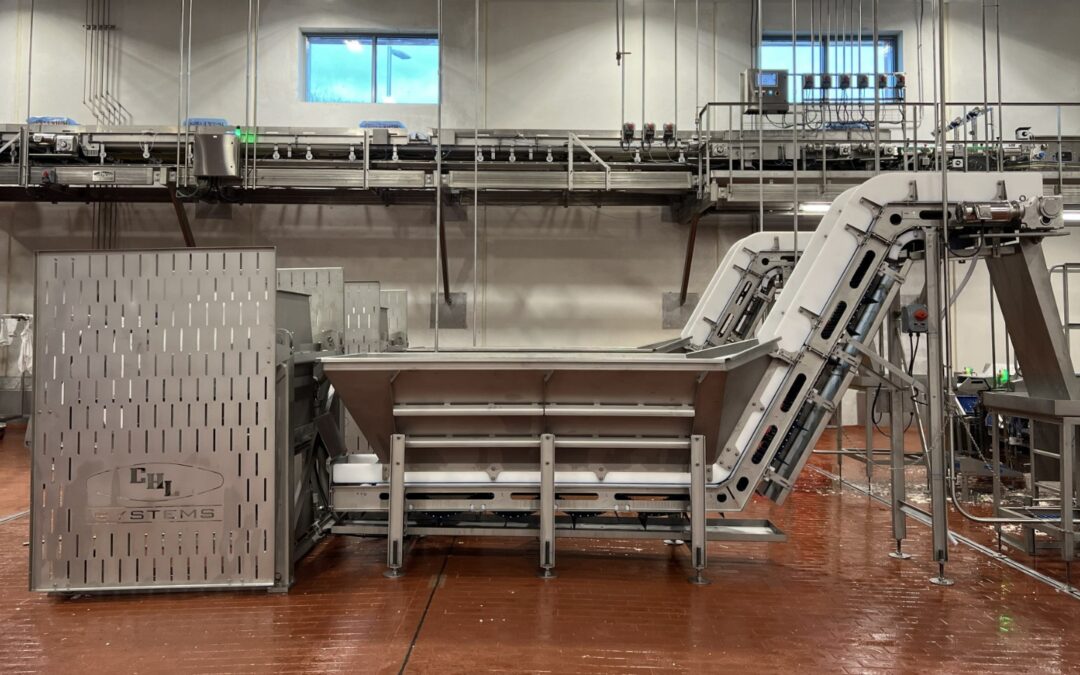
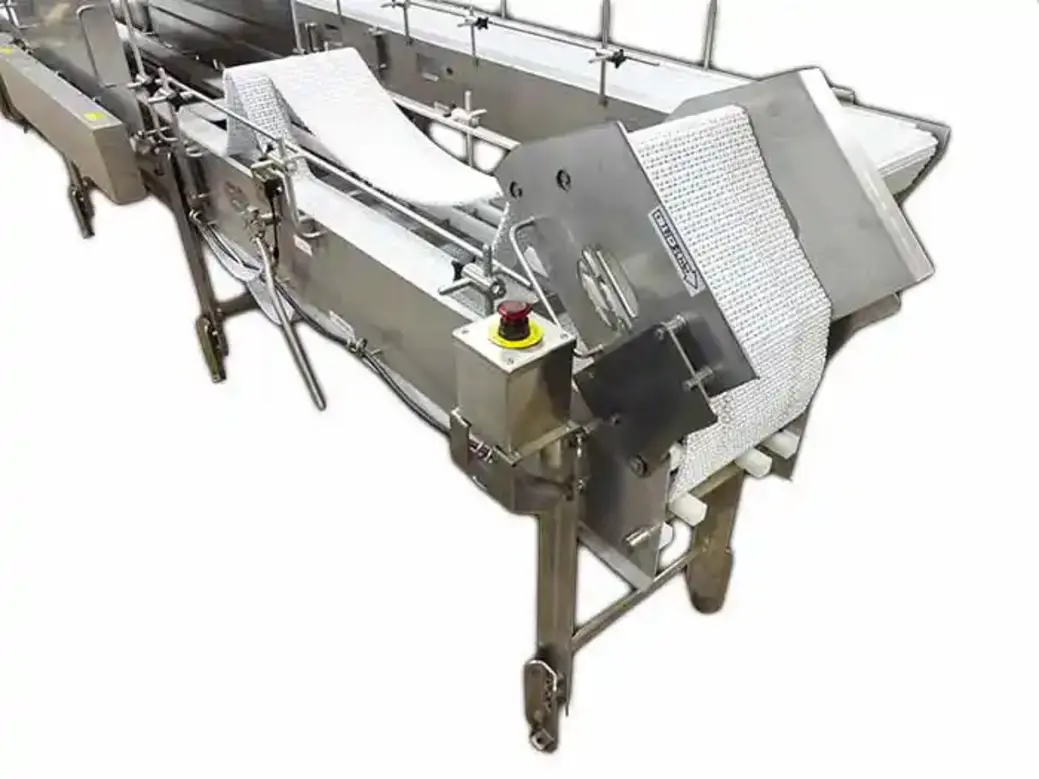
Conveyors create many concealed surfaces: belt returns, wear strips, transfer points, drive housings, drip pans, supports, guards, and underside cross-members. Product fines and moisture can accumulate where a belt changes direction or where framework blocks washdown access.
During downtime, inspect with guards opened only under the plant’s established lockout and safety procedures. Do not bypass guarding or enter a machine space to conduct an inspection. The inspection should identify whether debris is reachable, whether the design allows drainage, and whether removable parts can be reinstalled without creating new gaps.
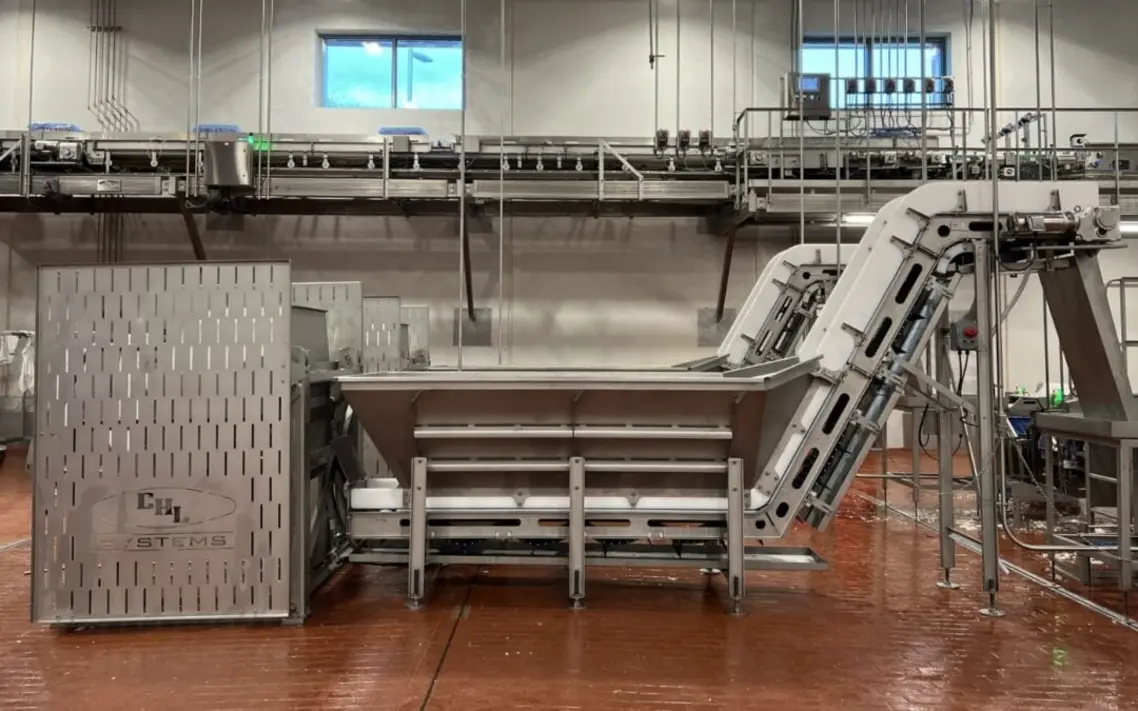
Source: chlsystems
Motors, gearboxes, and control enclosures
Warm electrical and drive components may attract or shelter insects when dust, product residue, or moisture is present. Motor bases and electrical enclosures are commonly missed because they are difficult to clean without damaging components or violating electrical-safety requirements.
Inspect outer surfaces, mounting ledges, cable entries, and the surrounding floor area. Have qualified personnel evaluate damaged gaskets, open knockouts, missing covers, or unused conduit openings. Electrical panels should not be washed, opened, or sealed in a way that conflicts with the equipment manufacturer’s instructions or applicable electrical requirements.
Check the gaps created by installation, not just the machine itself
A food-processing machine is part of a larger installation. The wall clearance, floor interface, utility routing, and service access arrangement can create harborage even when the machine is clean.
| Inspection point | Typical harborage condition | Corrective direction |
|---|---|---|
| Machine-to-wall gap | Narrow, inaccessible space that collects residue and blocks cleaning | Relocate equipment where feasible, create workable cleaning access, or redesign the interface |
| Wall or floor penetration | Unsealed space around pipe, conduit, cable tray, or duct | Repair with a suitable durable seal while preserving required utility access and fire-rated assemblies |
| Pipe supports and overhead racks | Dust buildup, condensation, or hidden ledges | Improve access, eliminate unnecessary clutter, and include the area in scheduled inspection |
| Damaged wall panels or curbs | Open seams leading into structural voids | Repair the surface and investigate the void before closing it |
| Obsolete equipment connections | Unused holes, abandoned conduit, disconnected pipe stubs | Remove or permanently close as part of maintenance work |
Utility penetrations and service routes
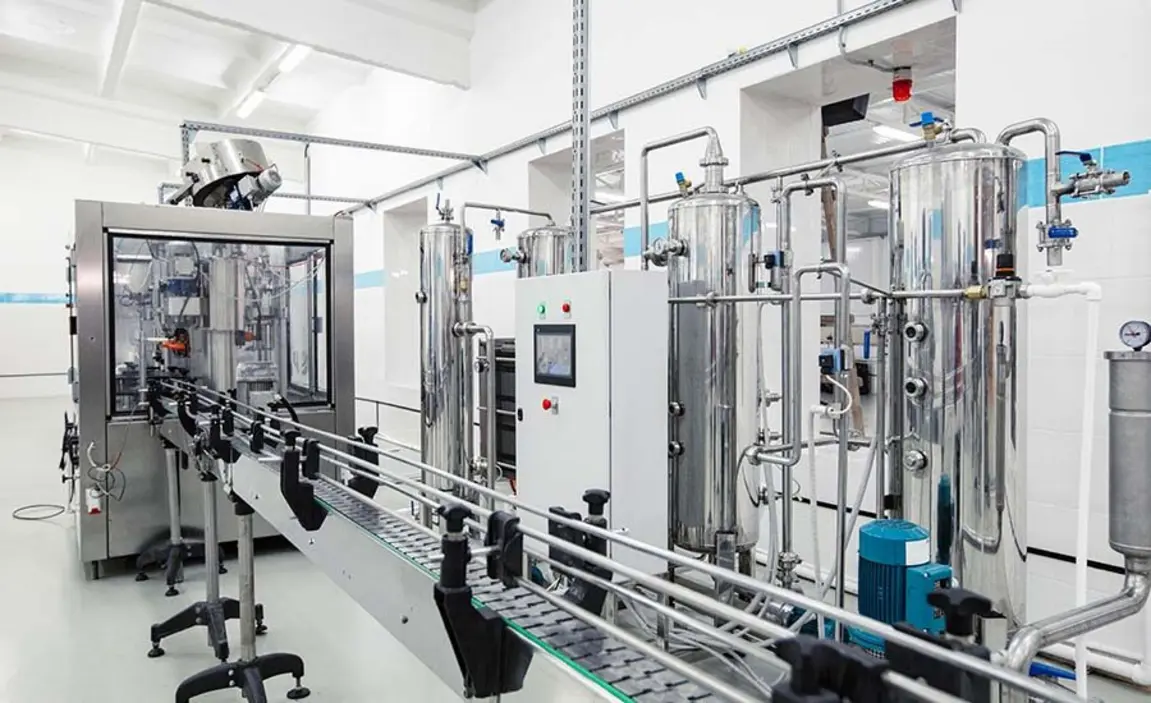
Pipes, conduits, cables, compressed-air lines, and drains can create pathways through walls and between rooms. A poor seal at an entry point can allow pest movement or conceal activity inside a void. The same is true of damaged door sweeps, gaps around dock equipment, and incomplete repairs after installation work.
The correction is not always “apply sealant.” First identify what the penetration serves, whether it needs movement allowance, whether it crosses a rated wall or sanitary boundary, and whether the repair can be cleaned and inspected afterward. Facilities, engineering, and qualified contractors may need to approve the repair method.
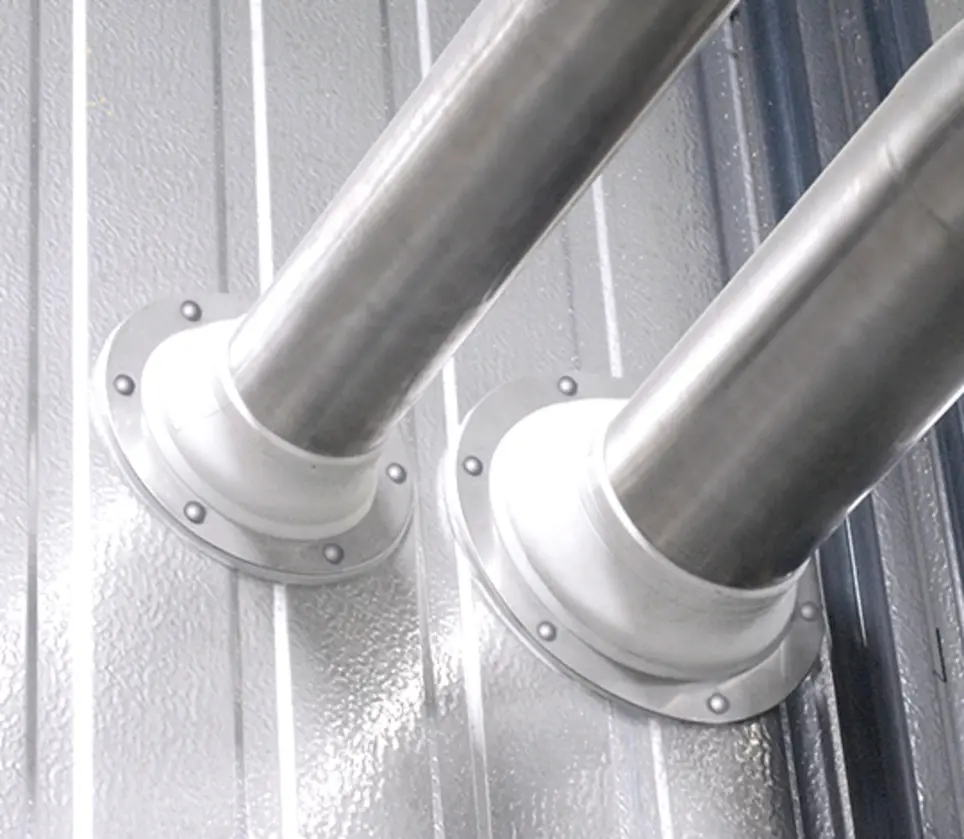
Source: s3.us-east-2.amazonaws
Treat drains and moisture as separate inspection targets
Drains below or near equipment deserve their own review because they can combine organic material, moisture, and inaccessible piping interfaces. Inspect drain covers, baskets, frames, surrounding grout or flooring, and the slope or condition of the area around the drain. Also check for slow leaks from valves, hoses, condensate lines, refrigeration equipment, or washdown connections.
Do not assume every drain-related pest observation comes from the drain itself. The relevant question is whether the drain area provides moisture, food residue, access to a void, or a poorly cleaned surface. Corrective actions may include repairing floor damage, eliminating a leak, revising cleaning methods, improving access beneath equipment, or having the drainage system assessed by qualified maintenance personnel.
Distinguish sanitation failures from structural failures
This distinction prevents recurring findings from being assigned only to the sanitation crew.
Sanitation-related conditions generally include visible residue, pooled water, neglected waste, product accumulation under equipment, and cleaning tools or materials stored in a way that blocks inspection. The solution is typically a revised cleaning task, better access, clearer ownership, or a change to the production-to-sanitation handoff.
Structural or installation-related conditions include wall gaps, damaged seals, voids beneath bases, inaccessible machine placement, deteriorated flooring, unsealed penetrations, and door or dock deficiencies. These require maintenance or capital planning, even if sanitation can temporarily reduce the risk.
Operational conditions include prolonged idle equipment with residual product, parts stored beneath lines, packaging held against walls, and temporary hoses or cables routed through openings. Operations managers should address these through staging rules and startup or shutdown checks.
Correct findings in the right order
A practical corrective-action sequence is:
- Protect product and assess the affected area. Follow the site’s food-safety and pest-management procedures when activity is found near exposed product, ingredients, or food-contact equipment.
- Remove immediate attractants. Clean accessible residues, remove standing water where safe to do so, and clear unnecessary stored items or waste.
- Identify the access route and shelter. Determine whether the issue is connected to a machine void, drain, wall opening, utility chase, or exterior entry point.
- Assign a permanent repair. Specify the physical correction, responsible department, materials or contractor needs, and required downtime.
- Verify cleanability after repair. A repair that closes one gap but creates an uncleanable ledge can shift the problem rather than solve it.
- Trend recurrence. Reinspect the location after normal operation and sanitation cycles. Repeated evidence in the same area indicates that the root cause was not fully removed.
Common mistakes that leave harborage in place
The most common mistake is treating monitoring results as the corrective action. Traps, stations, and monitoring devices can help identify activity, but they do not remove food residue, moisture, or structural shelter.
Other frequent problems include:
- Cleaning only visible machine surfaces while skipping undersides, bases, and adjacent drains.
- Positioning equipment so tightly that routine cleaning and inspection are impossible.
- Sealing a visible gap without checking whether it leads to a larger damaged void.
- Leaving unused cables, pipe penetrations, brackets, or mounting holes after equipment changes.
- Storing spare parts, packaging, or maintenance materials under equipment or against walls.
- Treating leaking utilities as a maintenance nuisance rather than a sanitation and pest-harborage issue.
- Closing panels or guards after repair without confirming that debris was removed from the enclosed space.
Build pest prevention into equipment changes
The best time to remove harborage is before a line is installed, moved, or rebuilt. Include sanitation, maintenance, quality, operations, and pest-management input in equipment layout reviews. Ask whether every side of the machine can be inspected, whether utilities can be cleaned around, whether drains remain accessible, and whether wall clearances create dead zones.
For hygienic equipment installation, the goal is not merely to fit the machine into available floor space. The installation should permit cleaning, visual inspection, maintenance, drainage, and durable sealing of interfaces. Where an older layout cannot meet that standard immediately, document the limitation and establish interim inspection and sanitation controls until a permanent change is feasible.
Equipment-area inspection checklist
Use this checklist during routine food factory pest inspection rounds:
- Are there product residues or moisture beneath, behind, or inside accessible equipment areas?
- Can personnel inspect machine feet, frame undersides, belt returns, guards, and utility connections?
- Are hollow legs, base plates, floor anchors, and unused floor holes intact and cleanable?
- Are drains, floor seams, and nearby wall bases free of damage, residue, and persistent moisture?
- Are cable, pipe, and conduit penetrations sealed and in good repair?
- Do control-panel exteriors, motor supports, and cable entries have visible debris or damaged closures?
- Has temporary equipment, packaging, or maintenance storage blocked cleaning access?
- Are recurring pest findings linked to a documented corrective action and verification date?
A strong pest-harborage program makes equipment conditions visible before they become an infestation or contamination concern. Routine inspection, accessible installation, effective sanitation, sound repairs, and coordinated follow-up are more durable than reacting only after pests are observed.
References
- The Importance of Equipment Sanitation at Your Food Processing Facility | Orkin. (n.d.). http://www.orkin.com/commercial/blog/the-importance-of-equipment-sanitation-at-your-food-processing-facility
- [PDF] 8 Food Plant Sanitation, Pest Exclusion and Facility Design. (n.d.). https://entomology.k-state.edu/doc/finished-chapters/s156-ch-08-sanit-exlus-design.pdf
- Cleaning, Sanitizing, and Pest Control in Food Processing, …. (n.d.). https://seafood.oregonstate.edu/sites/agscid7/files/snic/cleaning-sanitizing-and-pest-control-in-food-processing-storage-and-service-areas.pdf
- Food Facility Design & Pest Prevention. (n.d.). https://www.rkenvironmental.com/blog/pest-management/facility-design-pest-prevention-in-food-facilities
- Pest Management SOPs for Food Processing Plants and the Importance of FSMA | Food Safety Magazine. (n.d.). https://www.food-safety.com/articles/3665-pest-management-sops-for-food-processing-plants-and-the-importance-of-fsma
- 10 Places Where Pathogens Hide in Produce Processing Plants. (n.d.). https://www.solenis.com/en/resources/blog/where-pathogens-hide-produce-processing
- 2016 Pest Management Standards for Food Processing …. (n.d.). https://quizlet.com/study-guides/2016-pest-management-standards-for-food-processing-facilitie-4bcb69f8-3048-46ef-bdfb-55f2a4594530
- The Importance of Equipment Sanitation at Your Food Processing Facility | Orkin. (n.d.). http://orkin.com/commercial/blog/the-importance-of-equipment-sanitation-at-your-food-processing-facility