Choosing PET bottle packaging for a shelf-stable functional beverage starts with the process, not the bottle shape. The bottle, neck finish, closure, product formulation, fill method, headspace condition, and intended distribution life must work as one package system. A standard PET bottle may suit a cold-filled product, but it can distort, panel, leak, or lose product quality if it is used with a hot-fill or oxygen-sensitive beverage without proper engineering.
For PET bottle selection for shelf-stable beverages, first define the validated preservation route and shelf-life target. Then select a bottle designed for the expected heat and pressure conditions, determine whether oxygen protection is needed, match the closure and liner to the finish and capping equipment, and confirm that the complete package runs reliably on the intended co-packer line. Packaging suppliers and co-packers should review the final bottle-and-closure combination before a commercial commitment.
Start with the filling process
The filling process creates the basic packaging requirement. Terms such as “shelf stable,” “ambient,” and “functional water” do not describe a packaging process by themselves. Two products with similar labels may require very different containers because of their pH, ingredients, preservation method, filling temperature, and expected storage period.
Common process routes include:
| Process route | Main package question | Typical PET implication |
|---|---|---|
| Cold fill | Is the product protected by a validated process and hygienic filling environment? | Standard PET may be suitable if the bottle is not exposed to damaging heat or unusual internal pressure. |
| Hot fill | Can the bottle, finish, closure, and label tolerate filling heat and subsequent cooling vacuum? | Usually requires a heat-set bottle designed for the specific process window. |
| Aseptic filling | Is the bottle and closure compatible with the aseptic packaging system and product sensitivity? | Bottle design, preform specification, barrier needs, and closure handling require system-level review. |
| Carbonated filling | Can the package retain pressure without deformation or excessive gas loss? | Requires a pressure-capable bottle design and compatible closure system. |
High-acid and acidified beverages are often associated with hot-fill systems, while other shelf-stable products may use aseptic processing. That does not make a bottle automatically suitable. Product safety and process authority decisions should be established separately from packaging selection. Confirm the formulation classification, preservation process, required process conditions, and regulatory obligations with qualified food-safety, processing, and regulatory personnel.
Select the bottle for heat, vacuum, and handling loads
Standard PET is not interchangeable with hot-fill PET. Heat-set PET bottles are produced to provide greater thermal stability than conventional cold-fill bottles. Their geometry is also important: bottle walls, shoulder, base, and grip areas must maintain shape during filling, capping, cooling, conveying, case packing, and distribution.
A hot-filled beverage can create a vacuum as the sealed product cools. If the container cannot manage that pressure change, sidewalls may pull inward. This is commonly called paneling. A bottle may use vacuum panels, a flexing base, or other purpose-designed geometry to absorb the change while preserving a controlled appearance.
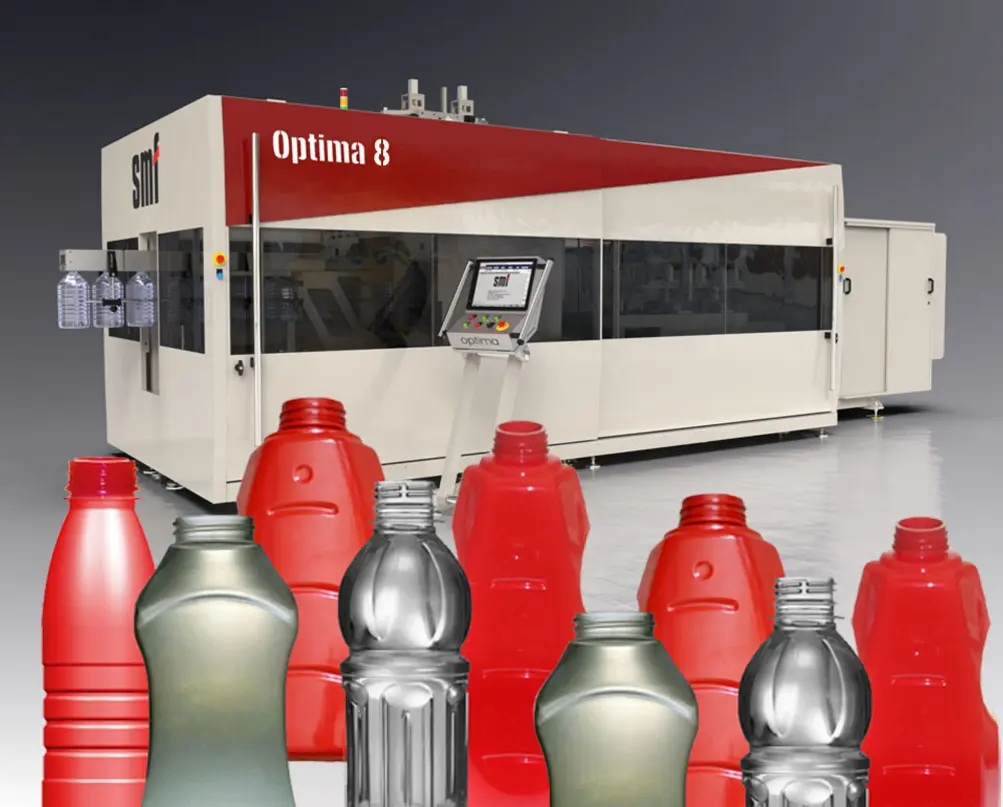
Source: smfgmbh
When comparing hot-fill PET bottles, ask the supplier for the validated operating envelope rather than relying on a general “hot-fill compatible” description. The operating envelope should address the proposed filling and cooling conditions, fill level, closure application, product density where relevant, and bottle orientation or handling after filling.
Bottle features to review
- Resin and preform specification: The bottle supplier should confirm the PET grade, preform design, molding route, and whether recycled content changes the approved application range.
- Bottle weight and wall distribution: Lightweighting can reduce material use, but it may reduce stiffness or barrier performance if not re-engineered for the product and process.
- Vacuum-management geometry: Confirm whether the bottle is intended to absorb cooling vacuum and where controlled movement is expected.
- Base stability: Check standing stability after cooling, during conveying, and after thermal exposure.
- Neck finish design: The finish must match the closure, chuck, capper setup, and tamper-evident band requirements.
- Label panel and decoration: Shrink sleeves, pressure-sensitive labels, adhesives, inks, and date coding should be assessed under the actual process and storage conditions.
An attractive stock bottle can still be a poor line fit. Bottles with unusual shoulders, tall slender proportions, deep grip features, or nonstandard bases may need rail, starwheel, guide, or handling adjustments on a co-packer’s line.
Treat oxygen control as a product-quality decision
PET allows small gas molecules to permeate over time. For many ambient beverages, that may be acceptable. For oxygen-sensitive products, oxygen ingress can contribute to flavor change, aroma loss, color shift, or degradation of vulnerable nutrients and botanical components.
Functional water PET packaging deserves a specific oxygen review when the drink contains oxidation-sensitive flavors, juices, teas, natural colors, vitamins, or other ingredients with a limited sensory stability window. The decision should not be based on product category alone. It should be based on the actual formula, package size, bottle wall thickness, headspace, distribution conditions, and shelf-life target.
Potential oxygen-control approaches include:
- increasing bottle wall thickness where appropriate;
- using a bottle design with improved passive barrier performance;
- considering multilayer or barrier technologies where compatible with the recycling strategy and supply chain;
- evaluating active oxygen-scavenging systems with the packaging supplier;
- minimizing oxygen pickup through formulation, processing, filling, and headspace controls; and
- selecting a closure system with suitable barrier performance.
Barrier selection is not only a bottle decision. A high-barrier PET body cannot compensate for excessive oxygen pickup at filling, a poorly matched cap, or unstable product chemistry. Conversely, a barrier package may add cost and complexity without benefit if the product is stable for its intended life in a simpler bottle.
A practical request to a packaging supplier is: “What package specification supports this product’s sensory and nutritional shelf-life target under our expected storage and distribution conditions?” That shifts the conversation from generic barrier claims to a measurable development plan.
Match the closure to the bottle finish and process
Beverage bottle closure selection should cover more than cap color and tamper-band appearance. The closure must seal reliably on the bottle’s specified finish, withstand the process, work with the capping equipment, and maintain seal integrity through distribution.
Review these closure factors early:
Finish and thread compatibility
Use a closure made for the exact neck finish, not a visually similar alternative. Finish dimensions, threads, sealing land, support ring, and cap engagement affect application performance. A change in bottle supplier or preform may require closure revalidation even when the nominal finish name is unchanged.
Liner or sealing system
Some closures rely on an internal liner; others use a linerless sealing design. The correct choice depends on the finish, product, process, and seal requirements. Suppliers should confirm material compatibility with the beverage and expected filling conditions. Any migration, food-contact compliance, or material-declaration requirement should be verified for the markets where the beverage will be sold.
Application torque and removal experience
Cap application needs to create a reliable seal without damaging the finish or making the package difficult to open. Torque targets, capper head setup, chuck condition, and bottle support all influence results. Establish these parameters through supplier and co-packer trials rather than transferring settings from another package.
Tamper evidence and venting behavior
Tamper-evident bands should separate consistently during opening and remain compatible with the finish. If the product or process can create pressure or vacuum effects, the closure system should be evaluated for sealing, handling, and consumer opening performance under those conditions.
Manage headspace as part of package design
Headspace affects oxygen exposure, cooling behavior, fill-level appearance, and container stress. It should be defined as part of the filling specification, not left as a routine filler adjustment.
For ambient beverage packaging, the development team should understand:
- how much headspace is intended at filling;
- how product temperature changes package pressure after sealing;
- whether inert gas dosing is proposed;
- how dissolved gases or carbonation affect the package; and
- whether the target fill level remains acceptable after cooling and normal storage.
Nitrogen dosing may be considered for some products and processes, but it is not a universal correction for an unsuitable bottle. It can change internal pressure behavior and requires proper equipment, controls, and validation. The co-packer should confirm whether its filler and downstream equipment are designed for the proposed approach.
Confirm co-packer line fit before ordering inventory
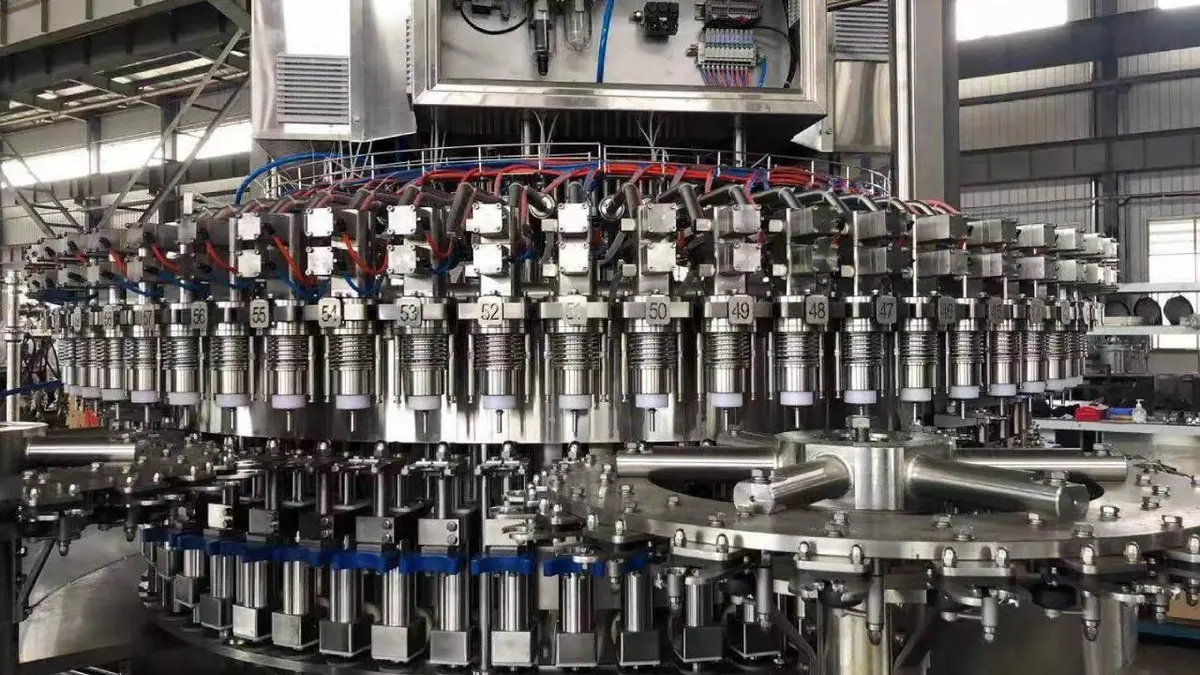
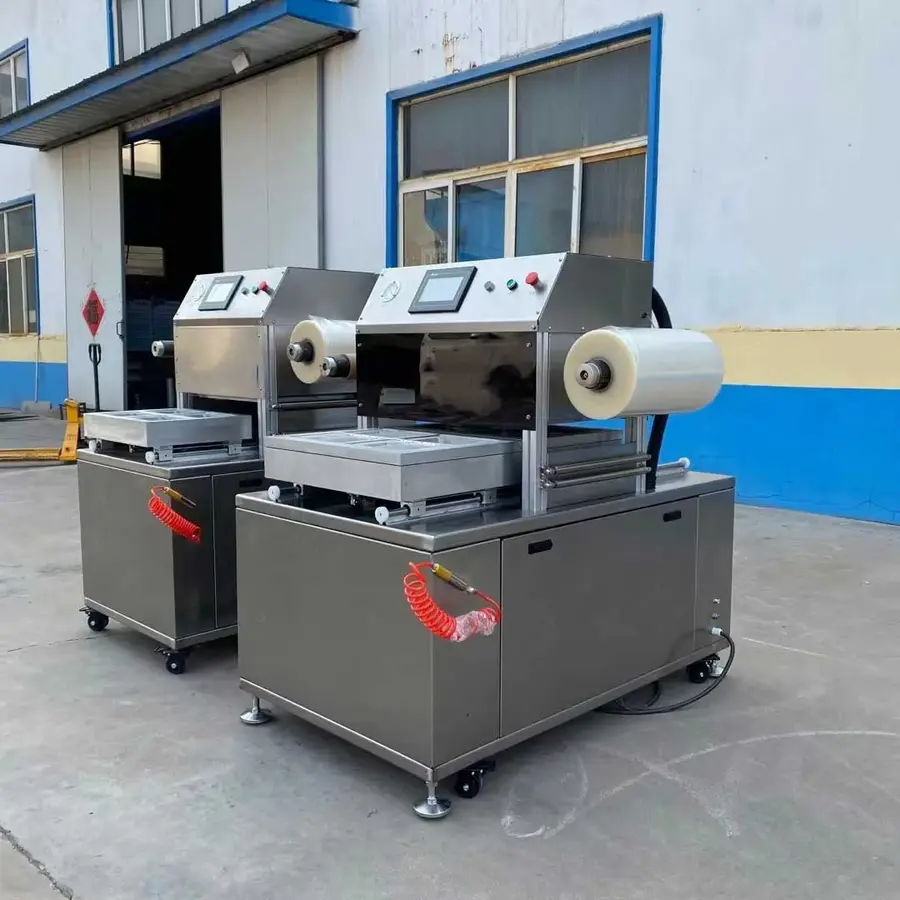
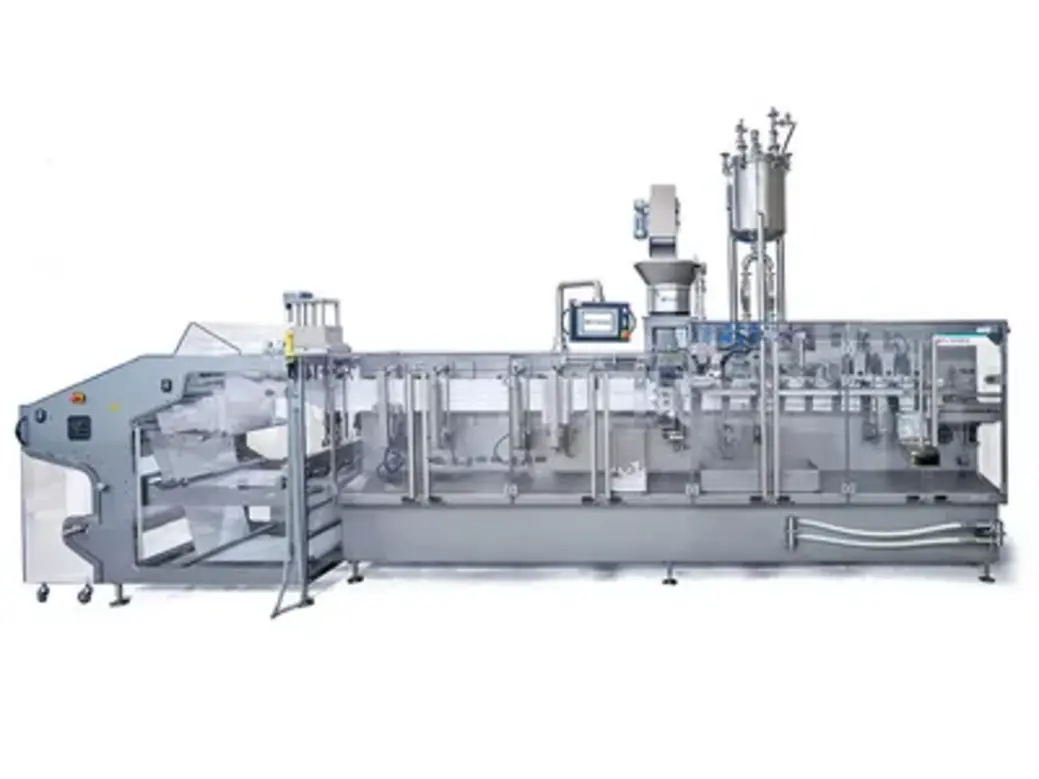
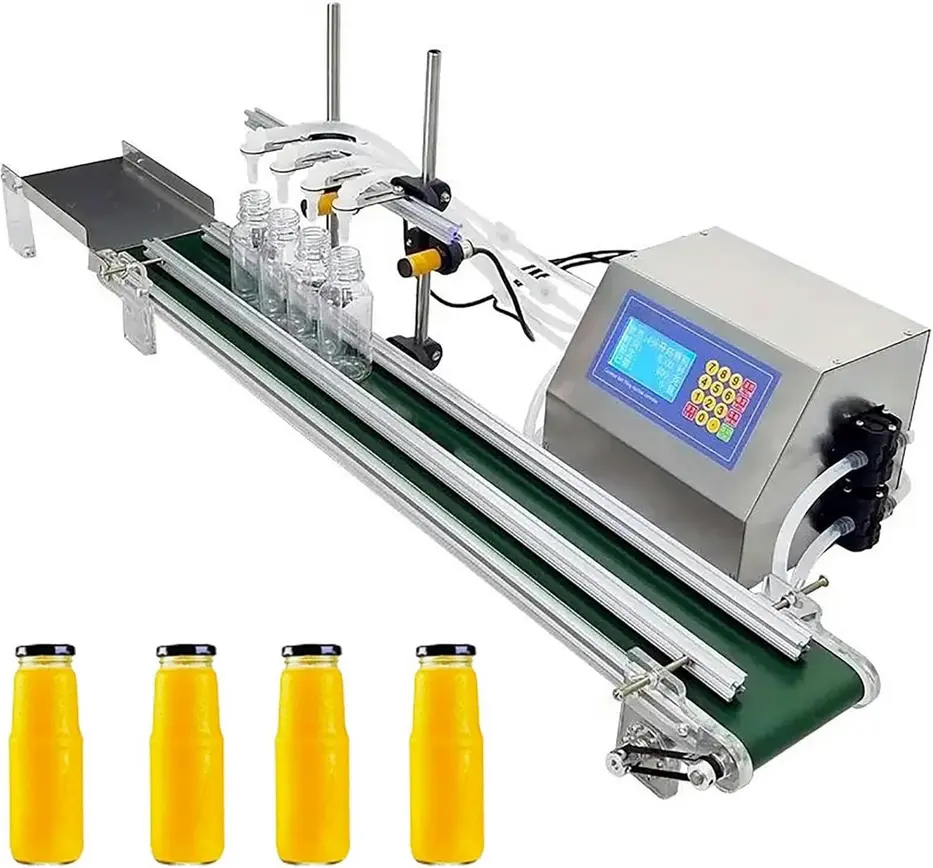
A technically suitable bottle can still fail as a commercial package if it does not run on the selected line. Co-packers may have limits related to bottle diameter, height, base profile, neck finish, cap type, label format, case pack, pallet pattern, and available change parts.
Before purchasing production quantities, provide the co-packer with bottle drawings, closure drawings, samples, label specifications, expected product conditions, and the intended process route. Ask for written confirmation of what requires a line trial, new change parts, capper modifications, labeler adjustments, or revised pack-out materials.
Important line-fit questions include:
- Can the depalletizer, air conveyor, rinse system, filler, capper, and discharge conveyor handle the bottle geometry?
- Is the filler rated for the planned process conditions?
- Are the cap and bottle finish compatible with the installed capper heads and chucks?
- Can the selected label be applied after the required cooling or drying stage?
- Will the bottle remain stable through accumulation, packing, and palletizing?
- Are inspection systems able to check fill level, cap presence, tamper band, coding, and label placement on this format?
Run a package validation plan, not only a filling trial
A successful pilot should test the package as it will be sold, transported, and opened. It should include filled bottles from normal operating conditions, not only hand-filled or laboratory-prepared samples.
A practical validation plan may include:
- Incoming component checks: Confirm bottle, closure, label, and case materials match approved specifications.
- Line trial: Observe bottle handling, filling, capping, coding, labeling, packing, and changeover performance.
- Package integrity checks: Evaluate seal consistency, closure application, visible deformation, leaks, and tamper-evident function.
- Thermal and vacuum observation: Inspect bottles after cooling and at appropriate intervals for paneling, base changes, or finish distortion.
- Shelf-life study: Assess product quality and package performance through the intended storage period and realistic distribution conditions.
- Transport evaluation: Check scuffing, cap loosening, bottle damage, case performance, and pallet stability.
- Consumer-use review: Confirm opening force, pour behavior, grip, label legibility, and the finished package appearance.
Shelf-life protocols, product testing, and any microbiological verification should be developed with qualified technical personnel and aligned with the approved preservation process. Packaging trials can reveal problems, but they do not replace process validation.
Common PET bottle selection mistakes
The most expensive errors usually occur when packaging is selected too late or evaluated in isolation.
- Choosing a standard PET bottle because the product is “only a flavored water.”
- Assuming a bottle marked for hot fill is suitable for every filling and cooling condition.
- Adding an oxygen barrier without first assessing oxygen pickup during production.
- Specifying a closure before confirming the final neck finish and capper compatibility.
- Treating vacuum paneling as a cosmetic defect rather than a package-design signal.
- Approving samples without a representative co-packer line run.
- Changing bottle weight, rPET level, cap supplier, or label material after validation without reviewing the effects on performance.
A practical selection sequence
For a new ambient functional beverage, use this order:
- Confirm the formulation, approved preservation route, and intended shelf life.
- Define filling, capping, cooling, and distribution conditions with the production partner.
- Select a PET bottle family designed for those conditions.
- Decide whether oxygen-barrier protection is justified by product sensitivity and shelf-life testing.
- Match the closure, sealing system, and tamper evidence to the final neck finish and capper.
- Confirm line fit and required change parts with the co-packer.
- Validate the complete package through line, integrity, shelf-life, and distribution testing.
The right bottle is therefore not simply the lightest PET option or the one with the preferred shelf appearance. It is the bottle-and-closure system that protects the beverage, survives the validated process, runs consistently on the selected line, and remains acceptable through the intended ambient supply chain.
References
- Polyethylene Terephthalate (PET) Bottle-to-Bottle Recycling for the Beverage Industry: A Review. (n.d.). https://www.mdpi.com/2073-4360/14/12/2366
- Understanding Filling Methods: A Key Process in Food and Beverage Production. (n.d.). https://evergreenresources.com/filling-methods-food-and-beverage
- Hot Fill vs Cold Fill Juice: Process, pH & Shelf Life (2026) - Masstech. (n.d.). https://masstechx.com/blog/hot-fill-vs-cold-fill-juice
- Explore the Global Hot Fill Packaging Market — analysis of key trends, regional growth, top players, and a 10-year forecast from 2026 to 2036. (n.d.). https://www.futuremarketinsights.com/reports/hot-fill-packaging-market
- Beverage Shelf Life & Stability: A Founder’s Guide. (n.d.). https://www.madebygenie.com/blog/beverage-shelf-life-stability-guide-founders
- OxyBLO2 PET Oxygen Barrier | ColorWay. (n.d.). https://colorwayglobal.com/pages/pet-oxygen-barrier-selection
- Hot Fill vs Aseptic Cold Fill: Which Is Better for Beverage …. (n.d.). https://www.zjzhongbo.com/blog/hot-fill-vs-aseptic-cold-fill-which-is-better-for-beverage-packaging
- Oxygen Barrier Technology for PET Beverage Packaging | Petainer News. (n.d.). https://www.petainer.com/insights/packaging-technology/oxygen-barrier-technology-beverage-packaging