Pharmaceutical equipment can sometimes be used in meat processing, but pharmaceutical service alone does not make a machine suitable for food use. The equipment must be evaluated for the actual meat product, the production environment, hygienic cleanability, drainage, materials, operator safety, and the documentation needed to place it into a food safety system.
In practice, stainless vessels, sanitary pumps, enclosed transfer systems, mixers, and some controls may be strong candidates for adaptation. Equipment with poor drainage, inaccessible product zones, unsuitable seals, hidden voids, difficult-to-clean conveyors, or incomplete records may be impractical to qualify even if it was originally built for a highly regulated pharmaceutical process.
Start With a Go/No-Go Decision
A useful first question is not, “Was this machine pharmaceutical grade?” It is, “Can this specific machine be shown to be appropriate for this specific meat process?”
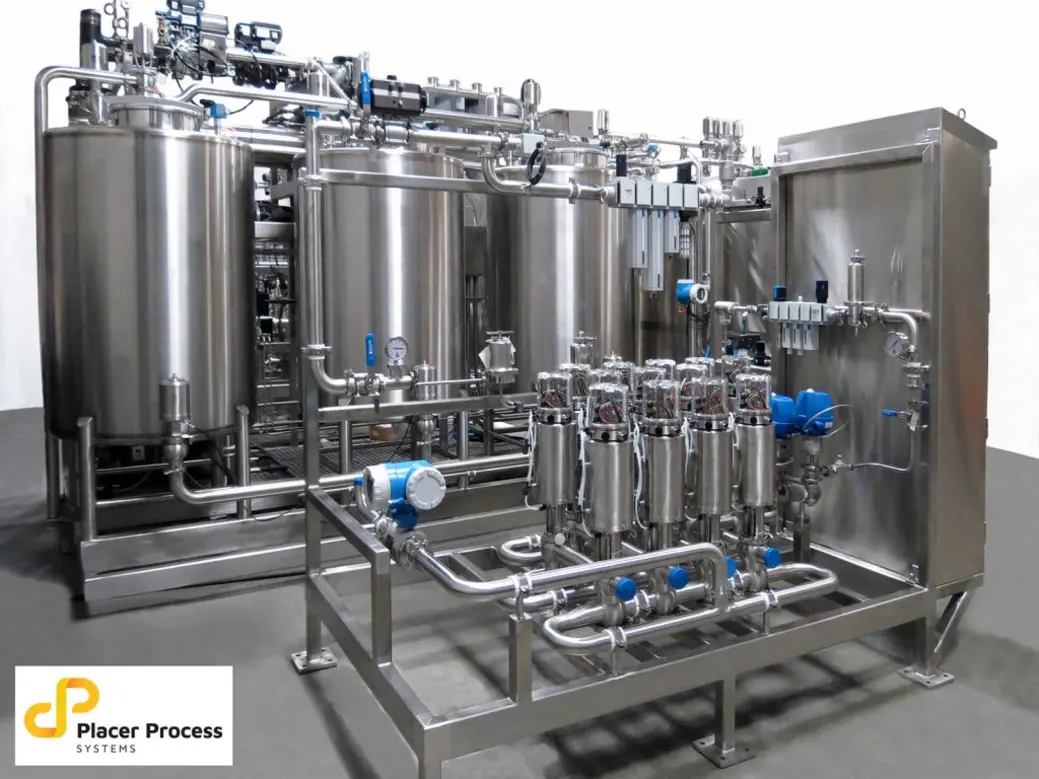
A pharmaceutical liquid-transfer skid may be a better starting point than a conventional industrial pump because it may have polished product-contact surfaces, sanitary fittings, documented materials, and a controlled cleaning design. Yet it may still be unsuitable for raw meat slurry, ground meat, marinades containing particulates, or viscous emulsions if its pump geometry, clearances, seals, or cleaning arrangement cannot handle those products.
Similarly, a pharmaceutical ribbon blender may be well built but poorly suited to meat if it has internal ledges, a difficult-to-clean discharge valve, hollow agitator sections, or a drive arrangement that cannot be safely guarded and cleaned in a wet production area.
Use a staged decision:
- Define the intended meat application. Identify whether the machine will contact raw meat, cooked product, brine, seasoning, packaging materials, or only non-product utilities.
- Inspect the machine as built. Evaluate the actual condition, not only the original specification or nameplate.
- Review hygienic and mechanical compatibility. Check product-contact design, drainage, seals, access, throughput, utilities, guarding, and controls.
- Close documentation gaps. Obtain or recreate the information needed for maintenance, cleaning, food safety review, and safe operation.
- Qualify the equipment before routine use. Establish installation, cleaning, operating, and product-changeover requirements through the plant’s quality and food safety process.
If any critical product-contact area cannot be inspected, cleaned, drained, or supported with credible material information, treat the machine as a no-go until the issue is corrected and verified.
Which Pharmaceutical Equipment Transfers Most Easily?
The best candidates are generally equipment whose processing function and hygienic geometry match the meat application. The hardest conversions are usually machines designed around powders, tablets, sterile filling, or low-viscosity liquids when the meat process involves fibers, fat, particulates, sticky emulsions, aggressive washdown, or frequent allergen and product changes.
| Equipment type | Potential meat use | Main suitability questions |
|---|---|---|
| Sanitary vessels and tanks | Brine, marinade, sauces, liquid ingredients, intermediate holding | Can the vessel fully drain? Are vents, lids, nozzles, level instruments, and agitator seals cleanable? |
| Pumps and transfer skids | Brine, sauces, liquid fat, meat emulsions, slurry transfer | Is the pump suitable for product viscosity and particles? Can seals and internal cavities be cleaned and inspected? |
| Mixers and blenders | Marinades, seasoning systems, some emulsified products | Does the agitator create inaccessible product traps? Is discharge complete and cleanable? |
| Hygienic piping and valves | Ingredient, brine, water, and cleaning circuits | Are dead legs, low points, valve cavities, and branch connections controlled? |
| Conveyors | Packaged product or selected raw-material handling steps | Are belts, frames, returns, rollers, and supports accessible for cleaning and drainage? |
| Controls and automation | Recipe control, batching, records, interlocks | Can controls be integrated safely with meat plant procedures and existing plant systems? |
A useful distinction is between sanitary construction and process suitability. A highly polished stainless pump may be hygienic in construction but unable to transfer coarse meat slurry without excessive damage, poor flow, or cleaning difficulty. A rugged meat pump may handle the product well but require a separate review of seals, cleanout access, and washdown protection.
Hygienic Design Review: What to Inspect
Food equipment hygienic design centers on preventing product accumulation and allowing effective cleaning, sanitizing, inspection, and maintenance. This is especially important in raw-meat areas, where product residues can collect in seams, seals, drains, fasteners, hollow sections, and poorly designed interfaces.
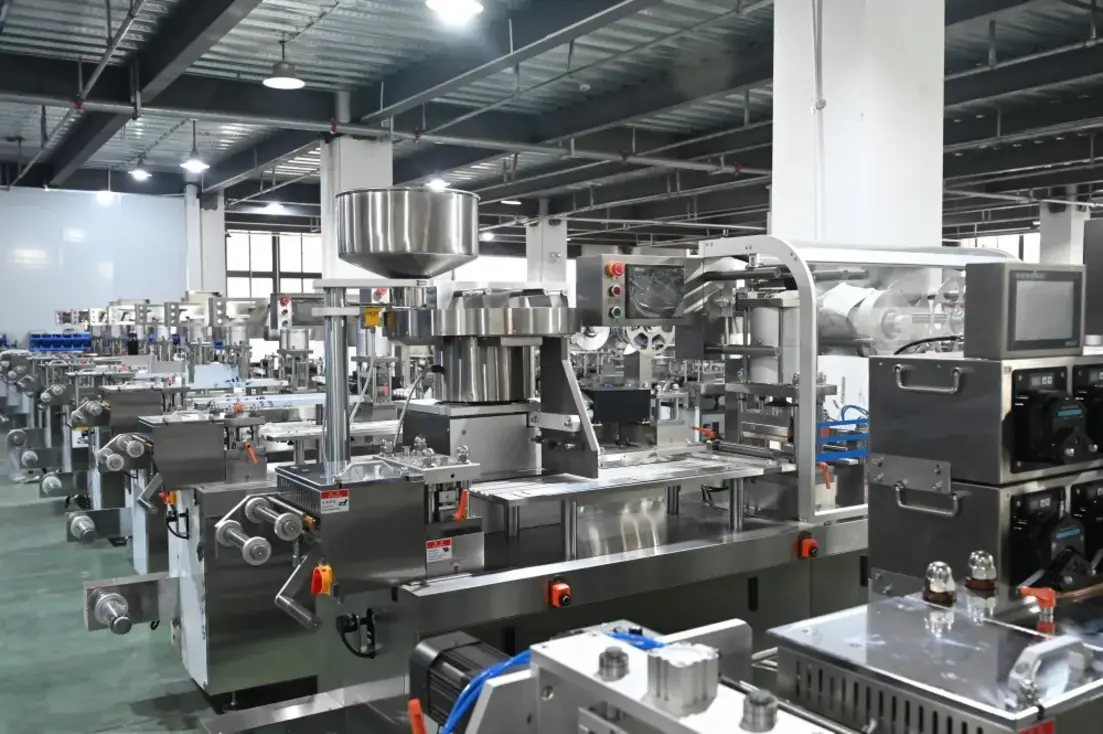
Source: image.made-in-china
Product-contact materials and finishes
Confirm what contacts the product: stainless grades, elastomers, plastics, coatings, gaskets, sight glasses, adhesives, lubricants, filter media, and instrument wetted parts. Material compatibility must cover the product, cleaning chemicals, water quality, temperature exposure, and mechanical wear expected in the proposed service.
Do not assume that a material accepted for pharmaceutical duty is automatically appropriate for food contact in the target market. Ask for material certificates, declarations, component data, and previous service records where available. When documentation is missing, involve qualified food safety, engineering, and regulatory personnel before approving the equipment.
Inspect surfaces for pitting, cracks, corrosion, damaged polishing, worn coatings, and repairs. A surface that looks clean may still contain defects that retain residue or make inspection unreliable.
Drainage and product removal
Meat processing equipment should not retain product, rinse water, or cleaning solution in low points, horizontal runs, valve cavities, hollow sections, and enclosed frames. Observe how the machine drains in its installed orientation, not just how it appears in drawings.
Pay close attention to:
- Vessel bottoms and outlet geometry
- Pump casings and seal flush arrangements
- Flexible hoses and hose-end fittings
- Valve bodies and manifolds
- Conveyor framework, drip pans, and belt returns
- Covers, lids, hinges, and top rims
- Instrument ports and sample connections
- Support legs, structural tubes, and welded seams
Pharmaceutical equipment may include sophisticated piping but still have low points intended for a different cleaning regime. A plant should determine whether the proposed cleaning method can reach, remove, and drain residues from every relevant product zone.
Access, disassembly, and inspection
A machine can only be qualified if critical surfaces can be accessed directly or cleaned through a validated process appropriate to its design. For meat applications, assess whether operators can safely open covers, remove guards, inspect seals, disassemble relevant components, and reassemble the equipment consistently.
Avoid relying on a cleaning-in-place approach simply because the equipment has spray devices or clean-in-place connections. The plant needs to confirm that the actual circuit covers the intended surfaces at the required operating conditions and that cleaning results can be verified under its own program.
Crevices, hollow members, and repairs
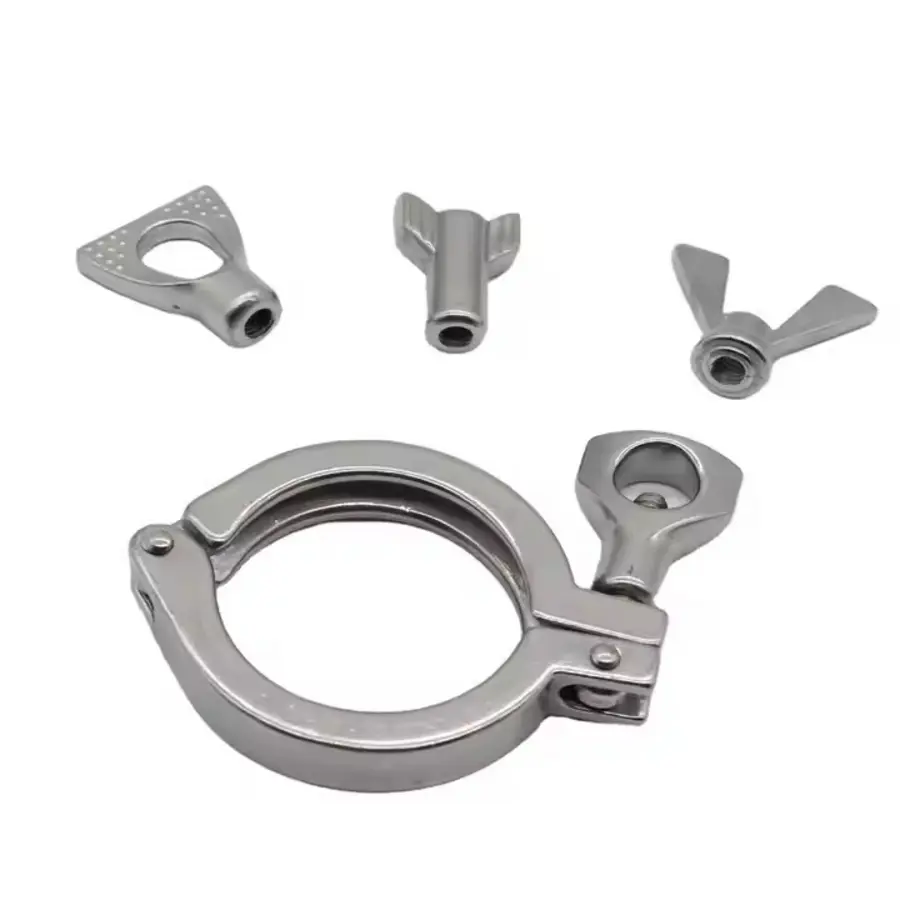
Hygienic design guidance consistently emphasizes avoiding niches, unsealed hollow areas, difficult joints, and product-retaining spaces. Inspect welded joints, threaded connections near product zones, gasket seats, fasteners, hinged covers, framework, and areas around bearings and shaft seals.
A repaired used machine deserves particular scrutiny. Weld repairs, non-original gaskets, altered pipework, improvised brackets, and patched electrical enclosures can change cleanability and washdown performance. Record these modifications and decide whether they require engineering correction before commissioning.
Mechanical Fit Matters as Much as Hygiene
A hygienically cleanable pharmaceutical machine may still be a poor production fit. Meat products can vary widely in viscosity, particle size, fat content, fiber length, temperature condition, and sensitivity to shear.
Review the following before purchase or transfer:
- Product behavior: Can the machine move, mix, fill, or hold the actual formulation without unacceptable separation, smearing, grinding, air incorporation, or blockage?
- Capacity and batch size: Does the equipment fit the plant’s production rate without creating excessive holding time or manual handling?
- Feed and discharge interfaces: Can upstream grinders, pumps, hoppers, stuffers, or packaging equipment connect without exposed transfer points or difficult-to-clean adapters?
- Utilities: Confirm electrical supply, compressed air, water, steam where applicable, drainage, ventilation, and washdown suitability.
- Environmental rating: Determine whether motors, control panels, sensors, cable entries, and operator interfaces can tolerate the area’s cleaning and moisture exposure.
- Maintenance access: Verify space to service seals, bearings, gearboxes, valves, instruments, and drives without compromising sanitary barriers.
A common mistake is focusing on the central vessel or pump while overlooking the surrounding system. The added reducers, hoses, supports, discharge chutes, electrical modifications, and manual transfer steps often create the greatest hygienic risk.
Documentation: The Hidden Qualification Barrier
Used pharmaceutical equipment food plant projects often fail because the mechanical machine is available but the supporting records are incomplete. For food use, documentation is not paperwork for its own sake; it supports safe installation, cleaning, maintenance, traceability, and change control.
Request and review, where relevant:
- Equipment identification, manufacturer, model, serial number, and build records
- Product-contact material information and gasket or seal specifications
- Piping and instrumentation diagrams, electrical drawings, and control narratives
- Operating, maintenance, cleaning, and troubleshooting manuals
- Previous cleaning procedures and any available cleaning coverage information
- Calibration records for instruments that will be retained
- Spare-parts lists and evidence that critical components remain available
- Modification history, service records, and prior process use
- Risk assessments, safety information, and guarding documentation
Missing documentation does not always mean the equipment must be rejected. It does mean the buyer should budget time and engineering work to inspect, document, test, and establish a controlled baseline before use.
Qualification Checklist for a Meat Plant
The following checklist can guide an internal review. It is not a substitute for the plant’s food safety plan, local regulatory obligations, or qualified engineering and sanitation review.
1. Define the intended use
- Identify the exact product and processing step.
- Determine whether the machine contacts raw, ready-to-eat, allergen-containing, or non-product material.
- Define expected operating range, batch size, product flow, and changeover needs.
- Identify the cleaning method and the personnel responsible for cleaning and inspection.
2. Perform a physical condition assessment
- Inspect product-contact surfaces, seals, welds, valves, nozzles, and hoses.
- Check for corrosion, cracks, pitting, damaged finishes, residue, and unsealed voids.
- Verify drainage in the intended installed position.
- Identify parts requiring disassembly and determine whether that work can be done safely and repeatably.
3. Review hygienic compatibility
- Confirm materials and nonmetal components are appropriate for the intended service.
- Map product zones, splash zones, and non-product zones.
- Locate potential dead spaces, ledges, trapped-liquid areas, and inaccessible cavities.
- Evaluate whether cleaning and sanitizing procedures can be developed and verified.
4. Review safety and integration
- Assess guards, emergency stops, interlocks, access doors, and pinch or entanglement hazards.
- Verify electrical and control-panel suitability for the installation environment.
- Confirm that modifications will not defeat existing safety functions.
- Review floor loading, lifting requirements, access routes, and drainage around the machine.
5. Establish qualification evidence
- Record the as-installed configuration and approved components.
- Create operating, cleaning, inspection, and preventive-maintenance procedures.
- Define acceptance criteria for cleaning and pre-operational inspection under the plant’s program.
- Train relevant operators, sanitation personnel, and maintenance staff.
- Control future changes to product-contact parts, programming, cleaning methods, and installed piping.
Common Reasons to Reject or Rebuild Equipment
Some deficiencies are straightforward to correct, such as replacing worn seals, adding hygienic fittings, improving access panels, or upgrading washdown protection. Others may require extensive rebuilding or make the project uneconomical.
Be cautious when equipment has:
- Product-contact surfaces that cannot be fully inspected
- Unsealed hollow shafts, frames, or agitator components near product zones
- Persistent corrosion, deep damage, or questionable repairs
- Complex valve or pump cavities with no credible cleaning approach
- Inadequate drainage after cleaning
- Obsolete controls, unavailable safety parts, or undocumented modifications
- Conveyor designs with inaccessible belt returns, rollers, or supports
- No practical way to separate food-contact zones from lubricants, debris, or maintenance areas
The least expensive used pharmaceutical machine is not necessarily the lowest-cost project. Retrofitting, documentation recovery, fabrication, controls work, cleaning development, and qualification can exceed the cost of purpose-built meat processing equipment.
The Practical Buying Decision
Pharmaceutical equipment for meat processing is most attractive when the machine already has a hygienic product path, compatible materials, adequate access, reliable drainage, and documentation that can support a structured qualification. It is less attractive when the proposed use relies on assumptions about “pharmaceutical grade” rather than an inspection of the real machine and the real process.
For a purchase decision, ask the seller for detailed photographs of product-contact areas, internal surfaces, discharge points, seals, valves, controls, and nameplates before committing. Then involve production, sanitation, maintenance, food safety, and safety personnel in the review. A machine that works mechanically but cannot be effectively cleaned, safely operated, or documented for the intended meat application is not a successful transfer.
References
- Meat Processing Equipment - Taibo Food Processing Equipment. (n.d.). https://cntaibo.com/meat-processing-equipment
- Hygienic Design of Food Processing Equipment. (n.d.). https://essentialoil.wu.ac.th/wp-content/uploads/2019/05/27Hygienic-Design-of-Food-Processing-Equipment.pdf
- Food & Pharmaceutical Processing Equipment: Hygienic Design Standards Explained - Alibaba.com Seller Blog. (n.d.). https://seller.alibaba.com/blogs/2026/sea-manufacturers/food-pharma-equipment-standards-guide-alibaba
- Hygiene and Safety Standards for Food and Pharmaceutical Processing Equipment - Alibaba.com Seller Blog. (n.d.). https://seller.alibaba.com/blogs/2026/southeast-asia/home-garden/hygiene-standards-food-pharmaceutical-equipment-alibaba-guide
- Hygienic Design of Equipment in Food Processing. (n.d.). https://www.food-safety.com/articles/4350-hygienic-design-of-equipment-in-food-processing
- Assessment and Standards in Hygienic Design of Food …. (n.d.). https://www.mdpi.com/2305-6703/6/1/9
- Hygienic design is important in production equipment of …. (n.d.). https://forcetechnology.com/en/insights/articles/hygienic-design-important-in-future-production-equipment
- Hygienic Design of Equipment in Food Processing | Insights. (n.d.). https://nhkmachineryparts.com/hygienic-design-of-equipment-in-food-processing