Sugar buildup on food processing equipment is usually a reliability problem before it becomes a major breakdown. Wet syrup, fondant, glaze, or caramel residue can make product, containers, and packaging stick to contact surfaces. Dry sugar dust can settle in guards, sensor brackets, rollers, chains, and electrical enclosures. Both forms can interfere with movement, sensing, cleaning, and inspection.
The first practical step is to identify whether the deposit began as a wet sugar-containing spill or as airborne dry dust. These are related problems, but they need different corrective actions. Wet residue usually points to leaks, overfill, splash, product transfer, or unsuitable operating conditions. Dry dust usually points to product handling, poor containment, ineffective extraction, or cleaning practices that redistribute powder.
Start by separating wet residue from dry sugar dust
A line may have both conditions at once. For example, sugar dust can settle on a damp conveyor frame and form a hardened crust. Likewise, a small syrup leak may dry out and leave crystalline deposits around a filler, guide rail, or drive component. The appearance of the deposit alone is not always enough; operators should trace where it starts and how it changes during a run.
| Deposit type | Typical signs | Likely source areas | Common equipment effect |
|---|---|---|---|
| Wet syrup or sticky residue | Tacky surface, smearing, product or packs sticking | Fillers, depositor discharge, transfer points, open product paths, spills | Drag, poor package movement, jams, inaccurate sensing |
| Dried or crystallized sugar | Hard or gritty coating, visible crystals around joints and fasteners | Previous spills, splash zones, poorly cleaned surfaces | Restricted motion, blocked drains, difficult access for inspection |
| Dry sugar dust | Fine powder on horizontal surfaces, inside guards, around sensors | Sugar handling, dusting operations, open transfers, packaging areas | Sensor contamination, roller fouling, contamination of lubricated parts |
| Mixed residue | Powder bound into a sticky or hard layer | Areas exposed to both dust and moisture | Recurrent buildup and extended cleaning time |
A useful rule is to investigate the first point where residue appears, not only the point where the line finally stops. A conveyor that starts dragging at the discharge may be reacting to product buildup introduced much earlier at a transfer, filler, or infeed guide.
Why sugar deposits cause equipment failures
Sugar is not automatically damaging to every machine surface, but it changes the conditions in which moving parts and controls must operate. The result can be a series of small faults that eventually become recurring downtime.
Conveyors and guides begin to drag
Sticky residue increases friction between product or packaging and conveyor belts, rails, wear strips, transfer plates, and guides. Containers may hesitate at rail transitions. Wrapped products may skew, bunch, or stop. Cartons can catch on contaminated guides and create downstream spacing problems.
Sugar buildup conveyor problems often appear as intermittent jams because the deposit may be concentrated at one short section rather than distributed across the entire line. Check accumulation zones, dead plates, guide-rail joints, belt edges, return paths, sprockets, and the underside of transfer components.
Moving parts lose free motion
Sugar can collect around pivots, fasteners, linkages, chains, rollers, and guarded mechanisms. A sticky deposit can retain dust and product particles, creating a thicker soil over time. Once dry, the residue may restrict movement or conceal early signs of wear.
Do not treat every sticking component as a lubrication issue. First determine whether contamination is preventing normal motion. Adding lubricant over a sugar deposit can make cleanup more difficult and may create a soil-retaining layer if the lubricant and application are not appropriate for the equipment and food zone.
Sensors give unreliable readings
Photoelectric sensors, reflectors, checkweighing surfaces, switches, and mechanical actuators can be affected by sugar dust or residue. A coated lens may fail to see a product or package consistently. A sticky mechanical flag may not return to position. Dust accumulation can also obscure inspection points that operators rely on during startup and changeover.
When a sensor fault is reported, inspect the sensor and its mounting before changing settings. Repeated adjustment can hide a contamination problem while making the system less stable once it is cleaned.
Cleaning becomes longer and less effective
Sugar residues adhere strongly when mixed with fats, starches, cocoa, flavorings, or product fines. Repeated quick wipe-downs may remove the visible top layer but leave soil in gaps, joints, threads, and under guards. That remaining layer then captures the next round of dust or splashes.
This is why food equipment residue control should focus on access and source elimination as well as cleaning chemistry. If a location cannot be inspected easily, it is likely to become a repeat fouling point.
Troubleshoot the source systematically
A structured inspection prevents teams from repeatedly cleaning the symptom without correcting the cause.
1. Define the failure clearly
Record what actually happened: a package stopped, a product stuck, a sensor missed, a chain dragged, or a guard filled with dust. Note the line location, product, operating mode, recent changeover, and whether the fault occurs at startup, after a certain run period, or only in certain weather conditions.
2. Map the residue path
Follow the deposit upstream and downward. Look above the affected point as well as beside and beneath it. Sugar residue often reaches machinery through splash, drip, airborne dust, product bounce, or operator handling rather than direct contact with the apparent failure point.
Check for:
- Product leaks at valves, seals, hoses, fittings, and transfer connections.
- Overfill, misalignment, splashing, or poor cutoff at depositing and filling equipment.
- Open product drops or transfer points that release dust.
- Worn, damaged, or incorrectly positioned guides and scrapers.
- Buildup beneath guards, under conveyor returns, and inside difficult-to-reach frame sections.
- Inadequate local dust collection or damaged containment around dry sugar handling.
3. Check temperature and humidity conditions
Temperature and humidity can change how sugar-containing residues behave. A surface that is cool enough for condensation, a warm product transfer, or changing room conditions may turn dry dust into a sticky film. A syrup spill may dry and crystallize differently as conditions change.
Compare the problem period with normal operation. Ask whether the issue follows washdown, startup, shutdown, seasonal conditions, refrigeration changes, or a change in product temperature. Site-specific process limits and environmental controls should be reviewed with the plant’s quality, engineering, and safety teams.
4. Inspect the cleaning method, not just the result
If buildup returns quickly, verify whether cleaning reaches the entire contaminated path. Review access points, disassembly requirements, tools, rinse steps, drainage, and post-clean inspection. A method that works on exposed belt surfaces may not remove residue from chain links, roller ends, threaded hardware, or the back side of a guide rail.
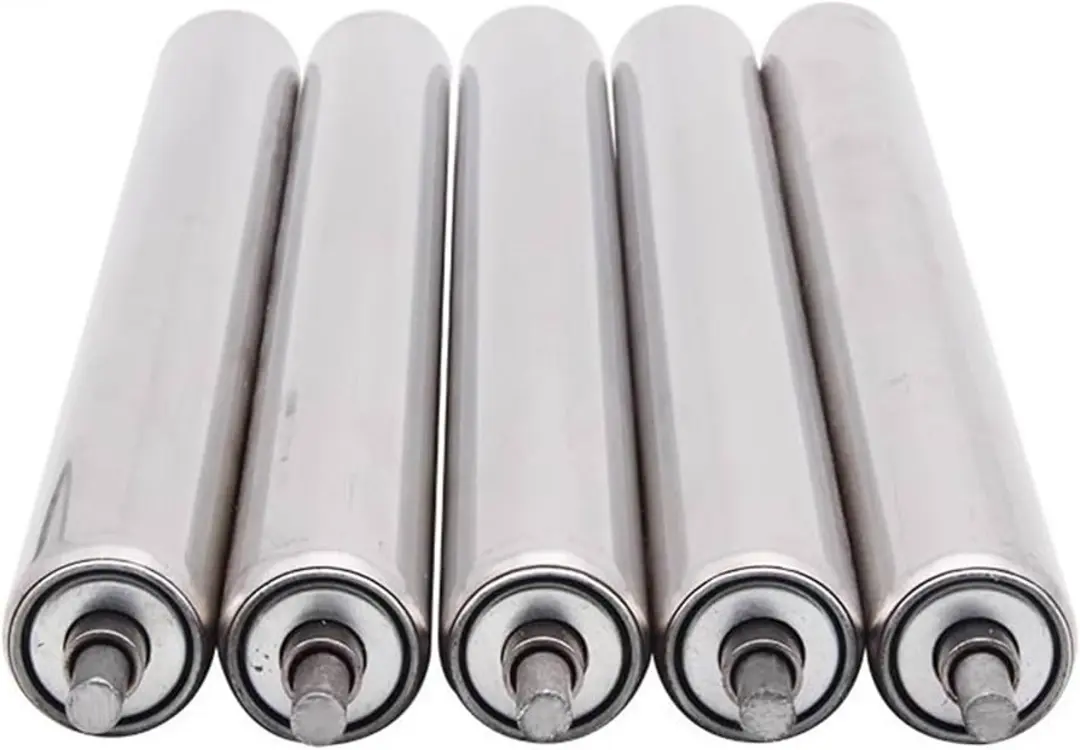
Source: m.media-amazon
Choose cleaning methods based on the residue and equipment
Water-soluble sugar soils often respond to compatible cleaning methods, but the correct procedure depends on the product, machinery materials, electrical protection, lubricant locations, food-contact status, and the plant’s validated sanitation program. Never use a cleaning chemical, pressure level, or disassembly method simply because it worked elsewhere.
For sticky sugar residue machinery, the general sequence is often more important than aggressive scrubbing:
- Make the equipment safe for cleaning. Follow the site’s energy-isolation, guarding, and access procedures. Do not clean moving conveyors, chains, or exposed mechanisms unless the machine design and approved procedure specifically allow it.
- Remove loose product and dry deposits where appropriate. Controlled vacuuming or collection may be preferable to blowing powder into guards, bearings, sensors, or adjacent food zones.
- Apply the approved cleaning method. Use only chemicals, water application methods, and tools approved for the equipment, soil, and area classification.
- Allow sufficient contact and mechanical action as specified by the plant procedure. Avoid inventing dwell times or concentrations; use the chemical supplier’s instructions and the facility’s sanitation program.
- Rinse, dry, reassemble, and inspect as required. Confirm that residue has not been moved into inaccessible areas and that drains, sensors, guards, and moving parts are clear.
- Verify readiness before restarting. Maintenance, sanitation, production, and quality personnel should complete the checks required by the site before product is introduced.
Specialty sugar-dissolving maintenance products are marketed for removing sugar-based deposits from equipment such as conveyors, guides, linkages, and packaging machinery. Some are labeled for food-processing environments or registered for incidental food-contact applications. That does not make any product universally suitable. Confirm the product label, food-contact limitations, compatibility with plastics and elastomers, lubricant requirements, allergen and sanitation controls, rinsing requirements, and site approval before use.
Build prevention into routine maintenance
The most effective response is to make sugar accumulation visible before it causes a stop. Add sugar-specific triggers to operator rounds and preventive maintenance tasks.
Use inspection triggers instead of waiting for a jam
Consider triggering an inspection when any of these conditions occur:
- A filler, depositor, or transfer point begins showing visible splash or drip.
- Product or packages start sticking at a guide, dead plate, or discharge.
- Operators clean the same location repeatedly during a run.
- A sensor needs repeated wiping or adjustment.
- Conveyor drive load, noise, tracking behavior, or package flow changes from normal conditions.
- Dust becomes visible on guarded components, electrical surfaces, or horizontal machine frames.
- A sanitation inspection finds residue in a previously cleaned area.
These triggers should lead to a short root-cause check, not merely another wipe-down. Record the location and cause category so that repeated events can be linked to a particular product, format, shift, or machine condition.
Improve containment at the source
For wet residue, prioritize leak elimination, splash reduction, accurate filling, correctly adjusted product cutoffs, and better drainage. For dry sugar dust, prioritize closed transfer paths where feasible, effective capture at release points, housekeeping that collects rather than disperses dust, and enclosure integrity.
Mechanical improvements can be simple but meaningful: repositioning a guide, repairing a worn seal, restoring a scraper, improving a drip tray, or adding access to an inspection point. Changes should be reviewed for cleanability, machine safety, product protection, and any effect on validated processing or sanitation procedures.
Protect critical components from exposure
Sensors, bearings, chain runs, drive components, and electrical equipment should be evaluated for their actual exposure to sugar, moisture, and washdown. Guards and covers can help, but only if they do not create inaccessible soil traps. A cover that protects a sensor while collecting dust and syrup underneath may exchange one problem for another.
When to stop and involve qualified personnel
Escalate the problem when sugar buildup affects guards, electrical enclosures, safety devices, product-contact areas, drainage, or components that require disassembly beyond routine operator access. Also involve qualified maintenance personnel when buildup is associated with abnormal motor load, damaged drives, bearing concerns, chain wear, recurring sensor faults, or unexplained line stops.
Quality and sanitation personnel should be involved when cleaning changes could affect food-contact surfaces, chemical use, allergen controls, validated sanitation procedures, or release requirements. The correct cleaning standard and verification method are plant- and product-specific and should be confirmed through the facility’s approved programs and applicable requirements.
Practical takeaway
Sugar buildup is best controlled as a process and maintenance issue, not as a housekeeping nuisance. Identify whether the material is wet residue, dry dust, or a mixture; find the point where it begins; clean it with an approved, equipment-compatible method; and create inspection triggers for the locations that foul first. That approach reduces recurring sugar deposits before they turn into conveyor jams, sensor errors, sticking packages, and avoidable downtime.
References
- [PDF] FOOD GRADE SUGAR DISSOLVER. (n.d.). https://www.crcindustries.com/media/catalogsandlabels/2024_FG_Sugar_Dissolver_1.pdf
- ELEFANT Sugar Dissolving Oil – Preventive Maintenance for Food Processing and Packaging Equipment. (n.d.). https://elefantoil.com
- ELEFANT Sugar Dissolving Oil – Preventive Maintenance for Food Processing and Packaging Equipment. (n.d.). https://elefantoil.com?lang=nl
- Elefant chemische Produkte GmbH’s Post. (n.d.). https://www.linkedin.com/posts/elefantgmbh_in-many-food-processing-plants-sugar-buildup-activity-7435724854051516416-N5nc
- Food Processing Solutions. (n.d.). https://www.stoneagetools.com/solutions/custom-solutions-for-cleaning-food-processing-equipment
- Cleaning conveyor belts with sugary candy. (n.d.). https://www.reddit.com/r/ChemicalEngineering/comments/1ks6zd3/cleaning_conveyor_belts_with_sugary_candy
- LPS DETEX Foodlube Sugar Dissolving Fluid removes sugar buildup with ease.. (n.d.). https://www.youtube.com/watch?v=xUswz_jVYpk
- Food safety. (n.d.). https://www.who.int/news-room/fact-sheets/detail/food-safety