Vacuum sealing dry food ingredients can be useful after a bag has been opened, especially when oxygen exposure contributes to flavor loss, oxidation, color change, or loss of functional performance. It is not, however, a complete answer to ingredient storage. A vacuum package cannot compensate for a poor moisture-barrier bag, product that was exposed to humid air during handling, a contaminated sealing area, or weak lot-control procedures.
For most manufacturers and pilot plants, the right approach is to match the resealing method to the ingredient’s actual failure mode. Vacuum resealing is often valuable for oxidation-sensitive powders, dried inclusions, spices, nuts, and similar materials. Hygroscopic powders may benefit more from a combination of good moisture-barrier packaging, low-humidity handling, limited headspace, controlled storage, and possibly a suitable desiccant system. Where oxygen control is particularly important, nitrogen flushing or a validated gas-packaging process may be more appropriate than relying on vacuum alone.
Start with the ingredient, not the sealer
Before selecting a vacuum sealer for dry ingredients, identify what the opened material is most likely to lose or gain during storage. The answer determines the packaging specification and operating method.
Common dry-ingredient storage risks
- Moisture pickup: Hygroscopic powders can cake, clump, lose flow, or change functionality after exposure to humid air.
- Oxidation: Ingredients containing fats, pigments, flavors, vitamins, or other oxygen-sensitive components may lose quality as oxygen exposure continues.
- Aroma loss or pickup: Strongly aromatic ingredients can lose volatile compounds; porous or poorly sealed packaging can also allow odor transfer from nearby materials.
- Physical contamination: Repeated opening, scooping, and resealing can introduce foreign material if handling controls are weak.
- Pest exposure: A damaged or incomplete closure can create an entry route during storage.
- Lot confusion: A well-sealed bag is still a problem if its identity, opening date, retest status, or remaining shelf-life information is unclear.
Vacuum packaging reduces the amount of air left in a package before sealing. Because air contains oxygen, this can reduce the oxygen available in the headspace. It does not remove moisture already in the product, stop water vapor from moving through an inadequate film, or make an ingredient suitable for storage outside its required environmental conditions.
Decide whether vacuum resealing is the right method
The following comparison is a practical starting point for partially used dry ingredients.
| Storage need | Usually useful approach | Important limitation |
|---|---|---|
| Reduce oxidation after opening | Vacuum resealing in an oxygen-barrier bag | Residual oxygen remains, and film barrier still matters during storage. |
| Control moisture pickup | High moisture-barrier bag, low-humidity handling, tightly sealed closure | Vacuum alone does not prevent moisture transmission through the package. |
| Maintain powder flow | Moisture control, short open exposure, careful resealing | Product may already have absorbed moisture before resealing. |
| Protect fragile particulates | Gentle handling, gas flush or limited vacuum where appropriate | Strong vacuum can compact powders or damage delicate inclusions. |
| Hold a high-value ingredient between runs | Smaller working packs, lot identification, controlled storage | Resealing does not replace defined hold-time and inventory procedures. |
| Long holding periods | Packaging validation based on ingredient sensitivity and storage conditions | Do not assume consumer-style vacuum bags provide industrial shelf-life performance. |
A useful rule is to separate headspace control from barrier control. Vacuum addresses headspace air. The package structure controls how quickly oxygen and water vapor can enter or leave after sealing. Both may be necessary.
Select the right bag before selecting the machine
A vacuum sealer can produce an attractive seal on a bag that is fundamentally unsuitable for the ingredient. Film selection should therefore come first.
Key bag properties
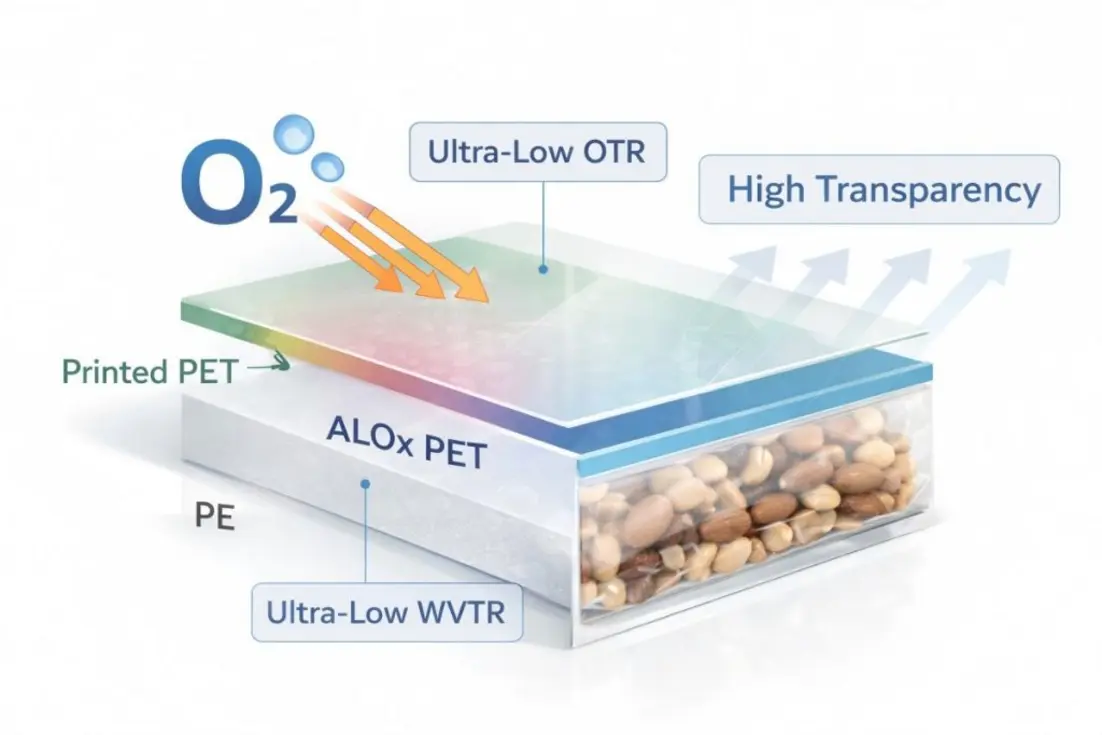
Moisture-vapor barrier: This is central for hygroscopic powders, dried fruit pieces, dehydrated vegetables, seasoning blends, milk powders, and other materials that can gain moisture. The required barrier depends on the ingredient, target storage period, package size, local humidity, and storage environment.
Oxygen barrier: Oxygen-sensitive ingredients may require a multilayer film with meaningful oxygen protection. A package that looks thick is not necessarily a high-barrier package; barrier performance depends on material structure, layer integrity, seal quality, and conditions of use.
Sealability: The bag must seal reliably on the selected equipment. Confirm the sealant layer is compatible with the sealer type, operating range, and the presence of powder dust near the seal area.
Puncture and tear resistance: Sharp particulates, hard inclusions, rough handling, pallet contact, and repeated movement can damage a package. Strength properties matter because a pinhole or puncture defeats the intended barrier.
Size and geometry: Excessively large bags create unnecessary headspace and are harder to reseal neatly. A bag sized for the remaining material can reduce air space and improve handling.
Food-contact and product compatibility: Confirm that the packaging material is appropriate for food contact and compatible with the ingredient’s oil content, aroma, particle shape, and storage conditions. This should be confirmed through the supplier’s specifications and the site’s packaging approval process.
Source: cloudflexfilm
Why reusable zipper bags are often not enough
A zipper closure may be convenient for frequent access, but it is not automatically a high-barrier or hermetic solution. It can be suitable as an outer convenience feature when the ingredient will be consumed quickly under controlled conditions. For longer storage or sensitive materials, a heat seal above the zipper, or transfer into an approved barrier bag, is generally more dependable.
Choosing vacuum resealing equipment
The best resealing ingredient bags system depends on bag dimensions, throughput, product behavior, sanitation needs, and how often operators open packages.
External suction vacuum sealers
External suction units clamp the open end of a bag while drawing air out through the open mouth. They are often suitable for small operations, pilot plants, laboratories, and low-volume repacking.
They work best with bags designed for that sealing method and with relatively clean, dry seal areas. Fine powder can be pulled toward the seal or into the vacuum channel, creating seal defects and increasing cleaning needs. They may also be less suitable for bulky bags, irregular package shapes, or products that require consistent, repeatable vacuum performance.
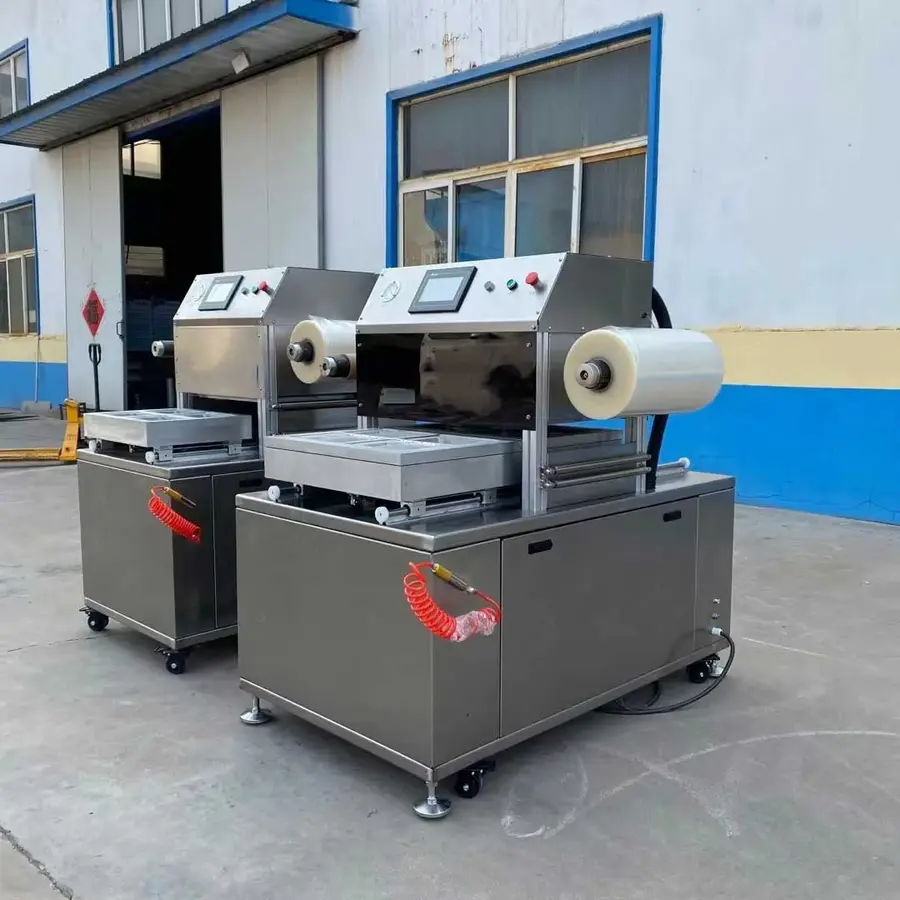
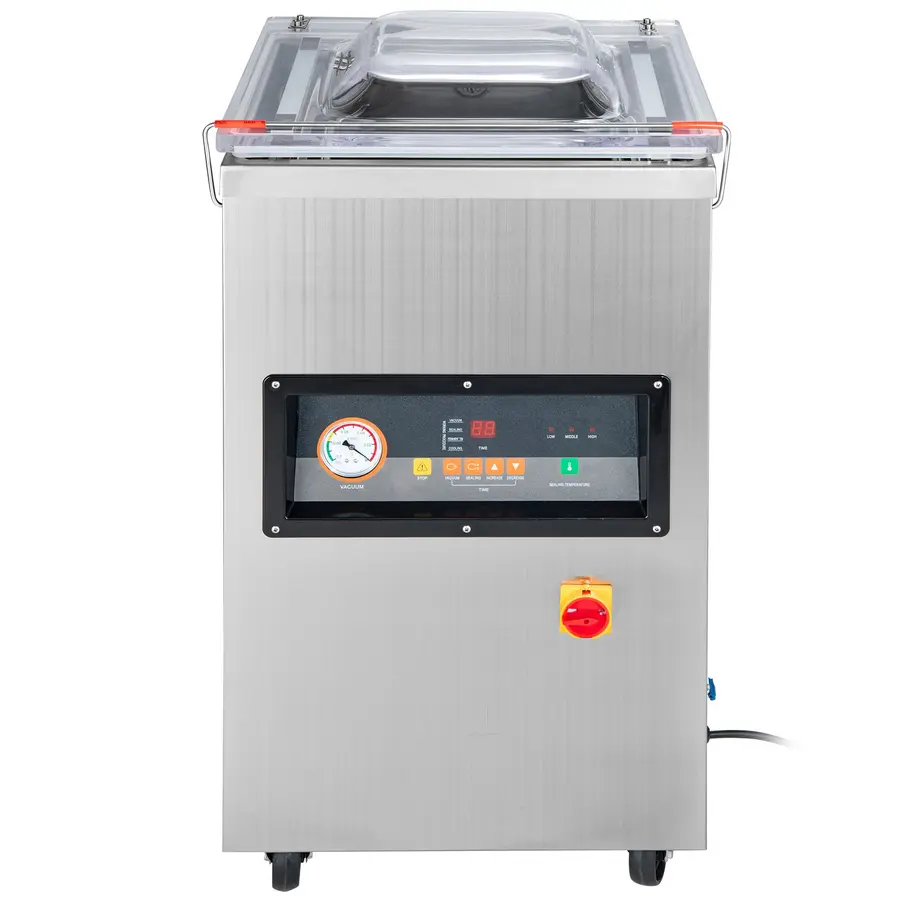
Chamber vacuum sealers
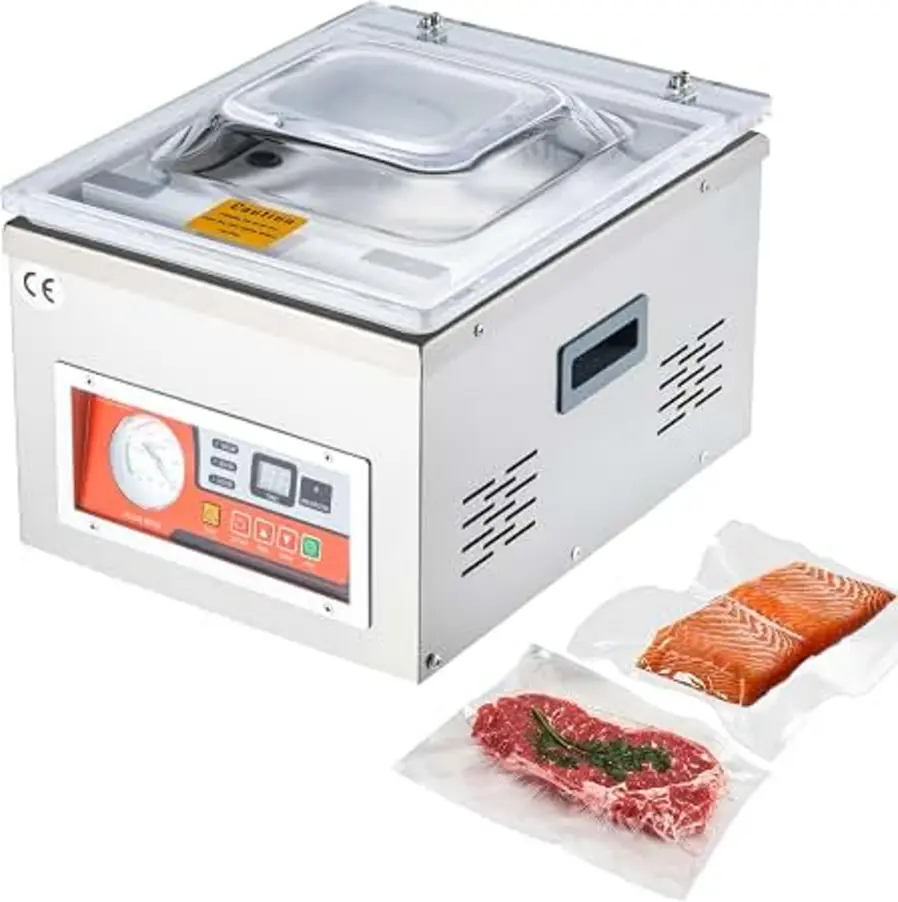
Chamber systems place the package, or at least its open end, inside a chamber. The chamber is evacuated before the bag is sealed. These machines can provide more repeatable cycles and can handle a broader range of pouch materials than many external units.
For dry ingredients, chamber sealers are often considered when operators need stronger control over the resealing cycle, use smooth high-barrier pouches, or handle multiple bag formats. They still require attention to powder migration, seal-bar cleanliness, bag placement, and routine inspection of seals.
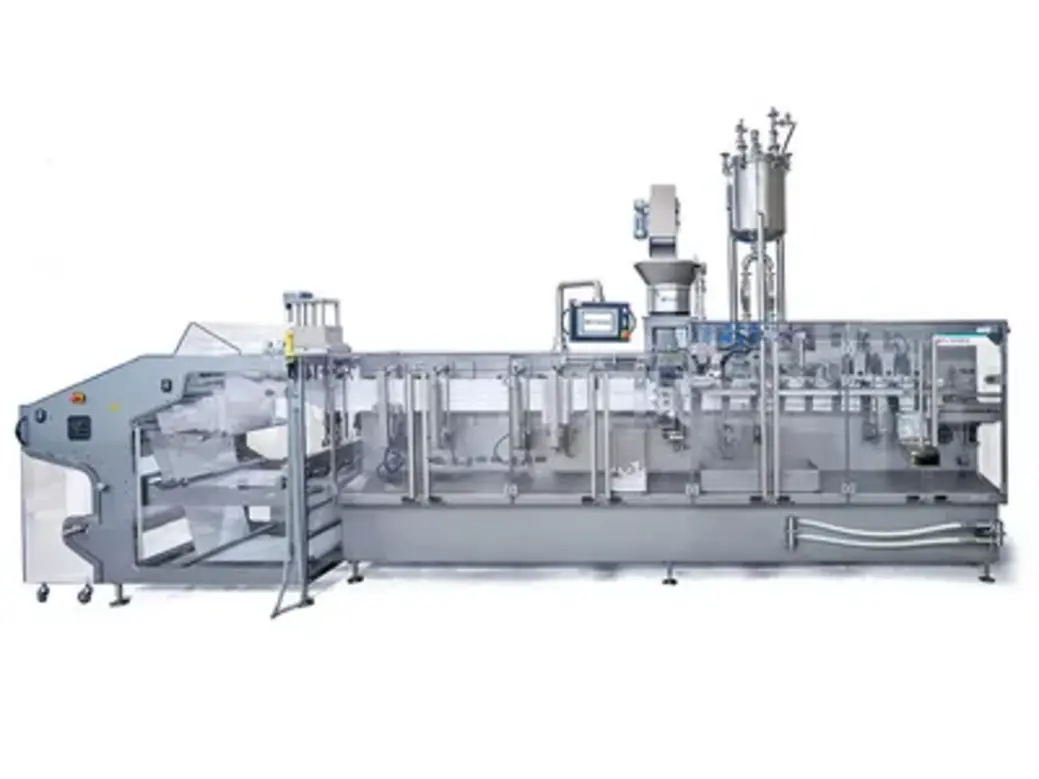
Nozzle or industrial vacuum systems
Larger ingredient operations may use nozzle vacuum equipment, bagging systems with vacuum capability, or integrated systems that combine dosing, gas flushing, sealing, coding, and checkweighing. These systems can support higher output and more consistent package handling, but they require a more formal specification process.
Evaluate changeover time, access for cleaning, dust control, utility requirements, preventive maintenance, and the ability to record or verify critical packaging settings where needed.
Heat sealers without vacuum
A straight heat sealer is often the better choice when the main objective is simply to restore a reliable closure on an already suitable package. This may apply where oxidation is not the main concern, where vacuum could damage the product, or where the original package has minimal headspace.
A heat sealer can also be used after gently expressing excess air by hand, although this should not be treated as equivalent to a controlled vacuum process.
Source: m.media-amazon
Match vacuum intensity to product behavior
More vacuum is not always better. Fine powders can shift toward the open edge, contaminate the seal area, or compact under pressure changes. Fragile dried particulates can break. Some products may release trapped air after sealing and cause the package to loosen.
For each ingredient family, establish a practical operating window through packaging trials. Review:
- Package appearance immediately after sealing
- Seal continuity and seal-area cleanliness
- Product loss into the machine or seal zone
- Powder compaction or damaged particulates
- Package integrity after normal handling
- Product condition after the intended storage interval
Avoid choosing settings solely because they produce the flattest package. A consistent, clean, intact seal and an appropriate barrier structure are more important than visual vacuum appearance.
Moisture-control limits: vacuum packaging versus desiccants
Vacuum packaging and desiccants serve different purposes. Vacuum reduces headspace air; a desiccant is intended to manage moisture within a defined package system. Neither should be selected casually.
For hygroscopic ingredients, the most important controls may be limiting exposure during dispensing, maintaining appropriate room conditions, using a moisture-barrier package, and returning the material promptly to controlled storage. A desiccant may be considered where it is compatible with the product, package design, and food-safety program, but it does not correct an unsealed bag or a package with poor moisture barrier.
Similarly, oxygen absorbers and nitrogen flushing address oxygen differently from vacuum sealing. These options may be useful for some oxidation-sensitive ingredients, but their application should be based on validated package performance, ingredient compatibility, labeling needs, and the site’s quality system.
Build a practical opened-bag procedure
Equipment selection works best when it supports a clear handling procedure. A basic procedure for dry food ingredient storage after opening may include:
- Verify the material identity, lot number, status, and remaining approved use period before opening.
- Open the package in the designated area and minimize the time the ingredient is exposed.
- Use clean, appropriate utensils and prevent mix-ups with nearby ingredients.
- Remove or transfer only the quantity needed for the production run.
- Keep powder and product fragments out of the intended seal area.
- Reseal using the approved bag type and equipment settings.
- Inspect the closure for wrinkles, channels, incomplete sealing, or visible contamination.
- Apply or update the internal label with required traceability and storage information.
- Return the ingredient to its specified storage environment.
The exact controls should be defined by the facility’s food-safety plan, quality procedures, supplier instructions, and applicable regulatory requirements. Reduced-oxygen packaging can create additional food-safety considerations for certain foods, particularly where moisture, temperature abuse, or other growth conditions may be relevant. Do not assume that a dry-looking product is automatically outside those considerations; verify the product’s characteristics and the applicable requirements with qualified food-safety personnel and official guidance.
Common selection mistakes
Buying a vacuum sealer before approving the pouch. The machine and package must work as a system.
Treating vacuum as moisture protection. Vacuum may reduce oxygen in the headspace, but moisture control depends heavily on the film barrier, seal integrity, and storage environment.
Sealing through powder residue. A visibly closed package can still have channels or weak areas when product is trapped in the seal.
Using one setting for every ingredient. Fine powders, dense granules, delicate inclusions, and oily materials can behave differently during evacuation and sealing.
Ignoring opened-package traceability. A resealed bag should remain clearly connected to its original lot, status, and approved storage instructions.
Overlooking cleaning and maintenance. Powder accumulation can affect vacuum performance, sealing consistency, and sanitation. Cleaning access and routine inspection should be part of the equipment decision.
A practical buying checklist
When comparing a vacuum sealer for dry ingredients, ask suppliers and internal stakeholders:
- Which approved pouch structures can this machine seal reliably?
- Can it handle the bag widths, gussets, and fill levels used on site?
- How does the design manage fine powder near the seal and vacuum path?
- Are vacuum level, sealing time, and cooling settings adjustable and repeatable?
- Can operators access sealing surfaces and vacuum areas for cleaning?
- What parts are wear items, and how readily are they available?
- Is the unit appropriate for the expected daily cycle count and changeover frequency?
- Can it fit within the available workspace and utility arrangement?
- What packaging trials are needed before release for production use?
Vacuum sealing dry food ingredients is most effective when used as one layer of a broader storage system. Select a bag with the required moisture and oxygen barrier, choose a sealer that can make reliable clean closures on that bag, and support the process with disciplined handling, storage, and lot-control practices. For sensitive dry materials, the strongest result usually comes from treating packaging, environment, and procedure as one connected system.
References
- Vacuum packaging technology: a novel approach for extending the storability and quality of agricultural produce - MedCrave online. (n.d.). https://medcraveonline.com/APAR/vacuum-packaging-technology-a-novel-approach-for-extending-the-storability-and-quality-of-agricultural-produce.html
- Vacuum Sealing Food for Long-Term Emergency Storage | Protocol: Survival. (n.d.). https://protocolsurvival.com/en/blog/vacuum-sealing-food-emergency-storage
- The Ultimate Guide to Choosing the Right Dry Food Packaging Method - FLSM. (n.d.). https://fillers-packer.com/blogs/what-is-the-best-dry-food-packaging-method
- Controlling Moisture in Foods Using Packaging. (n.d.). https://www.ift.org/food-technology-magazine/packaging-controlling-moisture
- Reduced Oxygen Packaging: Guidance for Food Service Operators. (n.d.). https://www.health.ny.gov/environmental/indoors/food_safety/rop.htm
- Oxygen Barrier F&B Packaging. (n.d.). https://xray.greyb.com/food-beverage-packaging/oxygen-barrier-packaging
- Safe Food Storage | Nutrition.gov. (n.d.). https://www.nutrition.gov/topics/food-safety/safe-food-storage
- Two-Barrier Reduced Oxygen Packaging HACCP Plan …. (n.d.). https://www.southernnevadahealthdistrict.org/permits-and-regulations/food-establishment-operations/hazard-analysis-and-critical-control-point-haccp-plan/two-barrier-haccp-plan/two-barrier-reduced-oxygen-packaging-haccp-plan-guidance-document