Intermittent faults that appear after sanitation are often a moisture-path problem rather than a failed component in isolation. For food plant washdown electrical failures, start by identifying exactly when the fault occurs, which circuits or devices are affected, and where water can reach the equipment. Then inspect the complete path: enclosure door and gasket, cable glands, conduit entries and runs, machine connectors, cable jackets, and locations where water can pool or be driven by spray.
Do not treat a reset, a dried-out panel, or a replaced sensor as proof that the underlying problem is solved. Moisture can remain in conduit, behind terminal blocks, inside connectors, or in cable structures and create faults only under particular humidity, washdown, temperature, or vibration conditions. Any inspection or test that exposes personnel to electrical hazards must be planned and performed by qualified electrical personnel under the site’s electrical-safety procedures. Do not defeat protective devices, bypass interlocks, or open energized equipment simply to reproduce a fault.
Start with the failure pattern
Before opening equipment, collect the evidence that narrows the search. Maintenance records are useful when they capture the washdown zone, sanitation shift, cleaning method, machine state, fault code, and the time between washdown and failure.
Look for these patterns:
- A fault begins during washdown or immediately afterward: direct spray, a poor seal, damaged fitting, or wet machine connection is more likely.
- A fault begins hours later, often at startup: trapped water, condensation, or moisture migration through conduit may be involved.
- Several devices on one machine or circuit fail together: inspect the shared enclosure, disconnect, conduit route, junction box, power supply, or grounding path before replacing field devices.
- One sensor, motor connection, or actuator repeatedly fails: focus on its connector, cable flex point, local junction box, and cleaning exposure.
- The issue occurs only in one production area: compare that area’s washdown pressure, chemical exposure, drainage, mounting geometry, and equipment specification with a dry or trouble-free area.
A useful first question is not simply, “Is there water in the panel?” It is, “What route could water take to reach this circuit, and what condition makes the fault appear?”
Make the area safe before inspection
Treat wet electrical equipment as a potential shock, arc-flash, equipment-damage, and production-safety hazard. Isolate the equipment using the plant’s approved lockout/tagout process where applicable, verify the absence of voltage using approved methods, and follow the applicable electrical work practices. A qualified person should determine whether inspection can proceed, whether damaged equipment must remain out of service, and what testing is appropriate.
Keep sanitation and production controls in view as well. Opening a panel in a hygienic area may create a contamination-control concern. Coordinate with operations, sanitation, food-safety personnel, and engineering on access, cleaning, restoration, and documentation requirements.
Inspect from outside to inside
An external inspection often reveals the entry path without disturbing wiring. Begin at the highest and most exposed point, then work downward and outward along cables and conduit.
1. Check the enclosure location and spray exposure
Look for a control enclosure directly in a washdown stream, below a spray point, beside a foaming station, or under an overhead surface that drips. Note whether its orientation creates a ledge where liquid sits against a door seam, hinge area, cover joint, or fitting.
An enclosure’s environmental rating is not a blanket guarantee for every installation. The rating, enclosure material, door configuration, mounting, fittings, cable-entry method, cleaning chemicals, and actual washdown practice must work together. Verify the installed equipment’s marking and manufacturer instructions against the exposure at that location; do not assume that a stainless enclosure alone is suitable.
2. Examine doors, covers, gaskets, and hardware
A wet environment electrical gasket failure may look minor: a flattened section, split corner, chemical swelling, hardened elastomer, loose latch, warped cover, or debris trapped on the sealing surface. Check the full perimeter, not only the bottom edge.
Also inspect:
- Latch alignment and closure force
- Missing or damaged screws and cover fasteners
- Door-mounted operator devices and viewing windows
- Drain or vent components, if fitted
- Unused knockouts or openings
- Corrosion trails around seams and hardware
Water marks, white deposits, rust staining, or residue outside a seam can indicate repeated exposure. They do not by themselves prove internal ingress, but they justify a closer inspection.
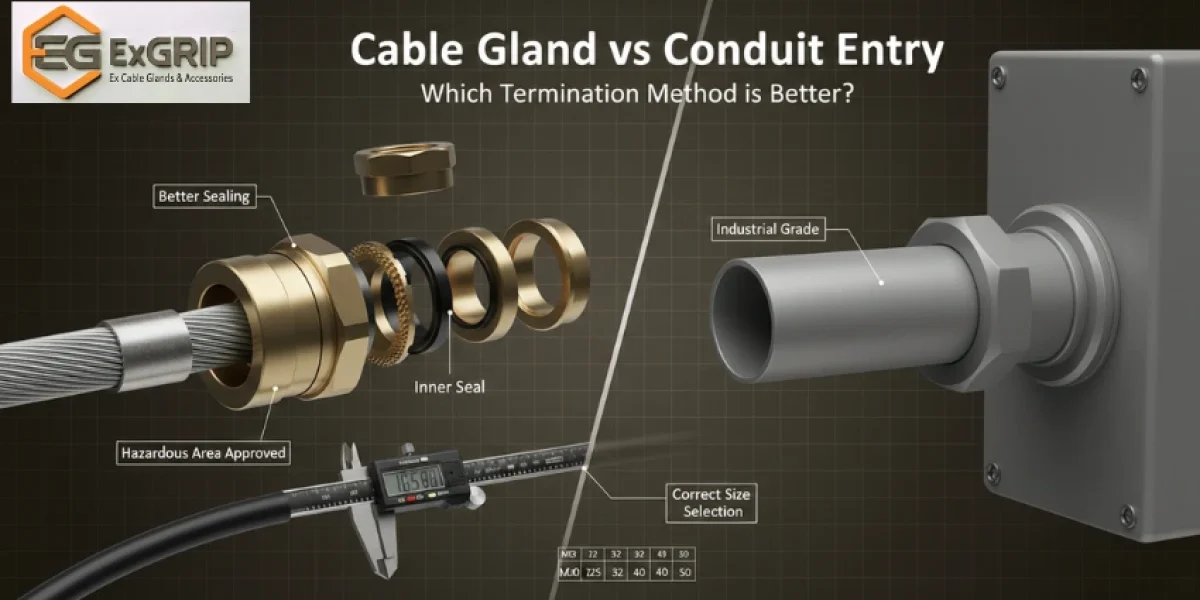
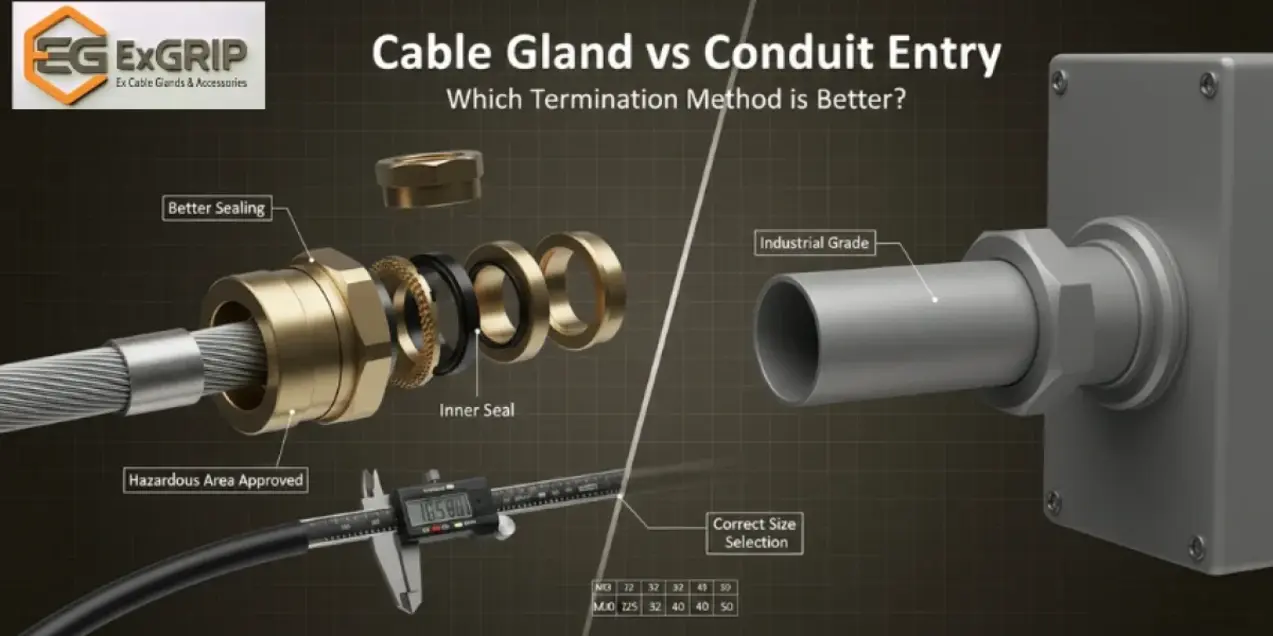
3. Inspect conduit hubs, fittings, and entry points
Conduit fittings are frequent weak points in washdown areas. Check whether hubs are tight and intact, whether threaded connections show corrosion or damage, and whether the fitting method is appropriate for the enclosure and environment. Inspect flexible conduit transitions carefully; repeated machine movement can loosen fittings, crack jackets, or pull on connections.
Pay particular attention to upward-facing entries, fittings under drip paths, low points that retain water, and conduit routes that carry wash water toward an enclosure. A conduit run can act as a route for moisture to travel from a remote junction box or machine connection. The visibly wet end is not always the point where water entered.
Use the specified washdown rated conduit fittings and sealing components for the installed system. Do not substitute tape, caulk, improvised plugs, or a general-purpose fitting for a listed or manufacturer-approved sealing method. Such repairs can conceal the route temporarily while making future inspection harder.
Source: exgrip
4. Inspect cable glands, cords, and connectors
Cable glands must match the cable diameter, construction, and intended environment. Warning signs include a gland that is loose, cracked, distorted, mismatched to the cable, or gripping an outer jacket that is cut, flattened, or chemically degraded. A cable that moves freely through a gland may have lost its sealing and strain-relief function.
At machine disconnects and quick-connect devices, inspect mating faces, seals, locking rings, pins, backshells, and cable jackets. A connector can look connected while its seal is damaged or its coupling is not fully engaged. Look for corrosion, discoloration, residue, bent contacts, and liquid trapped in a downward-facing connector or cable loop.
Do not open, dry, or reconnect a questionable connector while energized. A qualified technician should decide whether the component can be cleaned and inspected, requires replacement, or needs electrical testing after drying and repair.
Open the enclosure only under the approved electrical procedure
Once the equipment is safely isolated and access is approved, inspect the interior with a focused purpose. Look for droplets, damp dust, dried water tracks, corrosion at terminals, residue around penetrations, damaged insulation, and evidence that water has collected at the enclosure bottom.
Trace any visible path back toward the likely entry point. For example, moisture concentrated beneath a top conduit hub suggests a different repair than moisture evenly distributed across a cold panel surface. Loose terminals, corroded terminal blocks, degraded circuit boards, and compromised insulation may be consequences of ingress, but replacing them without correcting the entry path invites a repeat failure.
Separate three conditions that can look similar:
| Observation | Likely concern | What to investigate next |
|---|---|---|
| Water tracks from a fitting or seam | Direct external ingress | Gasket condition, fitting integrity, spray direction, mounting and pooling |
| Moisture at the bottom of a conduit-fed enclosure | Moisture migration through conduit | Remote boxes, conduit low points, transitions, seals, and route geometry |
| Light moisture across interior surfaces without an obvious path | Condensation | Temperature changes, humid air entry, enclosure sealing, heat load, and ventilation design |
Condensation deserves careful treatment. A tightly sealed enclosure can still experience internal condensation if humid air was introduced during service or if temperatures change enough for moisture to condense. Conversely, an enclosure with poor sealing may admit humid air as well as wash water. Do not add vents, heaters, drains, or sealants as an ad hoc fix; the correct approach depends on the enclosure design, equipment approval, and environmental duty.
Test the circuit after the physical cause is addressed
After repair, drying, cleaning, or component replacement, qualified electrical personnel should select tests appropriate to the voltage, equipment type, and manufacturer guidance. This may include visual verification, continuity checks, insulation-condition testing where suitable, functional checks, control-power checks, and monitored return to service.
Testing should answer a specific question: is the circuit sound, is the protective function operating as intended, and has the original fault stopped under normal operating conditions? Applying an unsuitable test to sensitive controls, drives, electronics, or connected devices can cause damage. Follow equipment documentation and the plant’s testing procedure.
If a ground-fault device or similar protective device operates after washdown, do not increase its setting, bypass it, or repeatedly reset it as a troubleshooting method. Find the leakage or fault path first.
Special case: explosion-proof wiring and water ingress
Where a classified location is involved, explosion-proof wiring water ingress requires additional care. Explosion-proof or hazardous-location equipment is selected and installed for a specific classification and wiring method; it is not automatically equivalent to washdown protection. Seals, threaded joints, conduit systems, drains, glands, and enclosures must remain consistent with the applicable design and site requirements.
If water is found in equipment serving a classified area, stop short of field improvisation. Have qualified personnel review the installation, equipment markings, sealing method, and repair requirements against the applicable electrical code, authority requirements, and manufacturer instructions. Do not assume that adding sealant or replacing a fitting with a visually similar part preserves the required protection.
Prevent repeat faults with targeted changes
Once the immediate failure is repaired, document the confirmed or suspected entry route and change the conditions that allowed it. Useful preventive actions include:
- Map washdown zones and identify panels, junction boxes, motors, connectors, and conduits exposed to direct spray or persistent splash.
- Include enclosure gaskets, latches, glands, conduit hubs, flexible connections, drain plugs, and cable jackets in routine inspections.
- Review sanitation practices near vulnerable equipment, including spray direction and inaccessible areas where water pools.
- Repair damaged mounting hardware so enclosures and fittings are not stressed by vibration or cable pull.
- Use replacement parts that match the equipment’s specified environmental and electrical duty.
- Record repeat faults by location, not just by failed component, to reveal shared conduit or enclosure problems.
- Coordinate modifications between maintenance, engineering, sanitation, and food-safety teams before changing enclosure type, routing, or cleaning access.
The goal is not merely to make a machine run after washdown. It is to establish whether moisture entered through a specific seal, fitting, conduit route, connector, or condensation mechanism—and to correct that path in a way that remains maintainable, cleanable, and appropriate for the electrical environment.
When to escalate immediately
Remove equipment from normal service and involve qualified electrical personnel when there is visible water near energized parts, evidence of arcing or overheating, severe corrosion, repeated protective-device trips, damaged insulation, compromised hazardous-location equipment, or uncertainty about the enclosure’s suitability. Escalate as well when a repair would require live work, changes to protection settings, modifications to listed equipment, or a new wiring method.
For recurring food processing machine electrical troubleshooting, a joint review by maintenance, engineering, and sanitation is usually more productive than repeated component replacement. The recurring fault often points to an installation or exposure mismatch rather than a series of unrelated electrical failures.
References
- The Hidden Washdown Mistake Most Food Processing Facilities Don’t Discover Until Equipment Fails. (n.d.). https://www.linkedin.com/pulse/hidden-washdown-mistake-most-food-processing-j2sec
- Food Plant Electrical System Maintenance. (n.d.). https://oxmaint.com/industries/food-manufacturing/food-plant-electrical-system-maintenance-arc-flash-washdown
- Electrical Equipment Fails in Washdown Environments. (n.d.). https://www.linkedin.com/posts/d-l-electric_foodandbeverage-foodsafety-industrialelectrical-activity-7492978210217807873-4HNw
- Food Manufacturing Electrical System Maintenance Checklist. (n.d.). https://oxmaint.com/industries/food-manufacturing/food-manufacturing-electrical-system-maintenance-checklist
- Food Plant Electrical Safety Wash Down Area CMMS Guide. (n.d.). https://oxmaint.com/industries/food-manufacturing/food-plant-electrical-safety-wash-down-area-cmms-guide
- Food Processing Plant Electrical Requirements - Orange Electric. (n.d.). https://orangeelectric.com/food-processing-plant-electrical-requirements
- Washdown Electrical Enclosures: Field-Tested Protection …. (n.d.). https://industrialmonitordirect.com/blogs/knowledgebase/washdown-environment-electrical-enclosure-protection-strategies
- Blog Page. (n.d.). https://province-electric.com/blogs/Food-and-Beverage-Hygienic-Electrical-Enclosures