A packaging line changeover should be treated as a defined production process, not as a collection of machine adjustments made after the line stops. To reduce packaging line changeover time, first measure the complete change from the last acceptable pack of the previous run to the first released good pack of the next run. Then move preparation work outside the downtime window, standardize the remaining stopped-line tasks, and protect the sanitation, label, coding, inspection, and release checks that make the new product saleable.
The biggest gains usually come before an equipment upgrade: correct materials at the line, available change parts, known settings, clear task ownership, and a repeatable first-good-pack procedure. SMED—Single-Minute Exchange of Die—is the useful framework, but “single minute” is not a realistic universal target for every food packaging line. The objective is to remove avoidable waiting and rework while maintaining product, pack, and food-safety controls.
Why food packaging changeovers take longer than expected
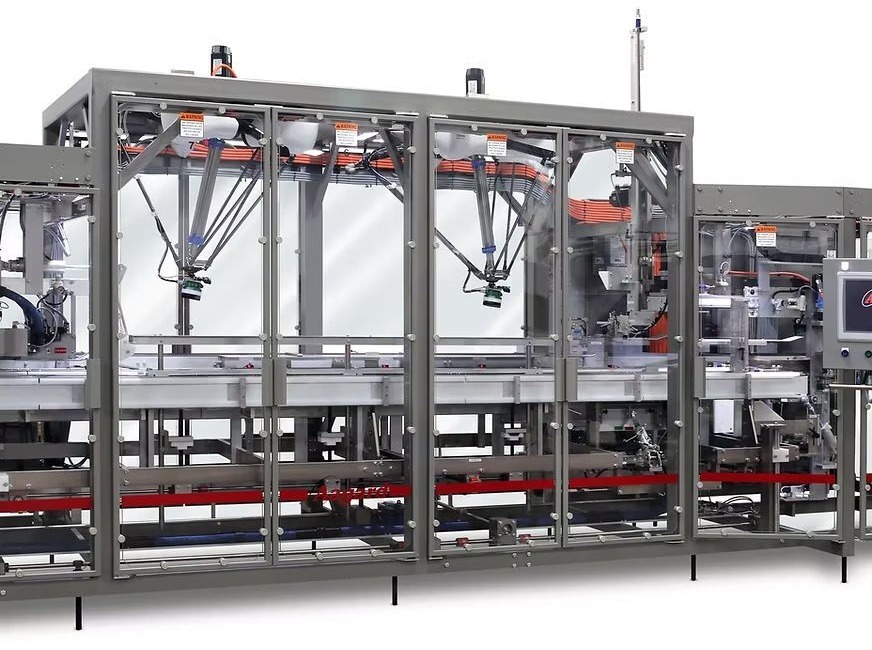
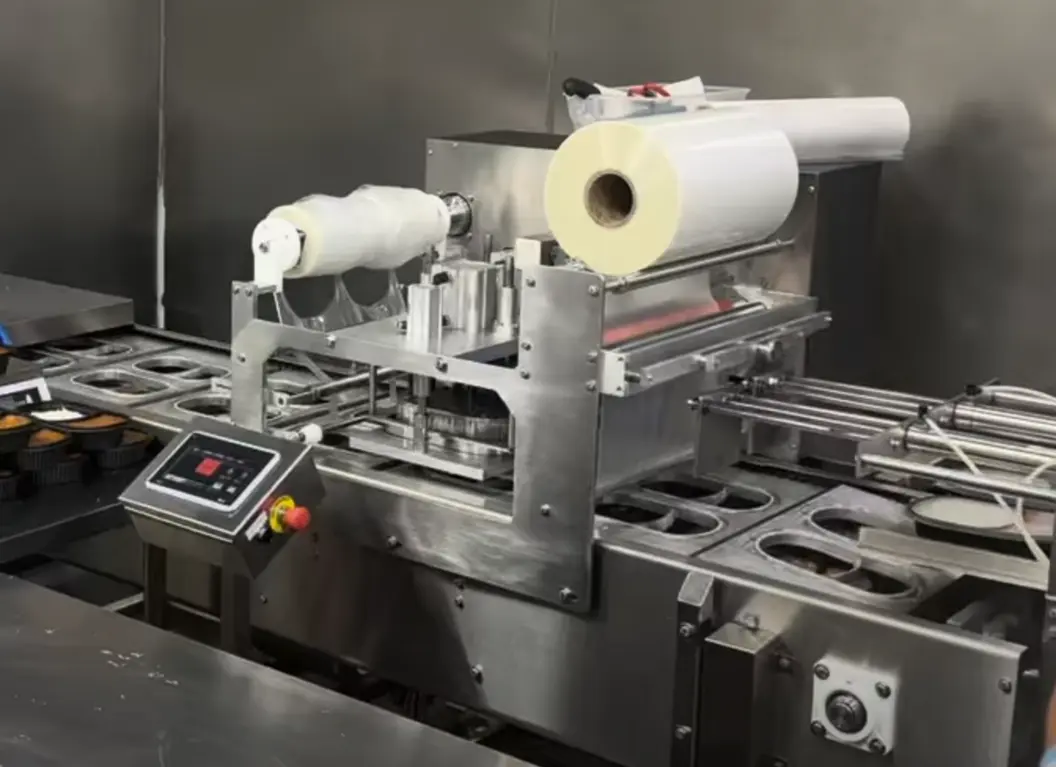
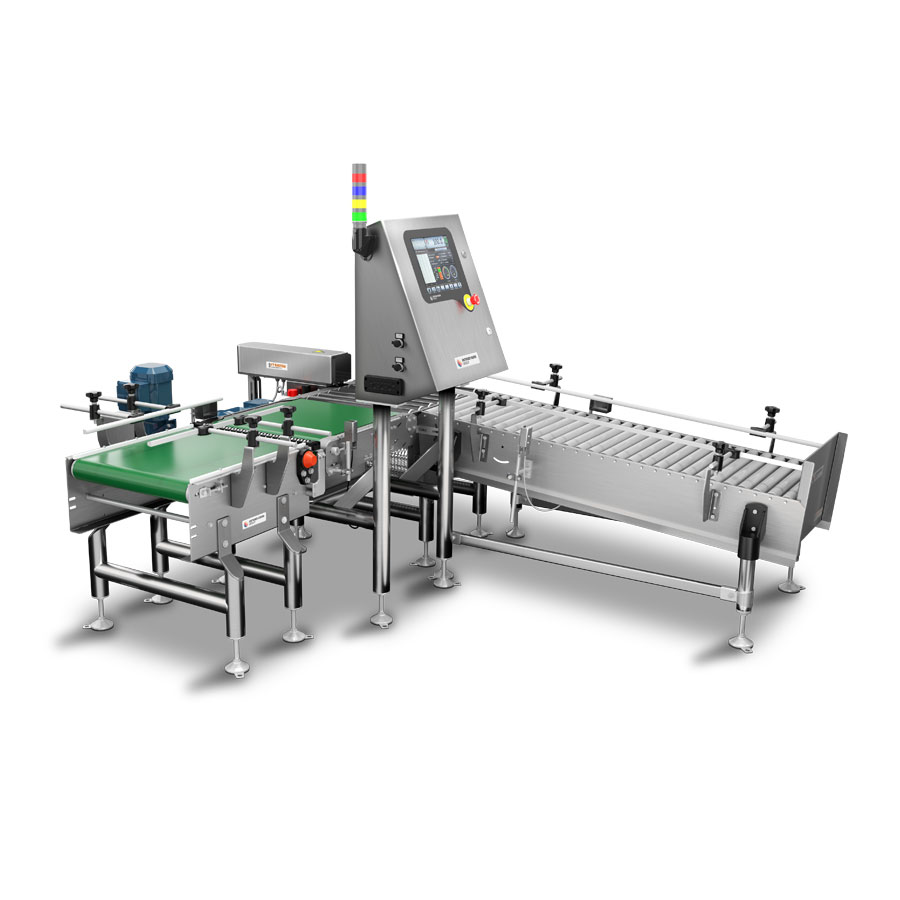
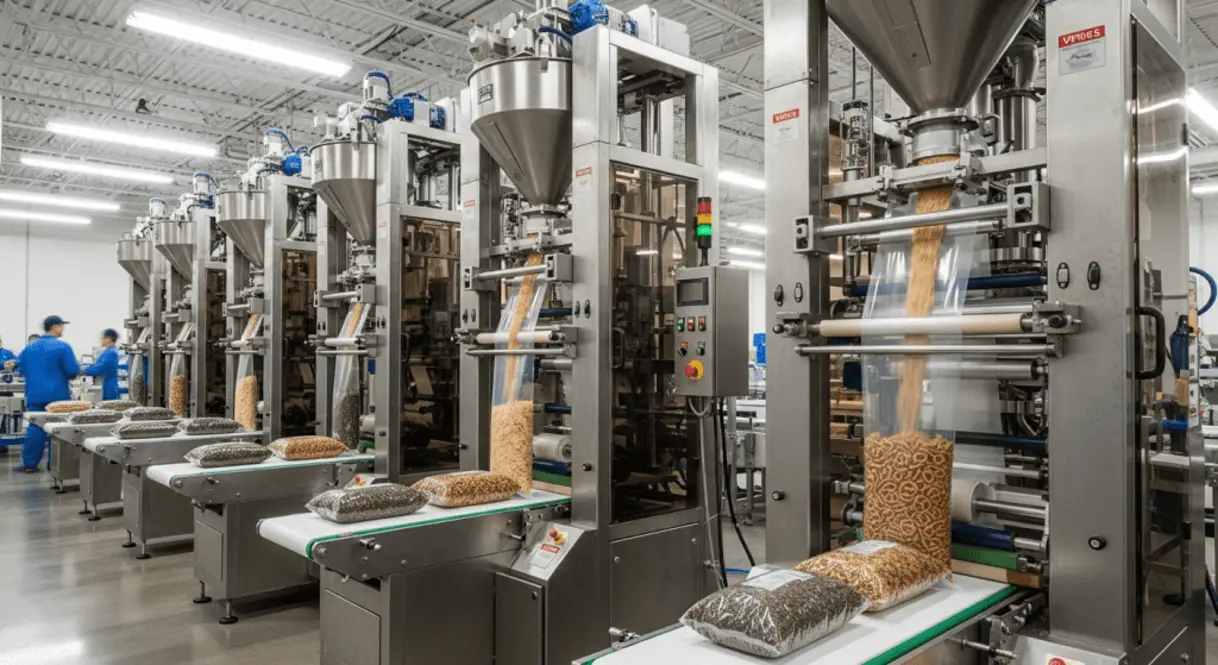
A changeover may involve more than changing a pouch width or carton guide. Depending on the line, the team may need to change product supply equipment, forming components, infeed rails, filler parameters, film or lidding material, label stock, printer data, checkweigher settings, metal detector program, case-packer tooling, pallet pattern, and production records.
The line also has to transition correctly from one approved packaging specification to another. A film roll with the wrong artwork, an old label loaded in a labeler, a missing date-code update, or a case format that does not match the order can turn a fast mechanical change into a product hold or rework event.
Common causes of extended changeovers include:
- Operators searching for tools, format parts, film, labels, or approved documentation.
- Materials arriving late, in the wrong quantity, or without clear status identification.
- Adjustment points that depend on experience rather than documented settings.
- One person waiting for another role to complete a task that could have been prepared earlier.
- Frequent trial packs because guides, sensors, recipes, or coding information are not set consistently.
- Downstream machines being changed only after upstream equipment has stopped.
- Change parts that are worn, mixed between formats, incomplete, or stored away from the line.
- Unclear ownership of quality release and first-good-pack verification.
A line is only ready when its connected equipment is ready. Improving a vertical form-fill-seal machine while the labeler, checkweigher, case packer, or palletizer remains unprepared simply moves the delay downstream.
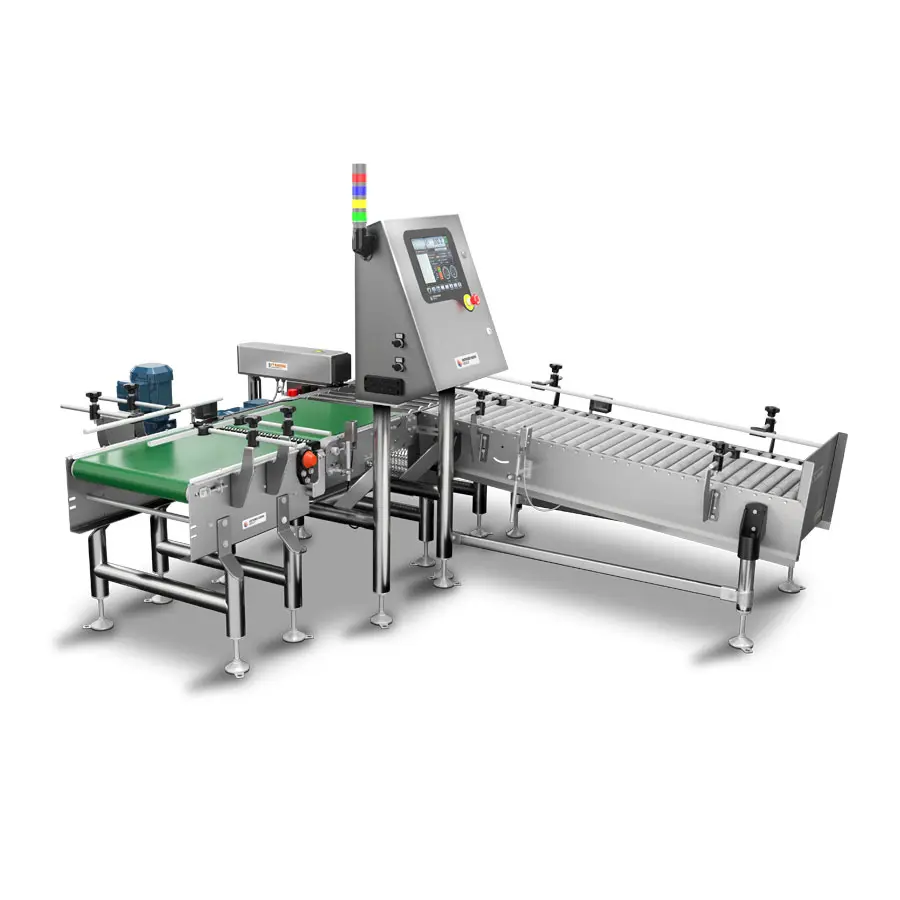
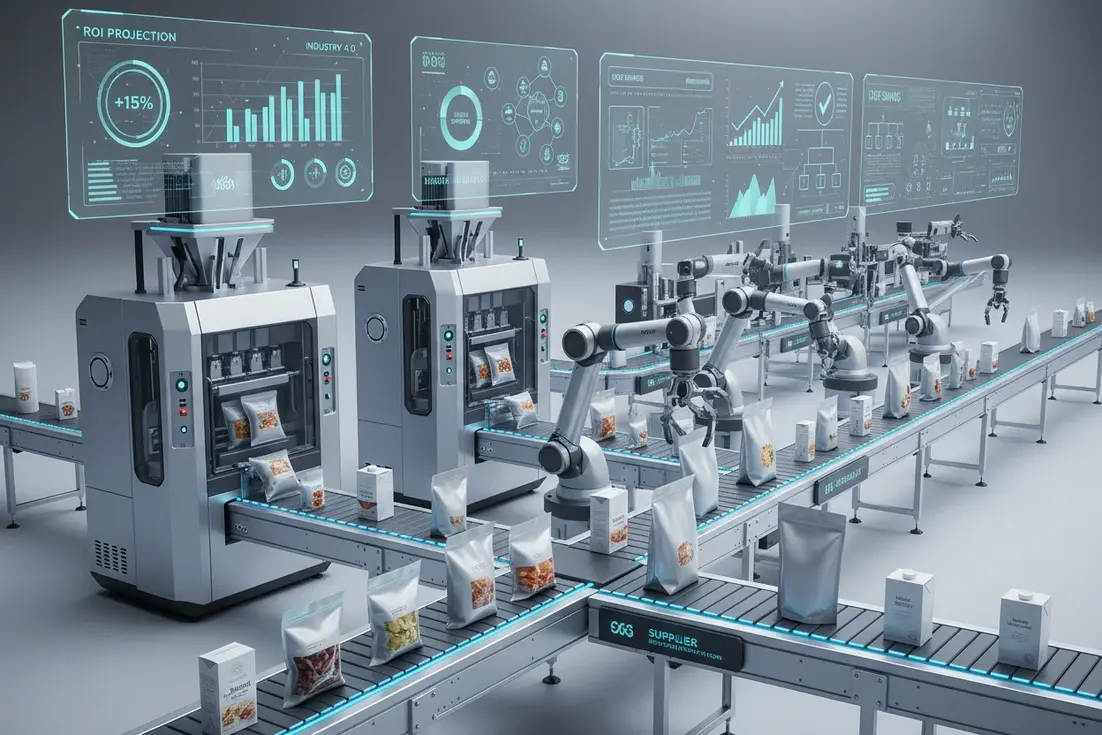
Source: antaresvisiongroup
Define the changeover boundary before measuring it
Teams often report a changeover duration that ends when the machine starts cycling again. That can hide the most important loss: the time spent producing rejected, unverified, or unapproved packs before stable production resumes.
Use a boundary that reflects production reality:
- Start: the last good, correctly identified package from the outgoing order.
- End: the first good package from the incoming order that has passed the required checks and is released for normal production.
This definition includes setup, adjustments, initial rejects, coding confirmation, label verification, inspection-system checks, and the handoff to stable operation. It also makes different shifts and formats comparable.
Record both the total duration and the duration by task. A 45-minute changeover may contain only 15 minutes of work requiring the machine to be stopped. The rest may be searching, waiting, walking, discussing settings, or correcting an avoidable error.
Apply SMED to a food packaging changeover
SMED separates tasks into two categories:
- Internal work: tasks that can only be done while the relevant equipment is stopped.
- External work: tasks that can be completed while the line is running, during planned sanitation, or before the scheduled changeover begins.
The method is especially useful for food packaging because it exposes the difference between necessary verification and unnecessary downtime. A sanitation or allergen-control requirement should not be removed merely to shorten a reported changeover. Instead, the team should determine whether preparation, scheduling, validation steps, or equipment design can reduce waiting without weakening the required control.
Step 1: Map the current food packaging changeover procedure
Observe several real changeovers of the same format pair. One observation is rarely enough because material availability, crew experience, product conditions, and shift handoffs can distort the result.
Create a task record with:
| Record for each task | Why it matters |
|---|---|
| Task description | Identifies duplicate, unclear, and non-value-adding work |
| Start and finish time | Shows where time is actually consumed |
| Person or role | Reveals handoffs and waiting for specialists |
| Machine or line area | Keeps upstream and downstream activities visible |
| Tools, change parts, materials, and documents needed | Identifies preparation failures |
| Internal or external classification | Creates the SMED improvement list |
| Problems encountered | Captures causes of rework and delay |
Video can be useful when the workforce understands that the process—not individual operator speed—is being studied. Review it with operators, maintenance, quality, and planning personnel. The people doing the changeover usually know where time is lost, but the loss may not be visible in a downtime report.
Step 2: Move work outside the stopped-line window
For every internal task, ask: “Must this be done after the last good pack, or can it be completed earlier?”
Typical external activities include:
- Confirming the upcoming order, approved packaging specification, and required recipe or parameter set.
- Delivering the correct film, labels, cartons, cases, adhesives, and pallet materials in the required quantity.
- Checking artwork, revision status, lot status, and product-to-packaging match according to site procedures.
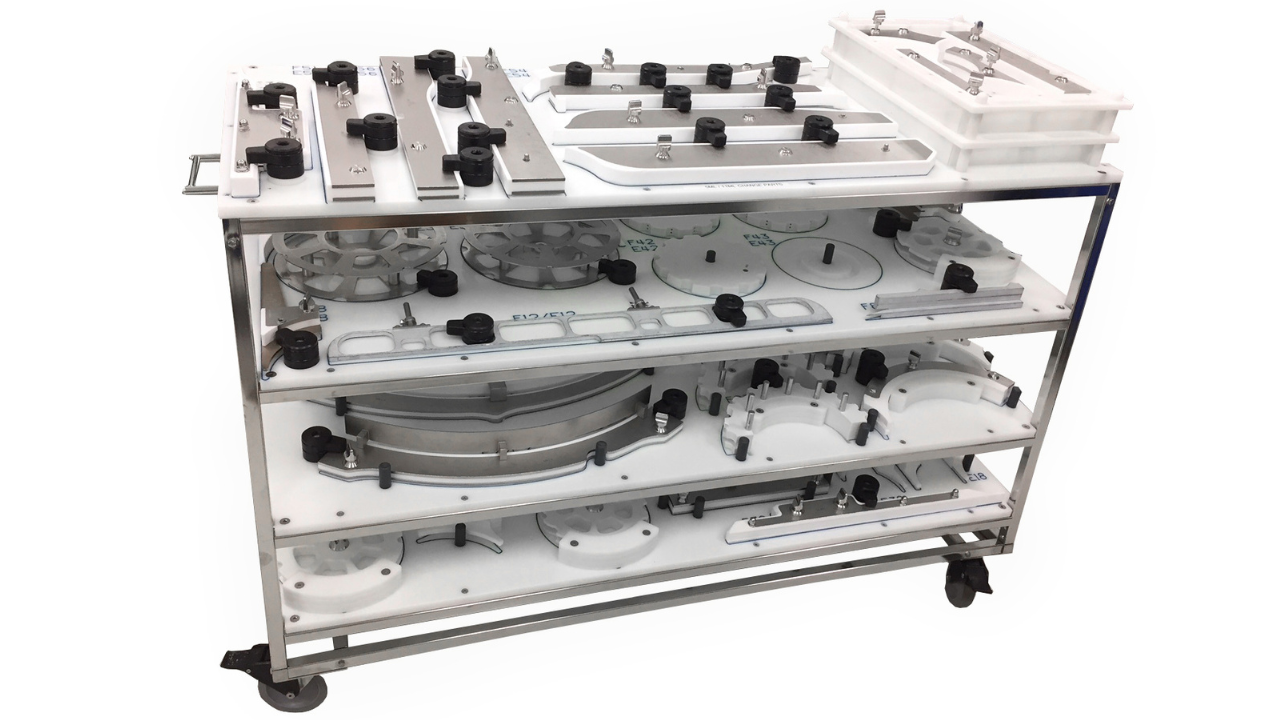
- Preparing and inspecting the correct packaging line change parts.
- Bringing a format kit, tools, gauges, cleaning supplies, and approved work instructions to the point of use.
- Preloading offline printers, creating approved production data, or preparing label rolls where the equipment and controls allow it.
- Assigning each task to a named role before the line stops.
The goal is not to perform work early without control. Materials and format parts must be positively identified and segregated so the next product does not introduce a mix-up risk. Where allergen, sanitation, or product-contact concerns apply, follow the facility’s validated procedures and verify what can be staged safely.
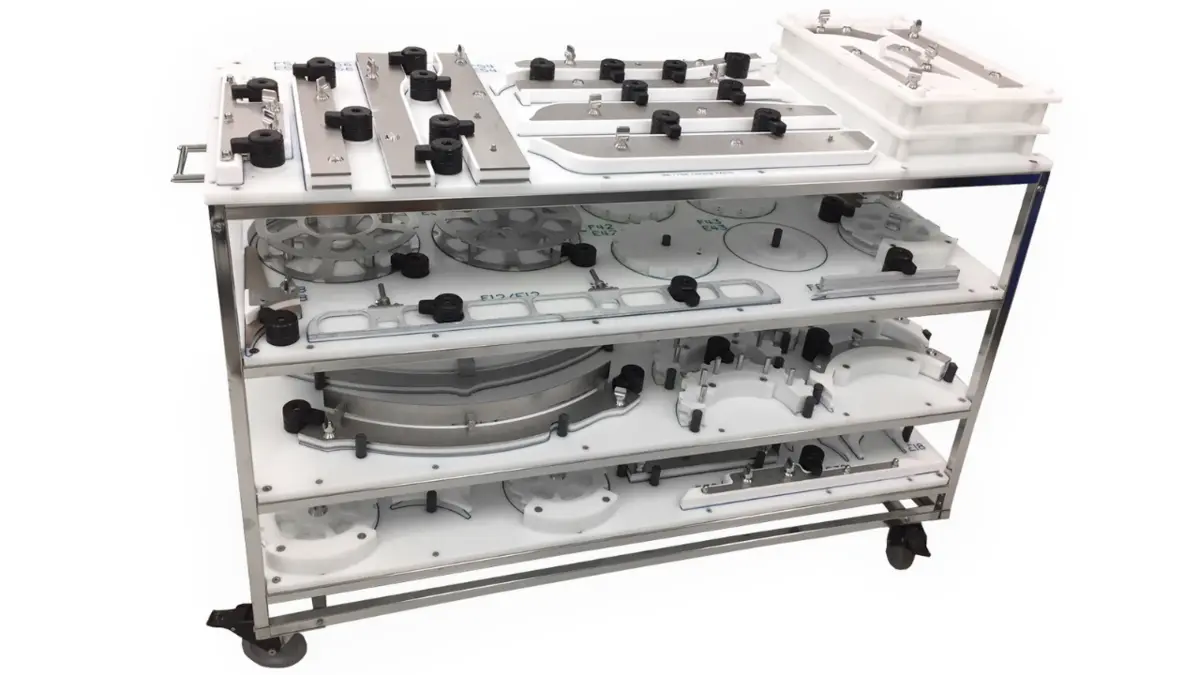
Source: septimatech
Step 3: Simplify the work that must remain internal
Once the team has externalized everything practical, reduce the time and variation in the remaining stopped-line work.
Useful improvement areas include:
- Quick-release clamps, hand knobs, locating pins, and repeatable stops where suitable for the equipment.
- Color coding or durable identification for format parts, provided markings remain legible and appropriate for the environment.
- A dedicated, complete change-part kit for each format family.
- Fixed storage locations, shadow boards, and a replenishment process for common tools.
- Clearly marked adjustment scales and documented target positions.
- Mechanical reference surfaces that reduce the need for repeated measuring.
- Recipes or stored settings that are controlled, reviewed, and linked to the correct pack format.
Do not assume a stored recipe is automatically correct. Recipe governance matters: changes should be authorized, the applicable version should be clear, and operators should know which settings are machine-controlled versus manually adjusted.
Control materials, recipes, and packaging line change parts
Mechanical work is only one part of a successful changeover. A food packaging line can be physically ready yet unable to run because the correct film, labels, or case blanks are missing—or because the materials present do not match the scheduled order.
A practical pre-change checklist should confirm:
- Next product and pack format.
- Approved film, lidding, label, carton, case, and pallet materials.
- Required printer information and code format.
- Correct machine recipe or setup sheet.
- Complete format-part kit and condition of critical wear components.
- Required inspection and verification steps.
- Staffing and role assignments.
- Any sanitation, allergen, or line-clearance requirements.
For change parts, distinguish between “available” and “ready.” A ready kit is clean as required by site procedures, complete, identified for the correct format, inspected for wear or damage, and placed where the crew can use it without searching. Missing one guide rail, forming shoulder, starwheel, or case-packer component can consume more downtime than a major adjustment.
Make first-good-pack release part of the standard work
Fast changeovers that create extended start-up scrap or uncertain product status are not true improvements. The release procedure should be designed into the changeover sequence rather than treated as a final interruption.
The exact checks depend on the product, packaging system, and site program, but they commonly address:
- Package appearance, seal integrity, registration, and dimensions where applicable.
- Correct label, artwork, date, lot, and traceability information.
- Correct product-to-package match.
- Weight-control and inspection-system setup as applicable.
- Correct case count, case label, and pallet configuration.
- Clearance or disposition of prior-run packaging and product.
Define who performs each verification, what constitutes acceptance, what record is required, and what happens when the first sample does not pass. If a check fails, record the failure mode separately from the mechanical change time. That distinction helps the team determine whether the recurring issue is setup accuracy, material quality, recipe control, operator training, or an equipment condition.
Measure repeatability, not just the best result
A single short changeover can be misleading. The useful result is a process that different trained crews can repeat across normal operating conditions.
Track at least:
- Total elapsed time from last good pack to first released good pack.
- Internal downtime by machine or line zone.
- External preparation completion before the stop.
- Start-up rejects and reason codes.
- Number of adjustments or trial cycles.
- Delays caused by missing materials, parts, information, maintenance, or quality release.
- Changeover duration by product and format pair.
Review the data by format family. A film-only change, a pack-size change, and a product-plus-case-format change should not be judged as though they carry the same work content. Over time, set realistic standard times for common transitions and investigate abnormal variation.
A practical improvement sequence
Start with a line and a format change that occur often enough to matter. Avoid trying to redesign every changeover at once.
- Measure the current method several times.
- Build the detailed task map with the people who perform the work.
- Separate internal and external activities.
- Implement low-cost preparation improvements first: staging, kits, documents, tools, and role assignments.
- Standardize settings, reference marks, recipes, and the first-good-pack sequence.
- Correct recurring equipment issues, worn parts, and difficult adjustments.
- Test the revised procedure under normal production conditions.
- Update work instructions and train all affected crews.
- Continue measuring repeatability and start-up quality.
Some upgrades may justify capital spending, such as tool-less adjustments, servo-driven format changes, automatic recipe positioning, or improved guide systems. Evaluate these only after the process is stable enough to show where mechanical automation will remove a real recurring loss. Better organization and standardized work often reveal substantial opportunity before new equipment is needed.
Common mistakes when reducing changeover downtime
The most damaging mistake is treating every minute as equally removable. Required checks, line clearance, and validated sanitation controls exist for a reason. Improvement should reduce waiting, searching, duplicated handling, and uncertain setup—not bypass controls.
Other common mistakes include:
- Measuring only machine stoppage rather than first released good pack.
- Creating a checklist that is too vague to guide a new crew member.
- Staging materials without clear identification or segregation.
- Leaving recipe changes uncontrolled or undocumented.
- Improving one machine while ignoring the rest of the line.
- Setting an unrealistic universal target for very different change types.
- Failing to maintain change parts, then blaming operators for slow setup.
- Announcing a faster method without updating training, work instructions, and performance measures.
A disciplined food packaging changeover procedure turns a disruptive event into managed work. The line may still need time to change formats, materials, and settings, but the time becomes visible, planned, and repeatable. That is the practical route to changeover downtime reduction: prepare before the stop, standardize the stopped-line work, verify the new pack correctly, and improve the causes of variation one task at a time.
References
- Packaging Line Maintenance in Food Manufacturing: Reducing Changeover Time and Failures. (n.d.). https://oxmaint.com/industries/food-manufacturing/packaging-line-maintenance-food-manufacturing-changeover
- From Hours to Minutes: Mastering SMED for Quick Changeover and Maximum OEE in Your Packaging Line - Litian. (n.d.). https://litianpacking.com/2025/10/27/mastering-smed-for-quick-changeover-and-maximum-oee-in-your-packaging-line
- How to Reduce Changeover Times in Packaging Production. (n.d.). https://shoplogix.com/blog/changeover-times-in-packaging-production
- Changeover Time Reduction: SMED Guide with Formulas and Strategies | User Solutions. (n.d.). https://usersolutions.com/blog/changeover-time-reduction
- How To Reduce Changeover Time in Your Packaging Line. (n.d.). https://robopacusa.com/how-to-reduce-changeover-time-in-your-packaging-line
- Packaging Line Maintenance: Reduce Changeover Time & Improve OEE. (n.d.). https://oxmaint.com/industries/food-manufacturing/packaging-line-maintenance-reducing-changeover-time-oee
- SMED Lean: Reduce Changeovers and Improve OEE. (n.d.). https://explitia.com/blog/smed-lean-reduce-changeovers-and-improve-oee
- How to Improve Changeover Efficiency in Packaging…. (n.d.). https://www.septimatech.com/blog/how-to-improve-changeover-efficiency-in-packaging-operations